PURE HELL: Before Punk Had A Name
Punk rock loves to tell a certain story about itself. It usually starts in New York or London, with familiar names, familiar faces, and a look that feels easy to recognize. It is clean, simple, and easy to repeat. But that version of the story leaves people out.
Pure Hell stands out because they contradict the standard punk story by embodying what punk meant before it became a recognizable movement. Their story is essential because they showed punk's core — being loud, chaotic, fast, and unapologetic — before it was labeled or commercialized.
Formed in Philadelphia in the early 1970s, Pure Hell existed before punk had even fully formed as a category. While other bands were still circling the sound, they were already pushing it forward. Their music was aggressive, stripped-down, and fast, in a way that felt ahead of its time. Songs like “Noise Addiction” and “These Boots Are Made for Walking” did not just hint at punk energy; they embodied it. Raw guitars, urgent vocals, and a sense that everything could fall apart at any second. That was the point. Punk was never meant to feel controlled. It was meant to feel like something breaking, and Pure Hell understood that instinctively.
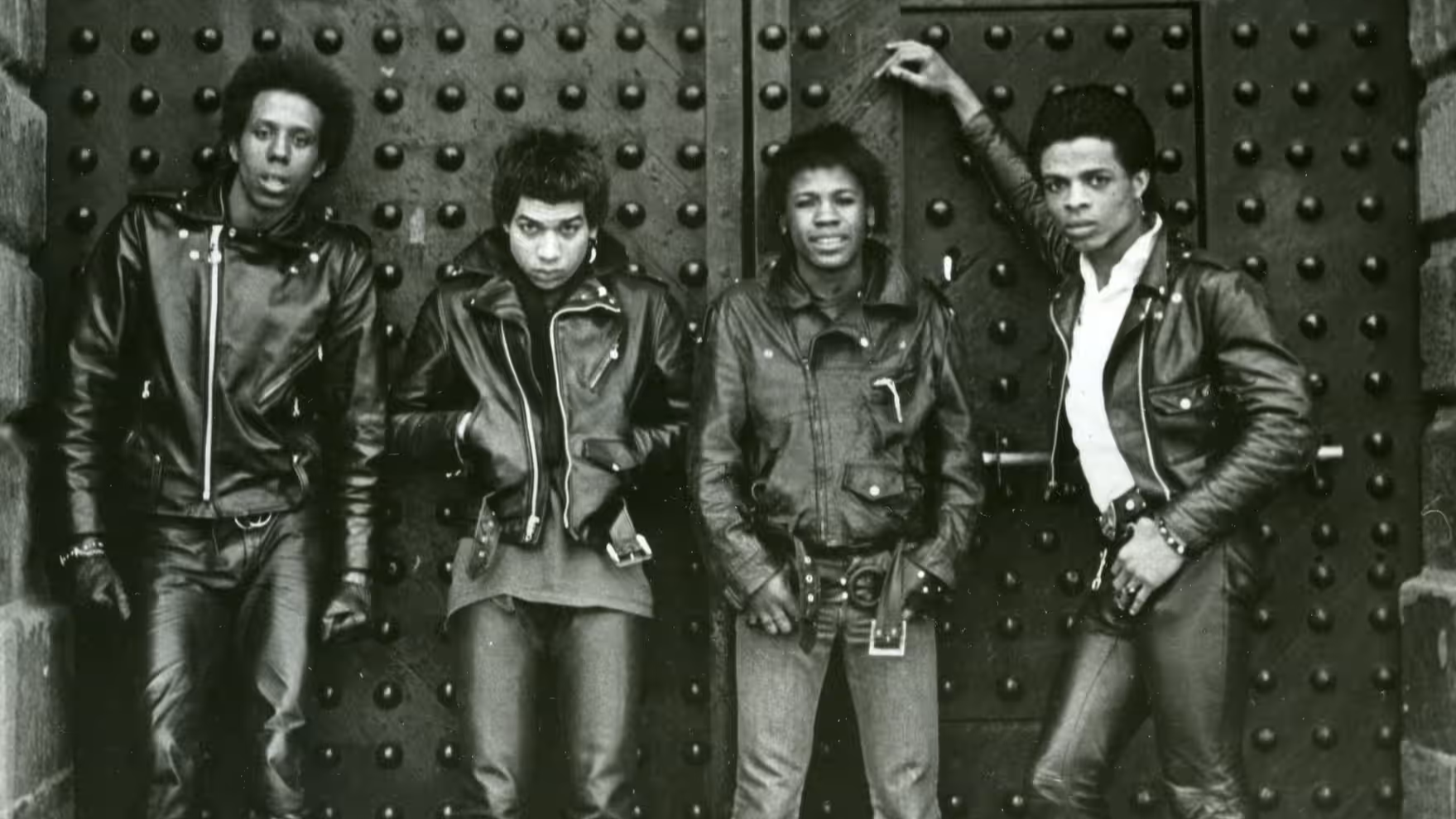
Their story is important because Pure Hell defied expectations of what punk looked like. As one of the first all-Black punk bands in an era when punk was largely seen as white, their image and music challenged the scene's boundaries. Yet they were marginalized by the very scene they influenced.
Pure Hell was present alongside bands like the New York Dolls, sharing venues and energy with key punk figures. Yet they received less recognition, not because of a lack of fit, but because they challenged predetermined notions of punk's identity.
Pure Hell was not just ahead musically. They were ahead culturally. Their look mattered just as much as their sound. Big hair, leather, glam influences, and raw street energy combined to blur the line between punk and glam rock. That aesthetic would later become a defining part of the genre. Their performances were unpredictable, high-energy, and impossible to ignore. That sense of chaos and presence would echo through later punk movements, hardcore scenes, and even. Part of what makes their story so powerful is how close it came to being lost. Limited recordings and little exposure kept their influence quiet at the time, even as documentation became crucial. Without the same support or visibility as their peers, Pure Hell spent years existing more as a rumor than as a recognized force. than a recognized force.
But with time, their story resurfaced. Reissues, documentaries, and renewed interest in punk’s history brought them back into the conversation. People realized something important: Pure Hell didn’t just belong in punk; they helped define it.
Their story is especially relevant today because, as cultural narratives are reexamined, the question of inclusion becomes central. Recognizing Pure Hell's role challenges the narrow idea of punk's origins and broadens the understanding of who contributed to the movement, about pushing against expectations and creating space where there was none. Pure Hell did not just participate in that idea. They lived it.
If you care about Anyone interested in music history and cultural origins, you must consider bands like Pure Hell. Their overlooked influence underscores the importance of recognizing contributors outside the mainstream, whose impact can be seen in later artists and sounds. Your reintroduction. Go back and listen to “Noise Addiction.” Sit with the chaos, the urgency, and the rawness. Because Pure Hell was not just ahead of its time. They helped define it.