EMBRACING OUR OTHERNESS
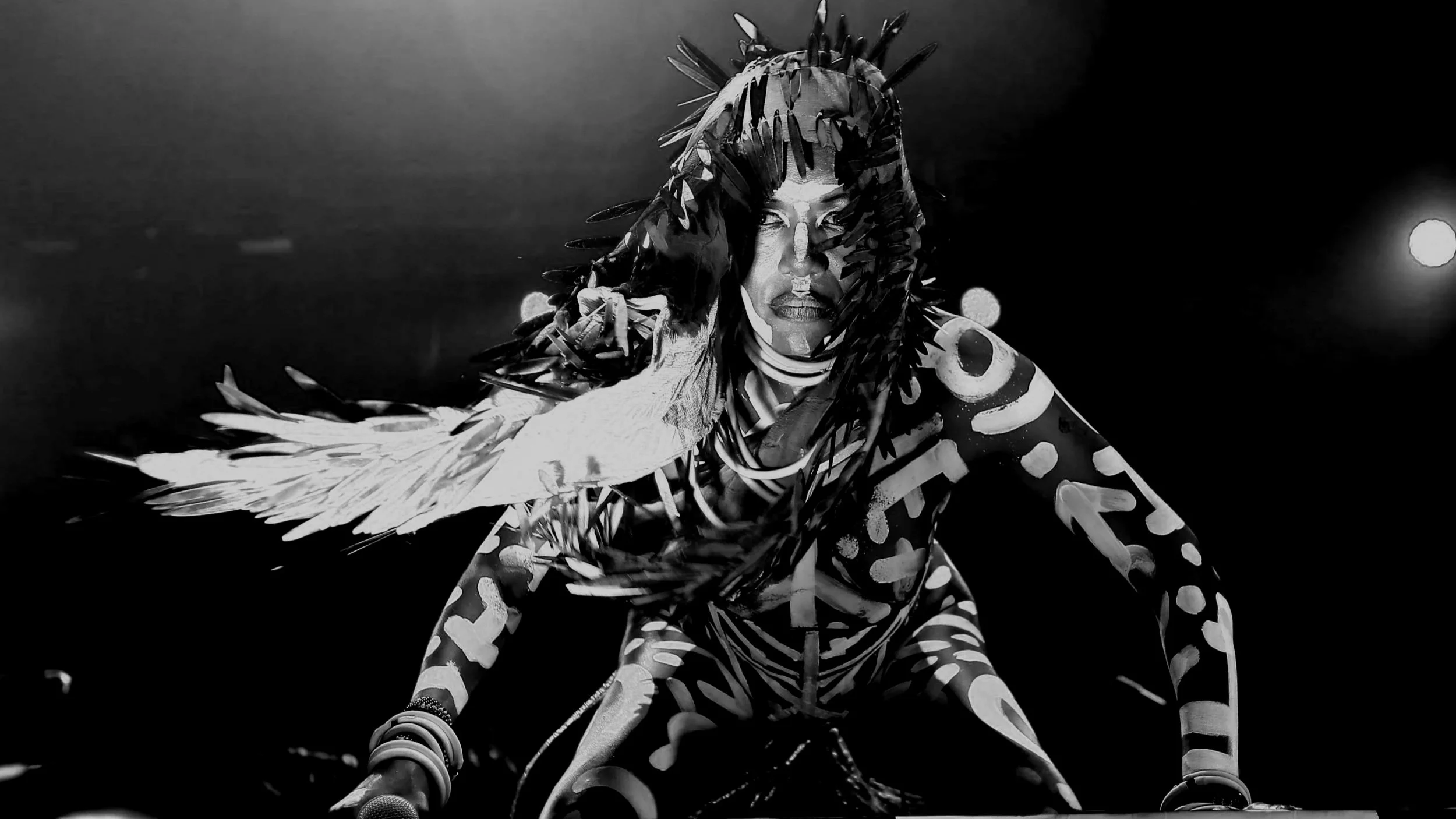
For a long time, “different” was a warning label. Too loud. Too foreign. Too queer. Too experimental. Too much for polite society and commercial success.
Today, those same traits are currency, defining a new era where creativity and success are driven by originality and otherness. This shift reveals the main thesis: what once marked people as outsiders is now the most valuable asset in culture and innovation.
We’re living in a moment where the margins are no longer asking for entry — they’re redesigning the blueprint. Global youth culture has caught on to something quietly radical: otherness isn’t a weakness to correct. It’s a strength to sharpen.
Welcome to the era where weird isn’t risky. It’s required.
From Outsider to Architect
The most influential creatives shaping culture right now aren’t fitting into existing boxes — they’re melting them down.
Tyler, the Creator, was once dismissed as unserious, offensive, and unmarketable. Instead of sanding himself down, he doubled down on emotional honesty, eccentric aesthetics, and creative autonomy. The result? A career that proves originality ages better than one that seeks approval.
Or look at Shygirl, who treats genre, gender, and expectation as raw material rather than rules. Blending club music, fashion, and queer futurism, her work refuses easy classification. She doesn’t explain herself or smooth out the edges — she builds worlds and lets audiences meet her there. In a culture obsessed with clarity, her ambiguity is power.
Weird doesn’t alienate anymore. It signals intention.
Multicultural by Default
For multicultural youth, “weird” isn’t a trend — it’s a lived reality.
Diasporic creatives grow up remixing language, tradition, and aesthetics. One foot in inherited culture, one foot in global internet chaos. That hybridity — once seen as confusion — is now the dominant creative language of our time.
Rina Sawayama fuses Japanese heritage, British pop, metal, and queer identity into music that refuses a singular definition. Rosalía bends flamenco through experimental production and fashion, sparking debate while expanding the cultural conversation around tradition and ownership.
In Nigeria, artists like Cruel Santino blur alt-rap, punk, and Afro-influences into something unexportable and deeply personal — global without being diluted. In South Africa, FKA Mash and Dope Saint Jude use sound and style to confront gender, power, and post-colonial identity.
These creatives aren’t simplifying culture to make it easier to understand. They’re trusting audiences to evolve.
Art Without Translation
The art world is experiencing a similar shift — away from polish and toward perspective.
Artists like Toyin Ojih Odutola challenge Western portraiture through richly layered narratives of Black identity, power, and imagined histories. Cauleen Smith uses film, installation, and ritual to explore Afro-futurism and collective memory — work that doesn’t ask to be consumed quickly but to be felt deeply.
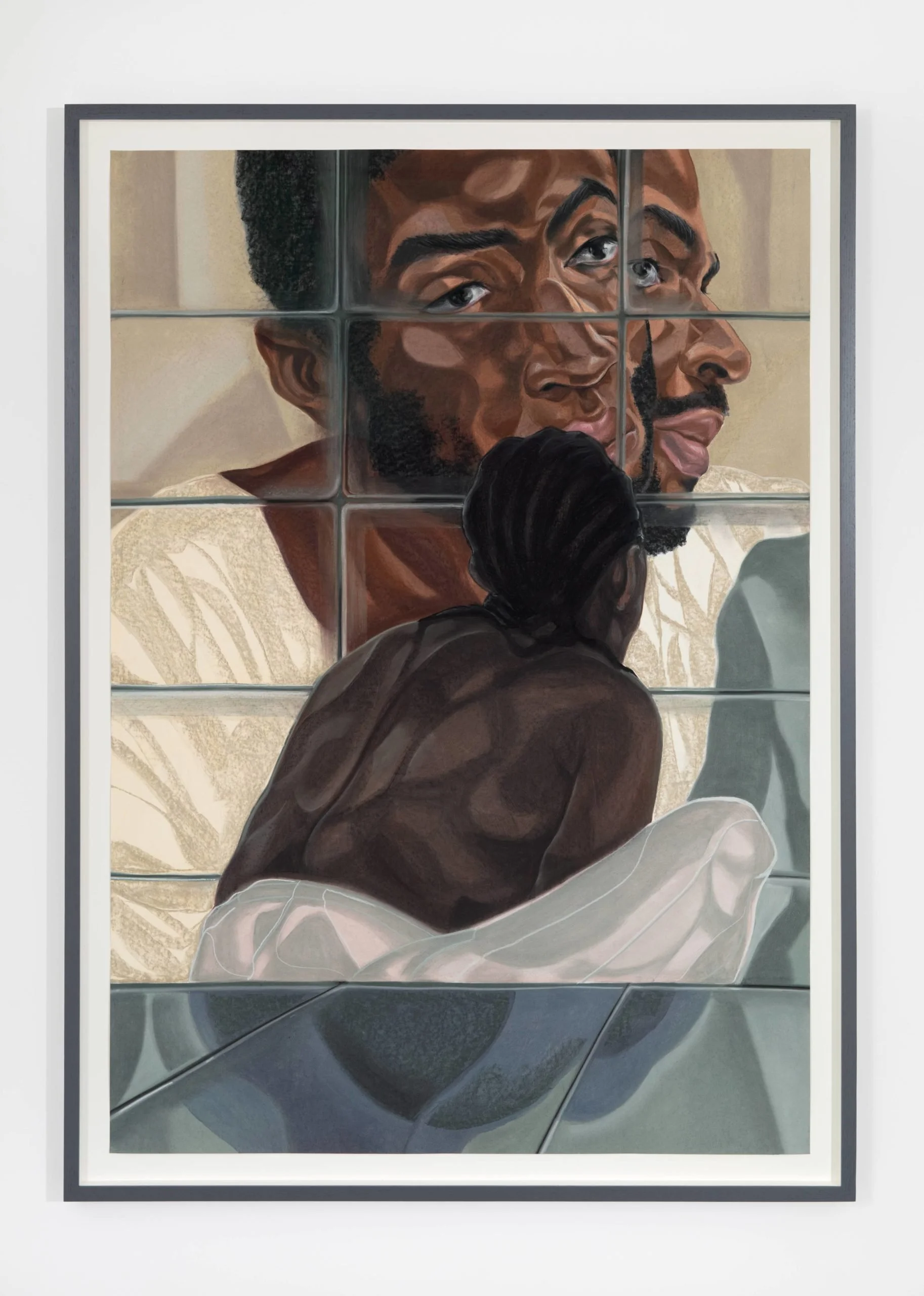
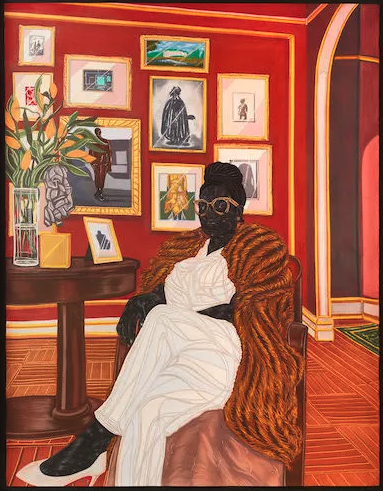
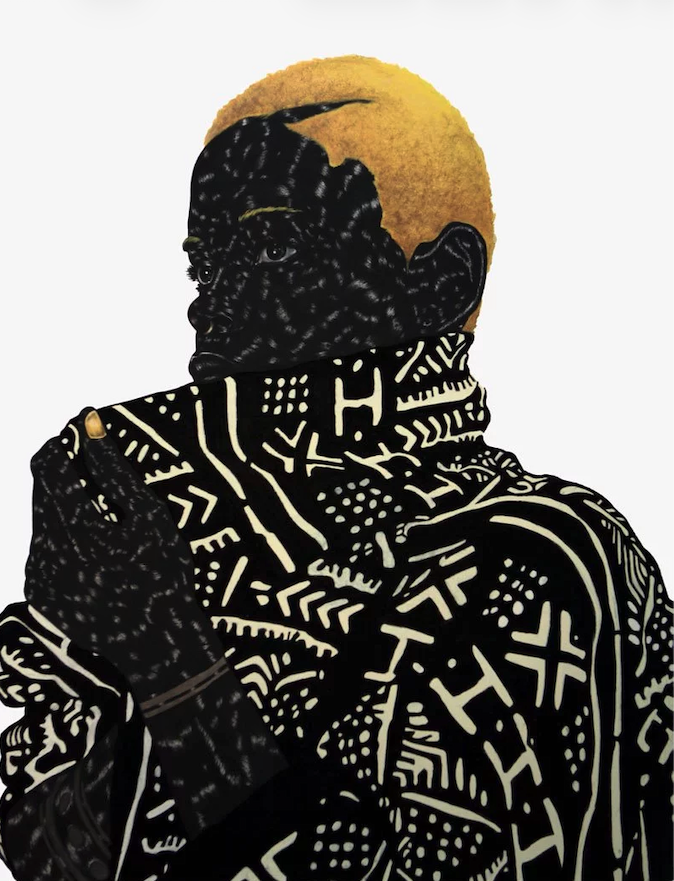

Artwork by Toyin Ojih Odutola
On the street and online, collectives across São Paulo, Lagos, and Seoul are collapsing the boundaries between fine art, fashion, and activism. Murals become manifestos. Installations become meeting points. Art becomes infrastructure.
Weird, in this context, isn’t aesthetic — it’s methodology.
Fashion as Refusal
Fashion has always belonged to the outsiders first.
Designers like Telfar built global influence by rejecting exclusivity altogether. “Not for you — for everyone” wasn’t just branding; it was a structural critique of luxury itself.
In London, Martine Rose draws on subcultures, immigrant communities, and masculinity in flux to create collections that feel intentionally off-center — clothes that don’t chase trends; they expose them. In Mexico City and Nairobi, emerging designers are using upcycling, DIY silhouettes, and local craftsmanship to push back against fast fashion’s erasure of labor and culture.
The weirdest move in fashion right now? Designing with ethics, humor, and identity intact.
The Internet Made the Weird Kids Networked
If the internet once rewarded conformity, youth culture has hacked it.
Weird kids no longer need mainstream permission — they need community. From niche Discord servers to hyper-specific TikTok subcultures, creativity now travels sideways before it travels up.
Artists like PinkPantheress, Yeule, and Ecco2k found momentum by leaning into softness, glitch, or emotional opacity — qualities algorithms struggle to quantify but that audiences deeply crave.
The algorithm may still flatten, but the community keeps expanding the frame.
Weird as Resistance
Let’s be honest: embracing otherness is still risky — just not in the same way.
For queer, trans, disabled, immigrant, and marginalized creatives, weirdness remains a political stance. Choosing visibility, joy, play, and experimentation over conformity in systems is an act of resistance.
Artists like Arca don’t just challenge sound — they challenge how bodies, gender, and identity are allowed to exist. Their work isn’t designed to be comfortable. It’s designed to be liberating.
And liberation is rarely neat.
Why the Future Belongs to the Weird
The challenges ahead — climate collapse, cultural erasure, political rigidity — won’t be solved by people who think like the systems that caused them. They’ll be solved by outsiders. By hybrid thinkers. By people fluent in contradiction.
Weird creatives imagine new futures because they were never fully served by the old ones. They question defaults. Remix tradition. Build parallel systems when the main one fails. The future doesn’t belong to the most polished. It belongs to the most original. So if you’ve ever been told you’re too much, too different, too hard to categorize — good.
That’s not a flaw. That’s your advantage.
The future is weird. Step into it. The world is ready.