WHO SHOT YOU: REFRAMING THE LENS
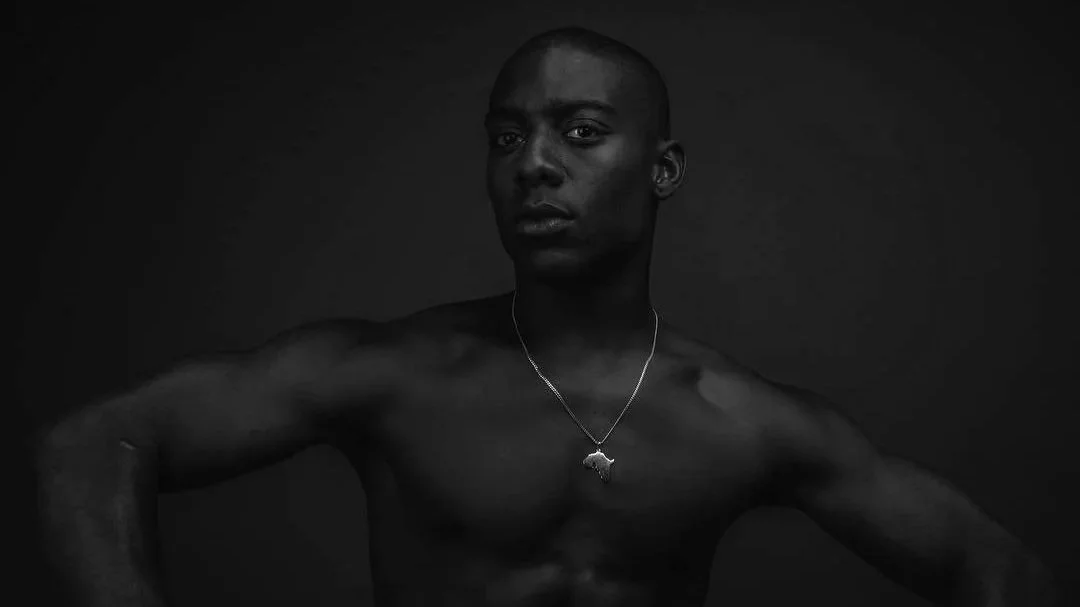
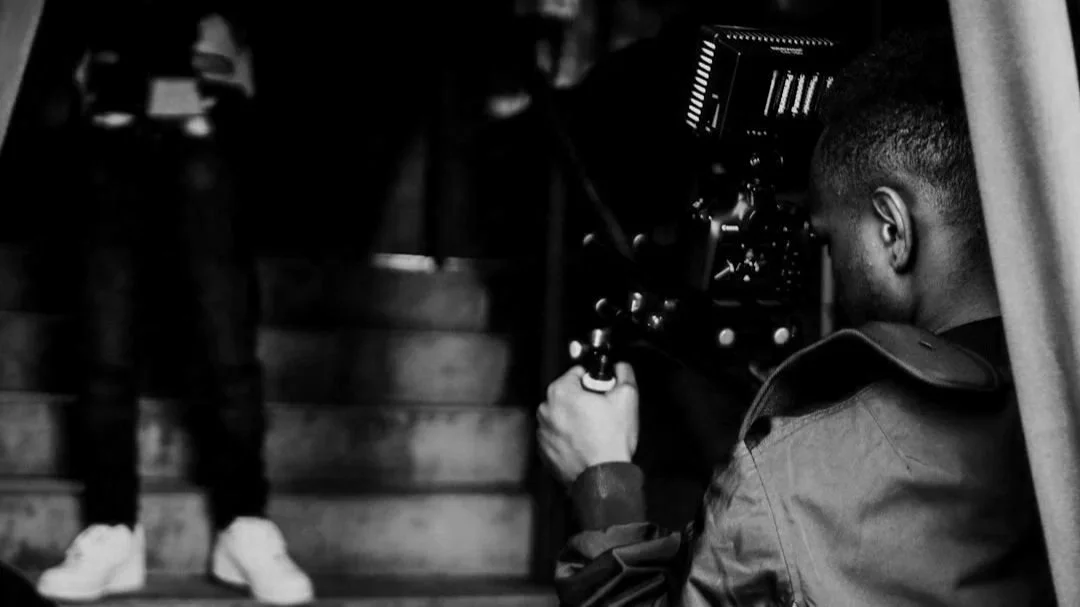
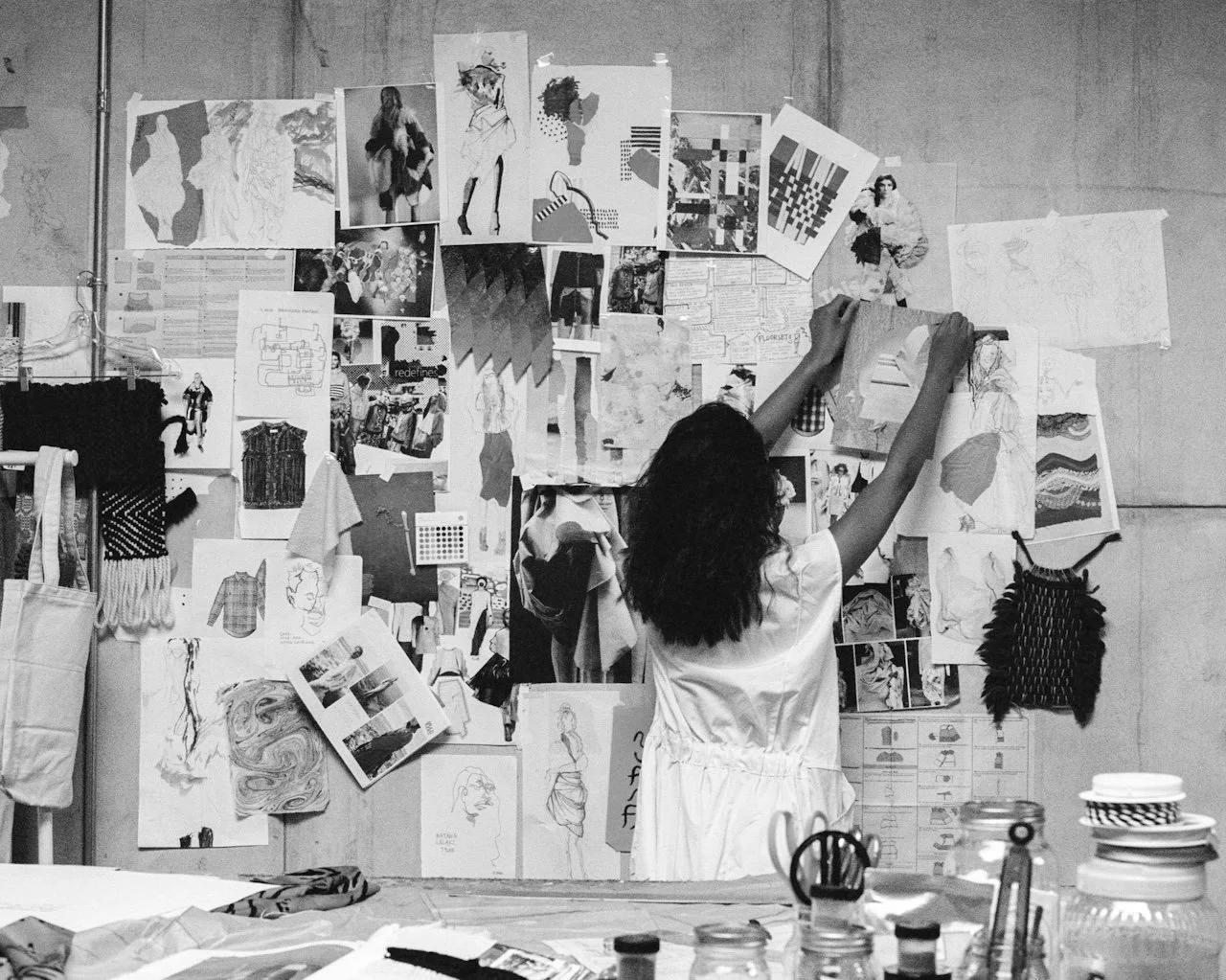
Photography is more than documentation. At its best, it’s authorship—a way to choose who gets seen, how, and which stories endure.
A new generation of Black photographers is stepping into that role with confidence. They aren’t simply capturing culture; they’re shaping it. From fashion editorials to community portraits, these creatives are using the camera as both a mirror and megaphone, reflecting identity while expanding the visual language of Black life.
To set the stage for this new visual movement, here are five Black photographers you should have on your radar right now.
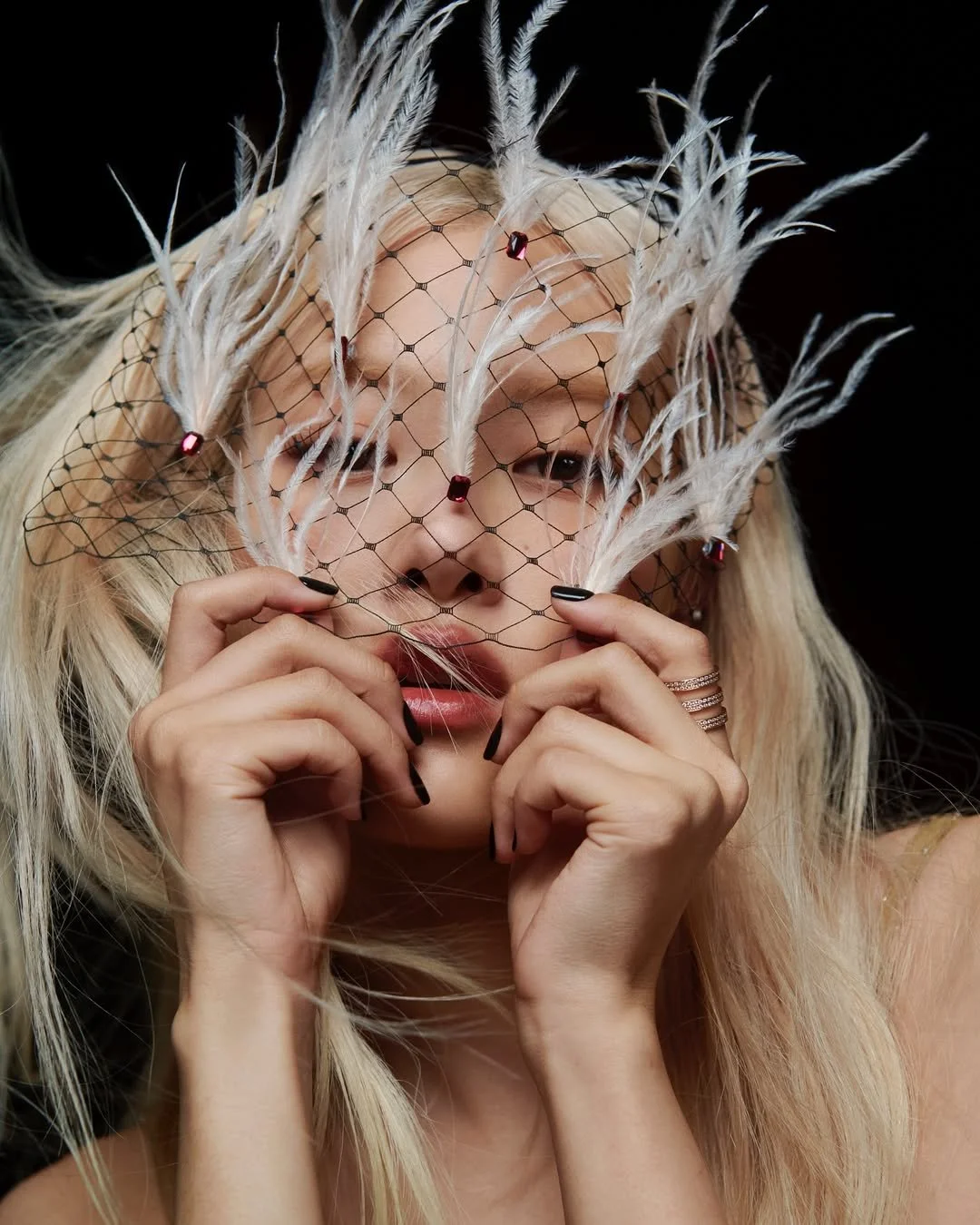
Joshua Kissi
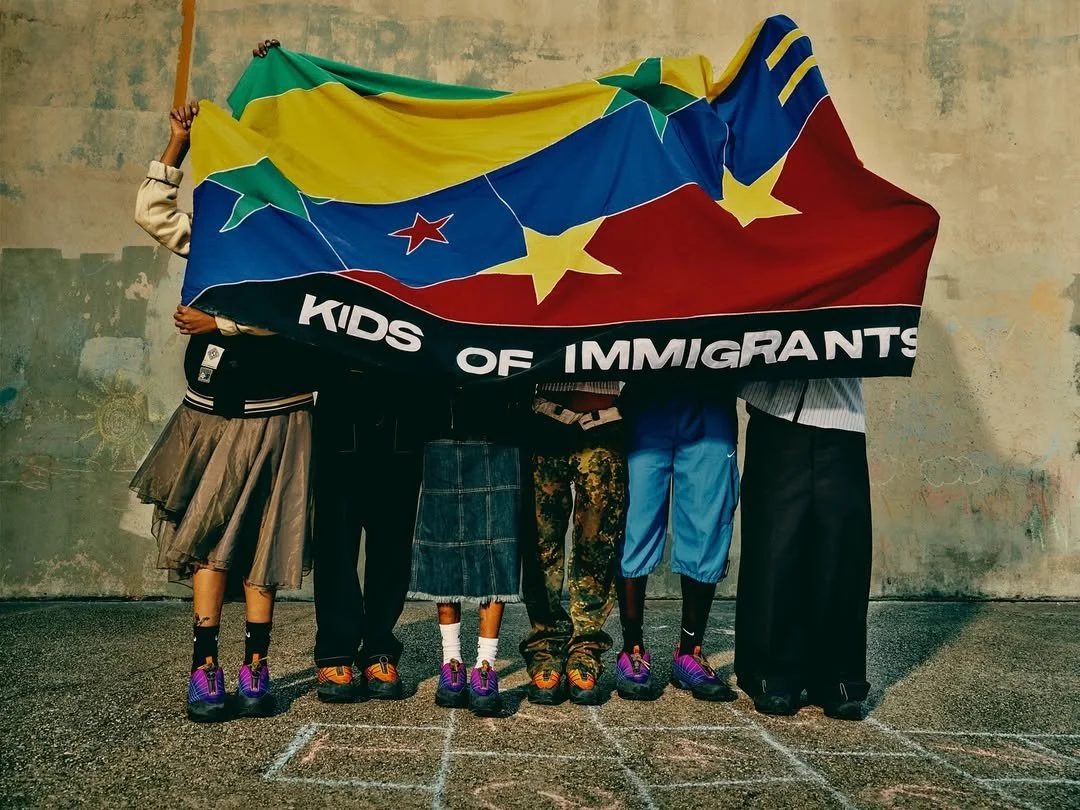
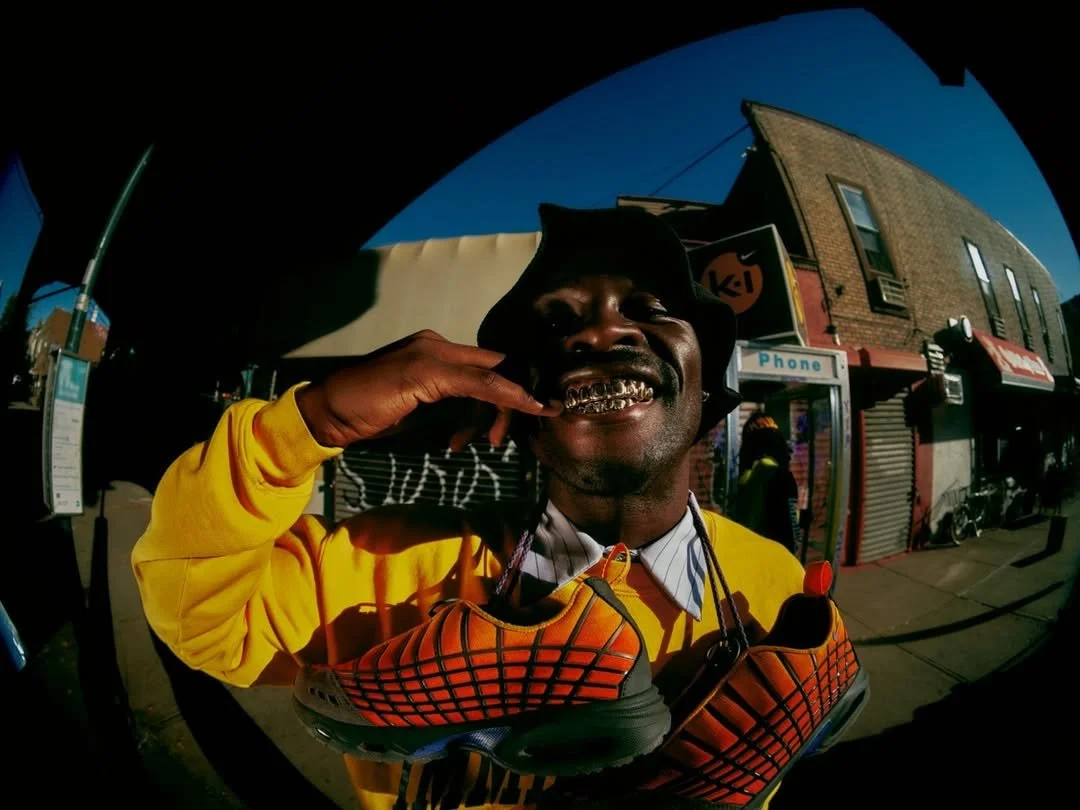
Ghanaian-American photographer Joshua Kissi has quietly become one of the most influential visual storytellers of his generation. He first gained attention as co-founder of the creative platform Street Etiquette. Kissi’s photography has since evolved into something much deeper — a visual archive of modern Black identity.
His images often explore the intersection of heritage and contemporary life. A portrait might feature traditional Ghanaian textiles layered against minimalist modern backdrops. This collapses the distance between past and present. The result feels intentional and timeless.
Kissi’s work has appeared in campaigns and editorials for brands like Nike and Apple. But the heart of his practice remains cultural storytelling. His images remind viewers that style, heritage, and self-expression are inseparable.
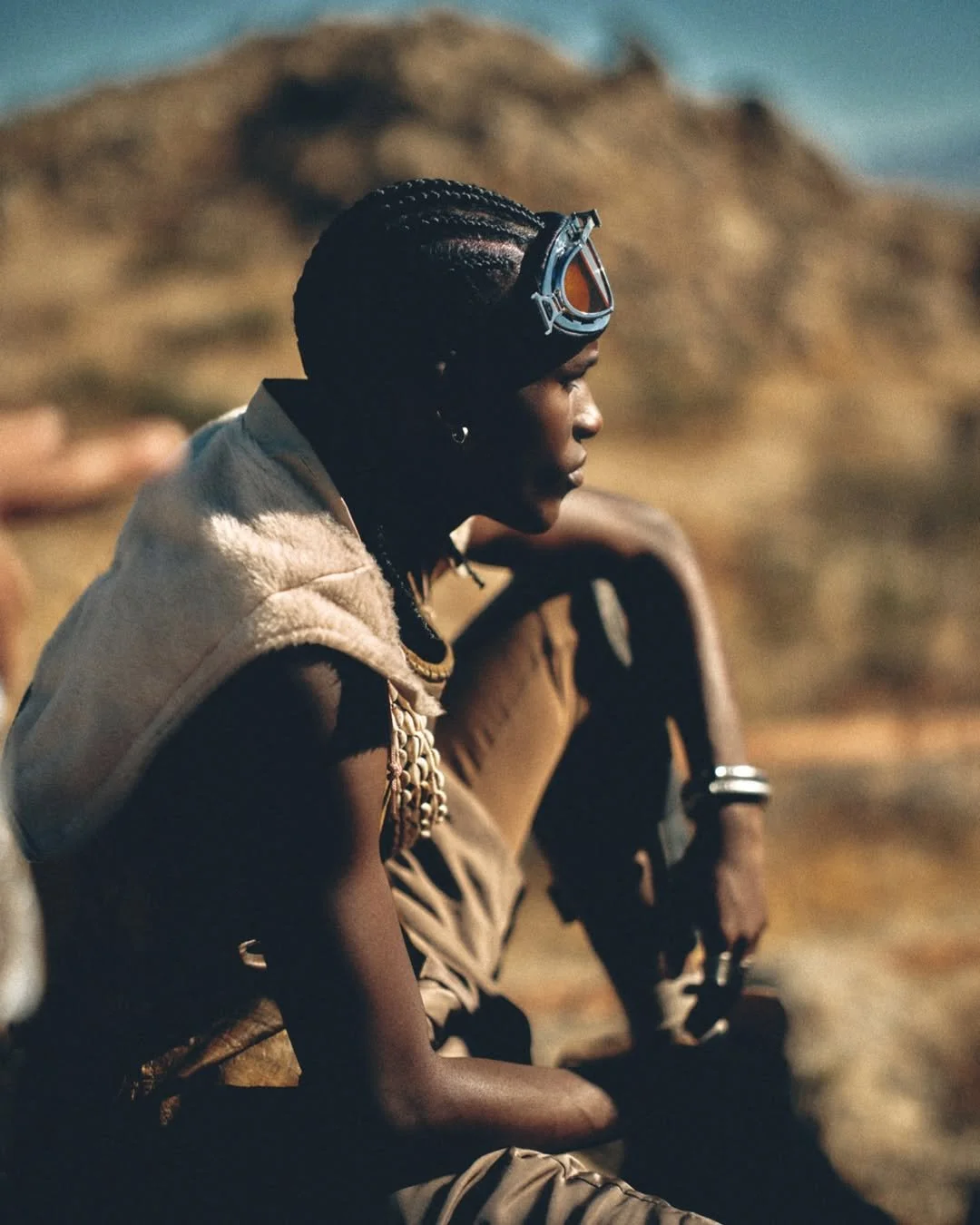
Source: IG @joshuakissi
Campbell Addy
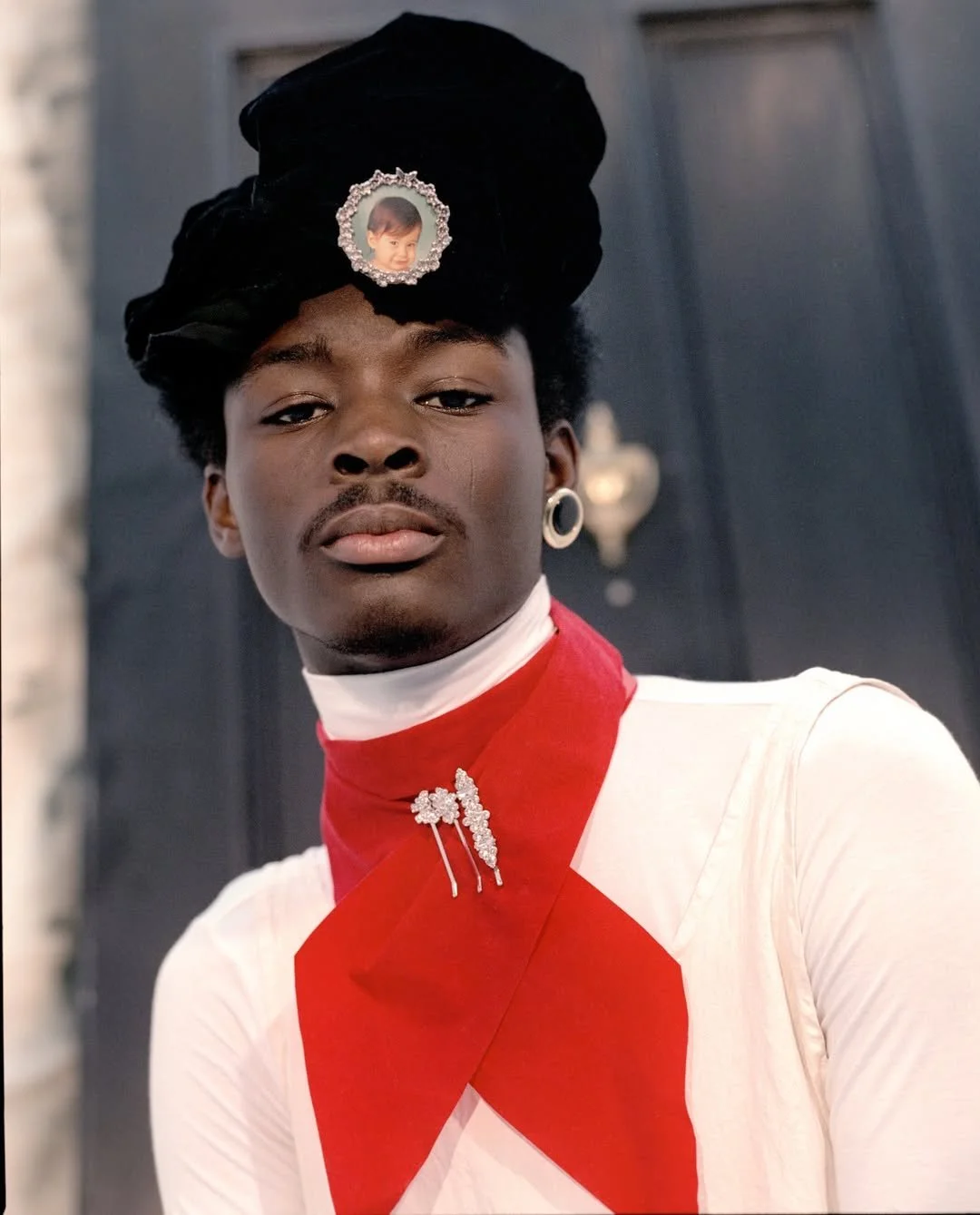
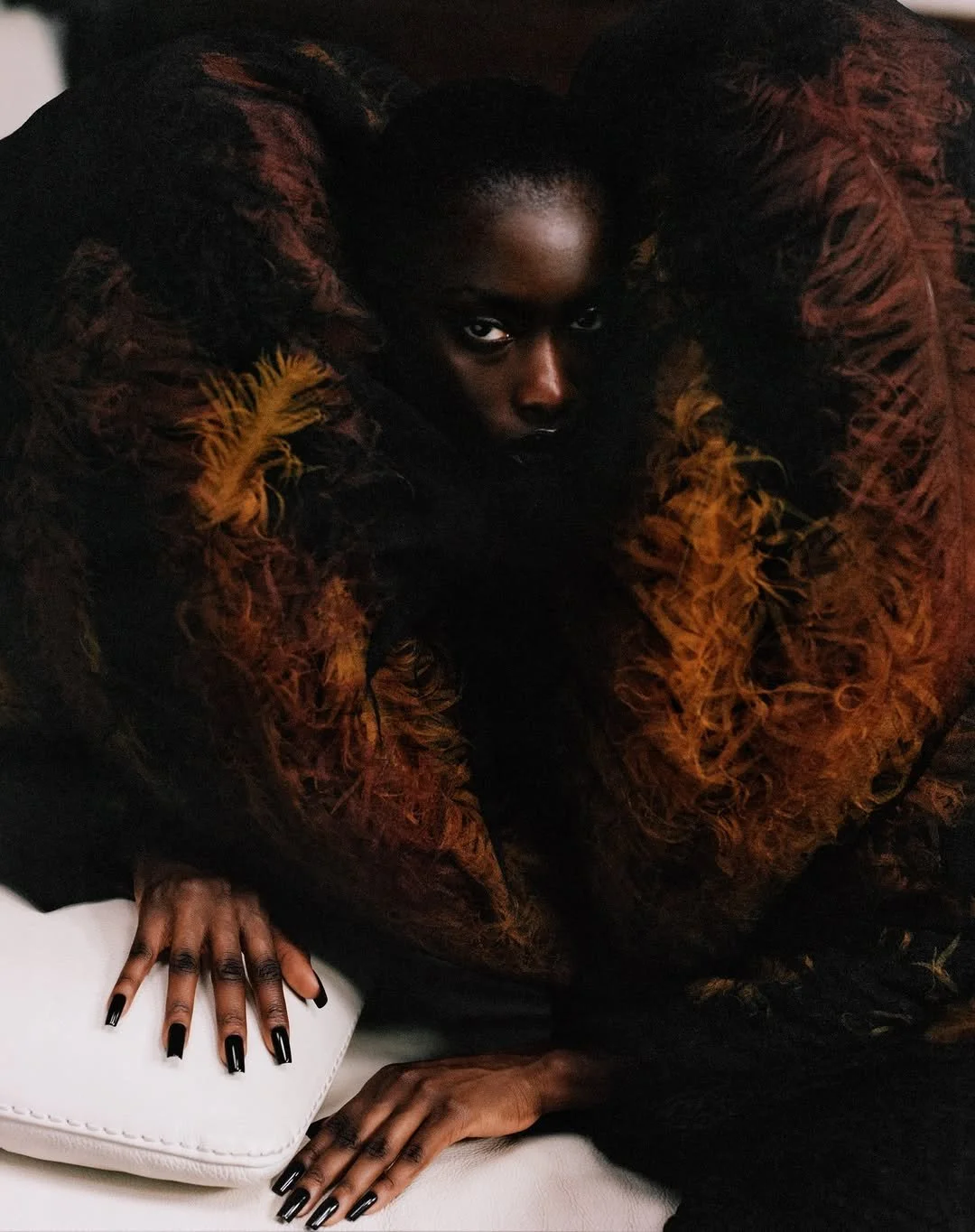
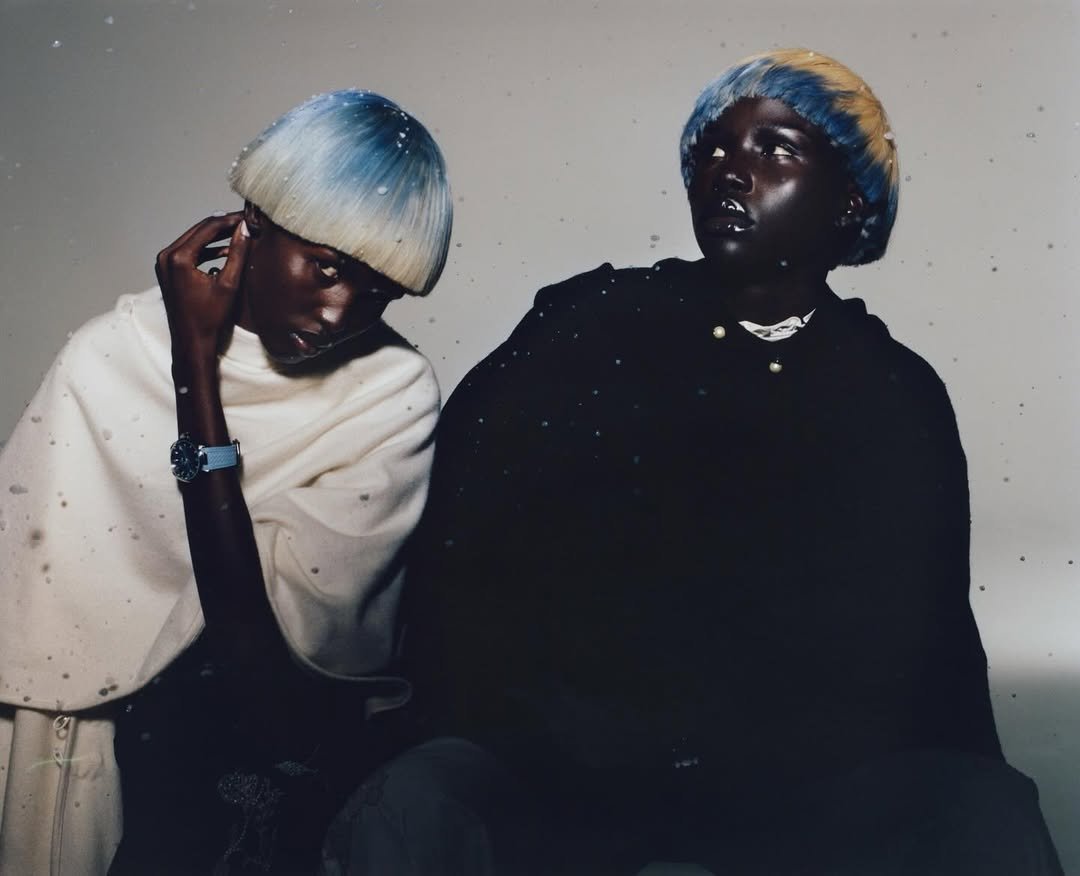
Few photographers are reshaping fashion photography like Campbell Addy. Born in London to Ghanaian parents, Addy built his reputation by challenging narrow beauty standards. These standards have been historically embedded in the fashion industry.
His photographs feel both regal and intimate. Rich color palettes, sculptural lighting, and carefully composed portraits elevate everyday people into powerful subjects. The real power of his work lies in intention. Addy’s camera consistently centers bodies, identities, and communities that fashion once ignored.
Beyond his editorial work with magazines like i-D, Dazed, and Vogue, Addy founded Nii Journal. This platform is dedicated to celebrating diversity in art and culture. For him, photography isn’t just about the image; it’s about building space for new voices.
Source: IG @campbelladdy
Renell Medrano
New York photographer Renell Medrano is known for images that feel both spontaneous and cinematic. Her work sits comfortably between fashion, music, and documentary photography. She captures artists and communities with a natural intimacy.
Medrano’s portraits of musicians like Kendrick Lamar and SZA helped solidify her place in contemporary culture, but her work never feels like traditional celebrity photography. There’s a looseness to it — a feeling that the moment is unfolding rather than being staged.
She often photographs friends, family, and neighborhood scenes with the same care she puts into high-profile shoots. That consistency gives her work a grounded authenticity that audiences immediately recognize.
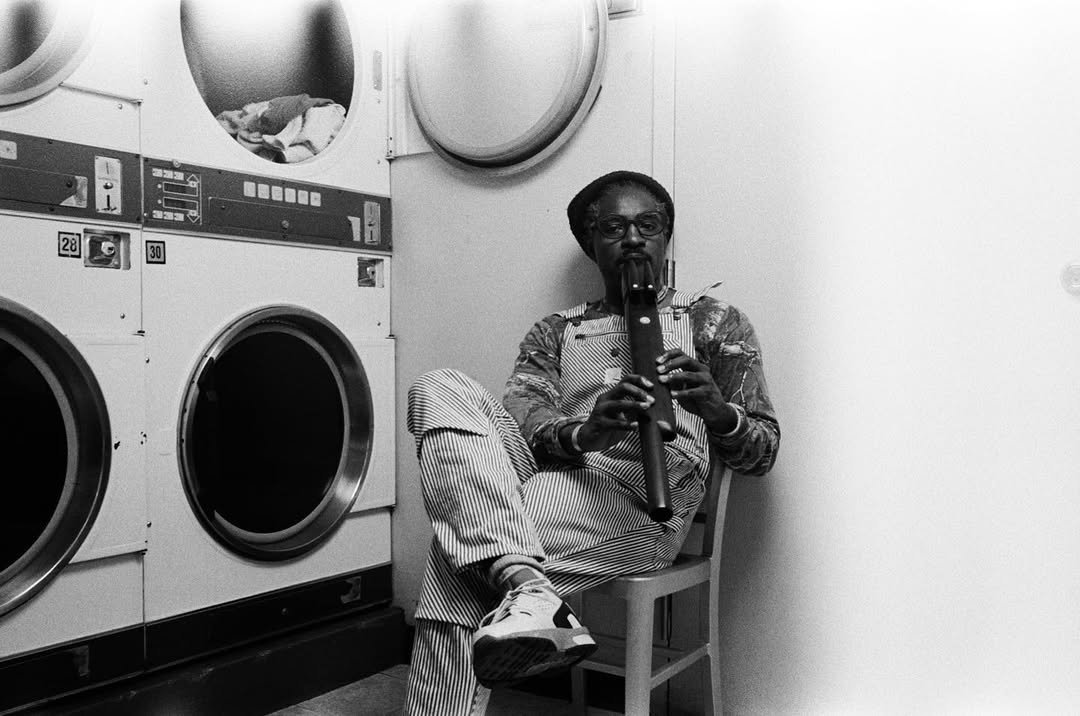
Source: @renellmedrano
Quil Lemons
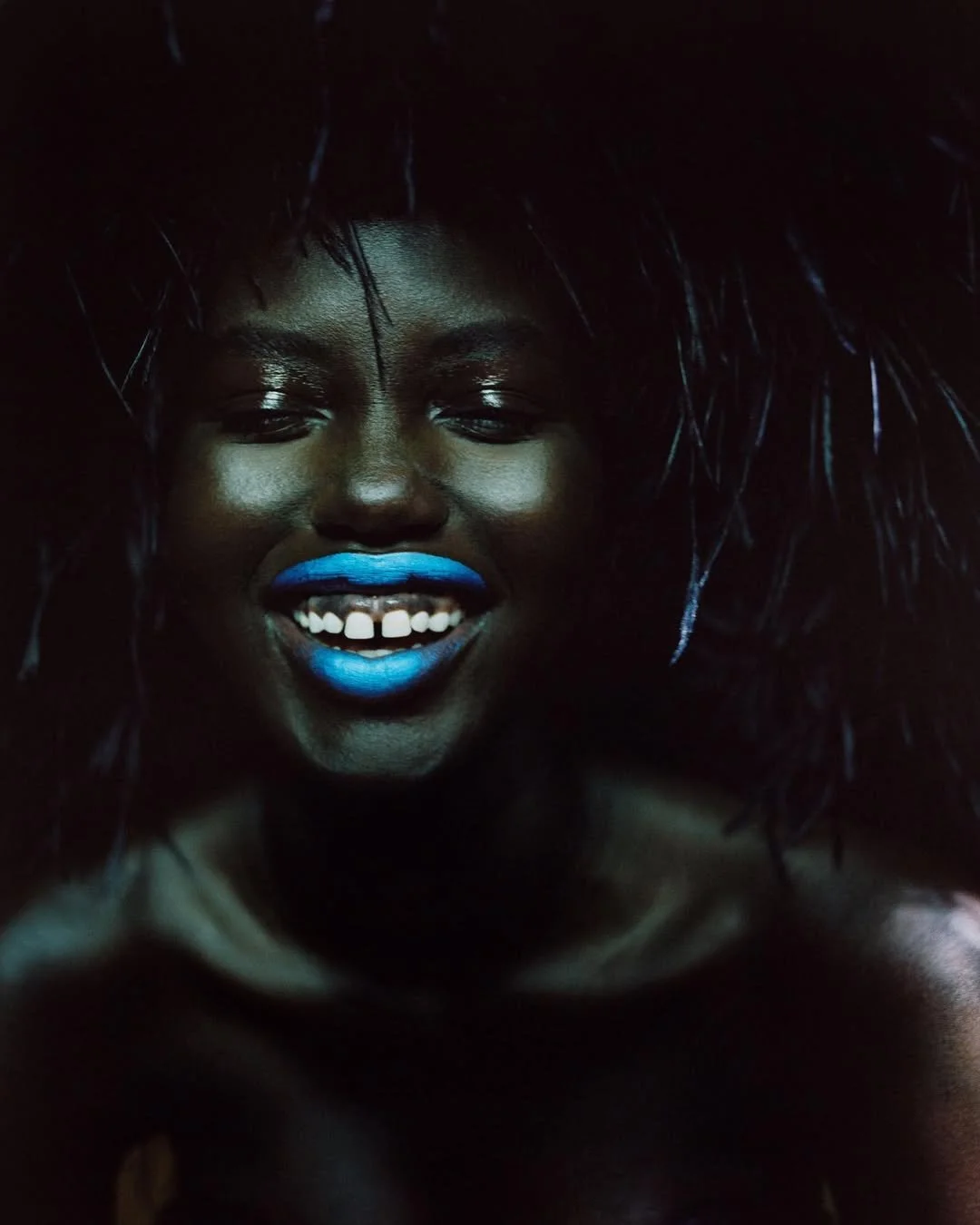
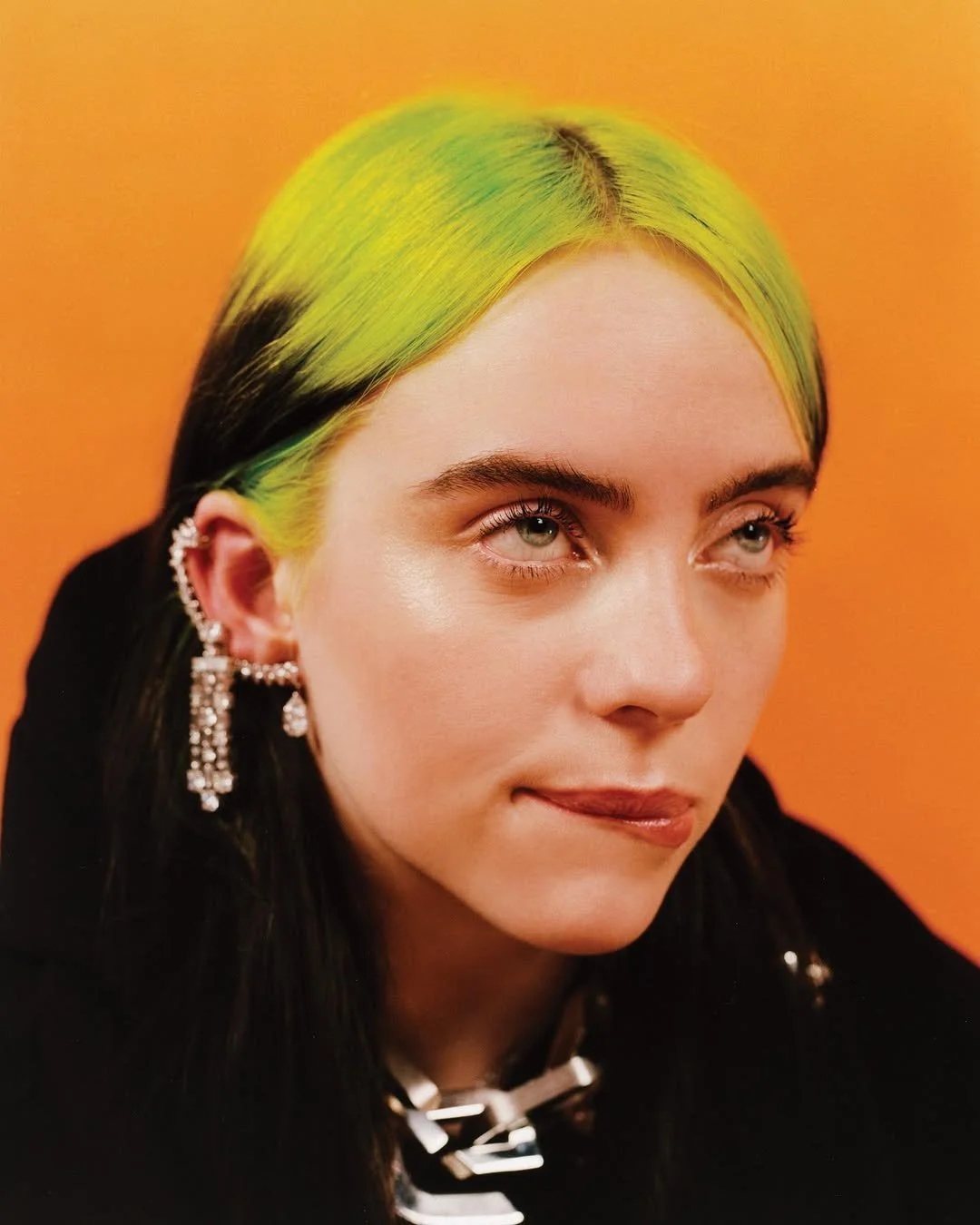
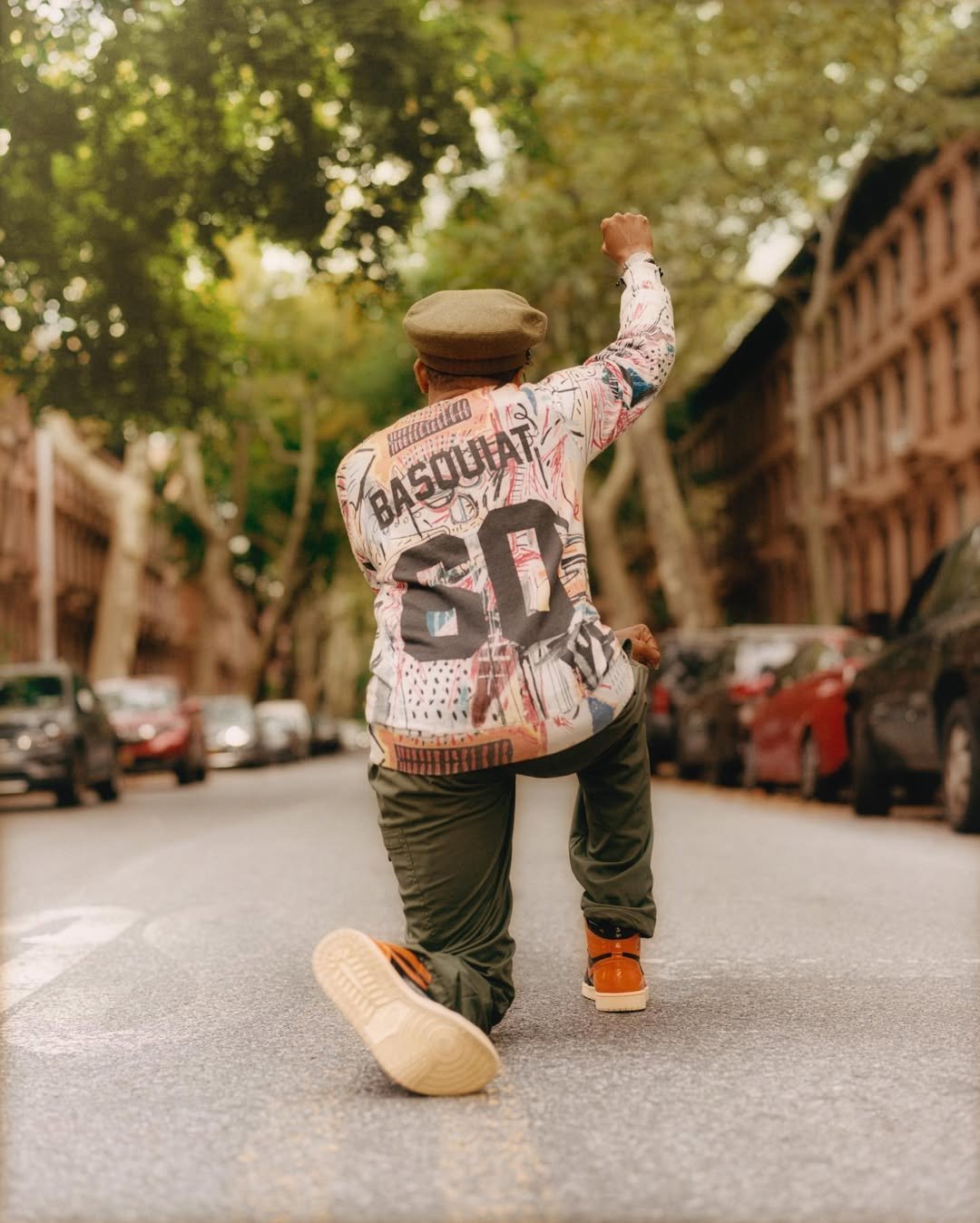
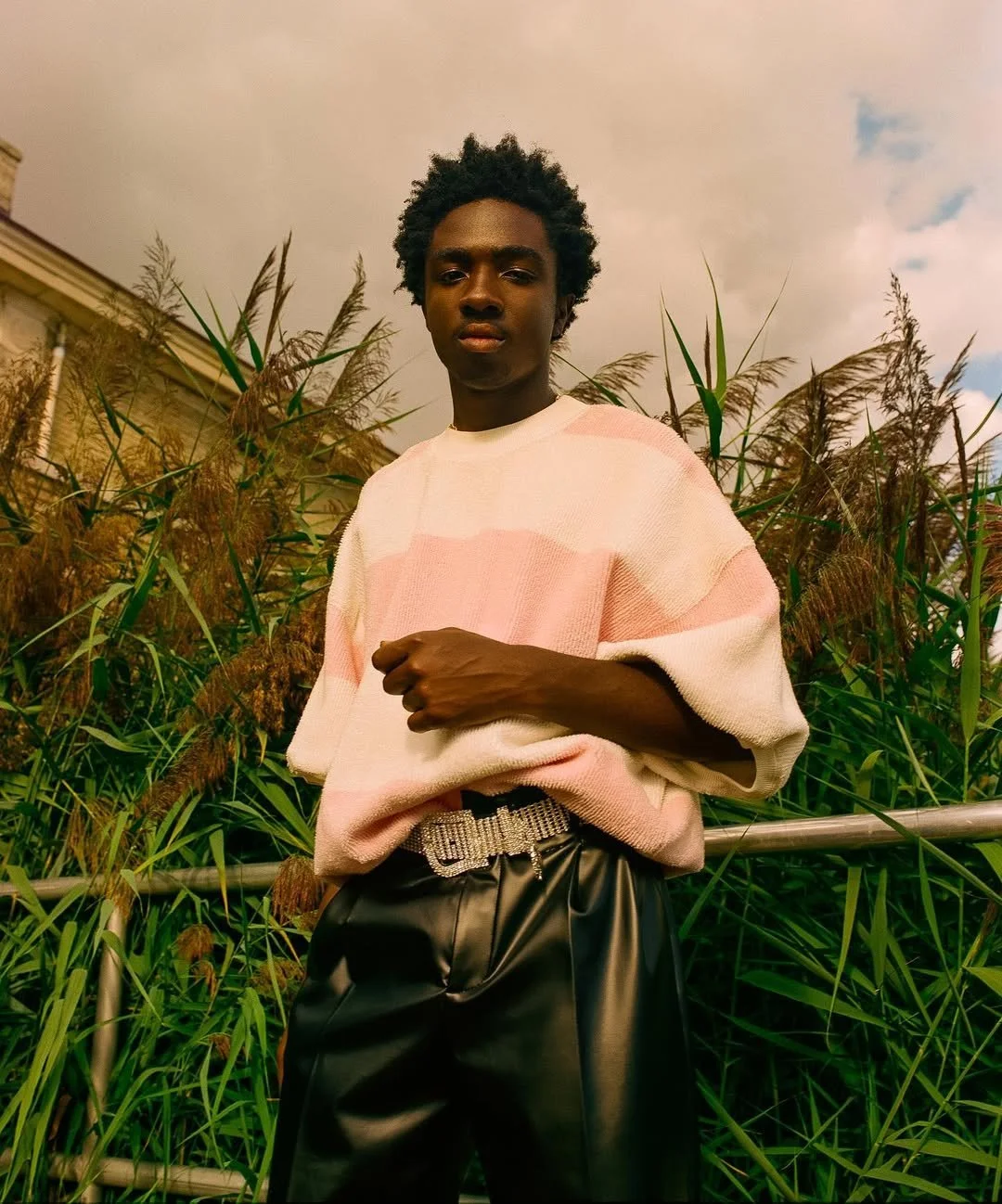
At 19, Quil Lemons shot Billie Eilish for Vanity Fair. He has since become a leading young voice in fashion and editorial photography.
Lemons’ work merges playful color, surreal style, and sharp commentary. His images celebrate Black and queer identity with joy and intent.
Series like Glitterboy explore Black masculinity through glitter-covered portraits. These images challenge rigid ideas of gender expression while embracing vulnerability and beauty. Lemons’ photographs often feel like visual manifestos: bold, celebratory, and unapologetically expressive.
Source: IG @quillemons
Flo Ngala
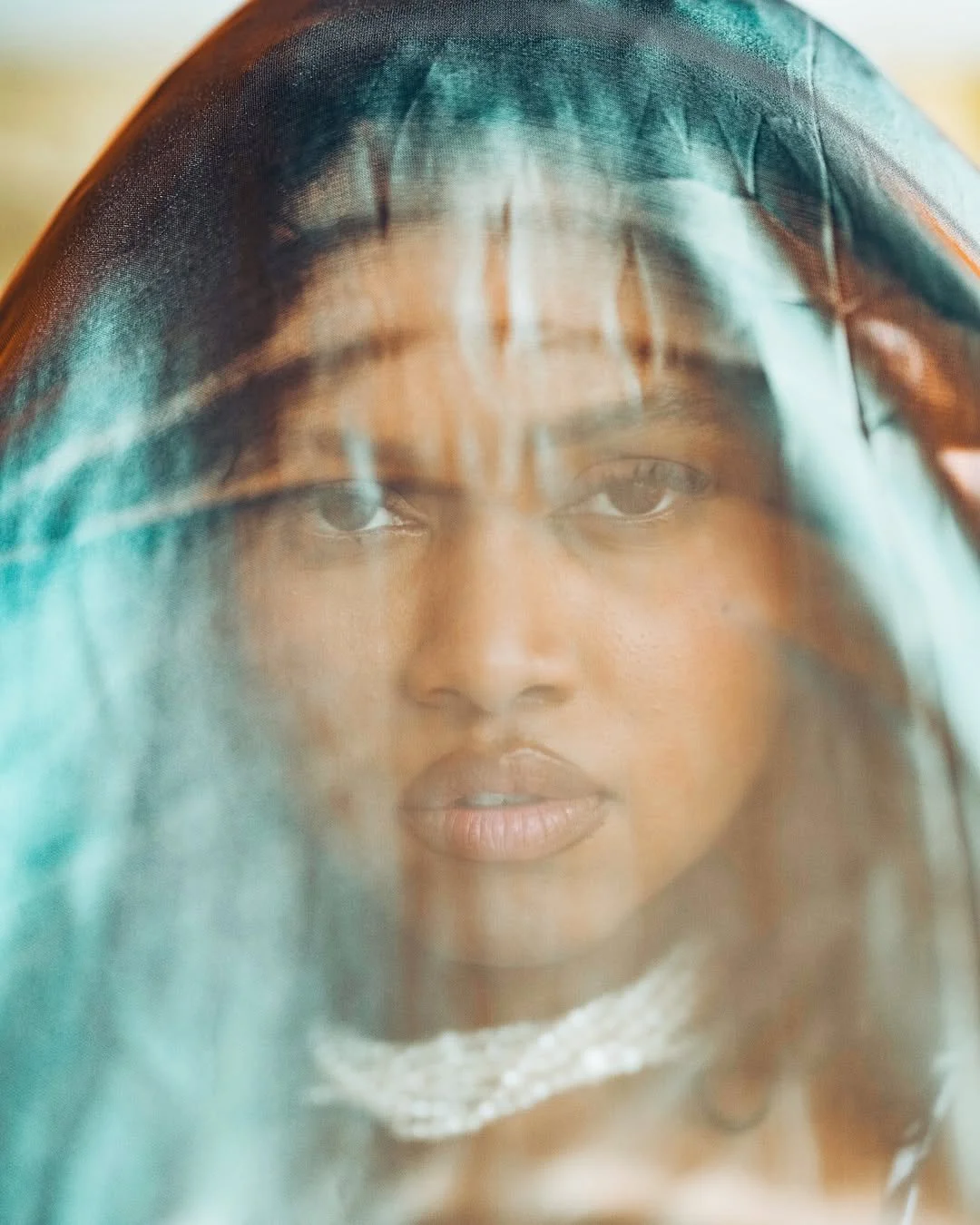
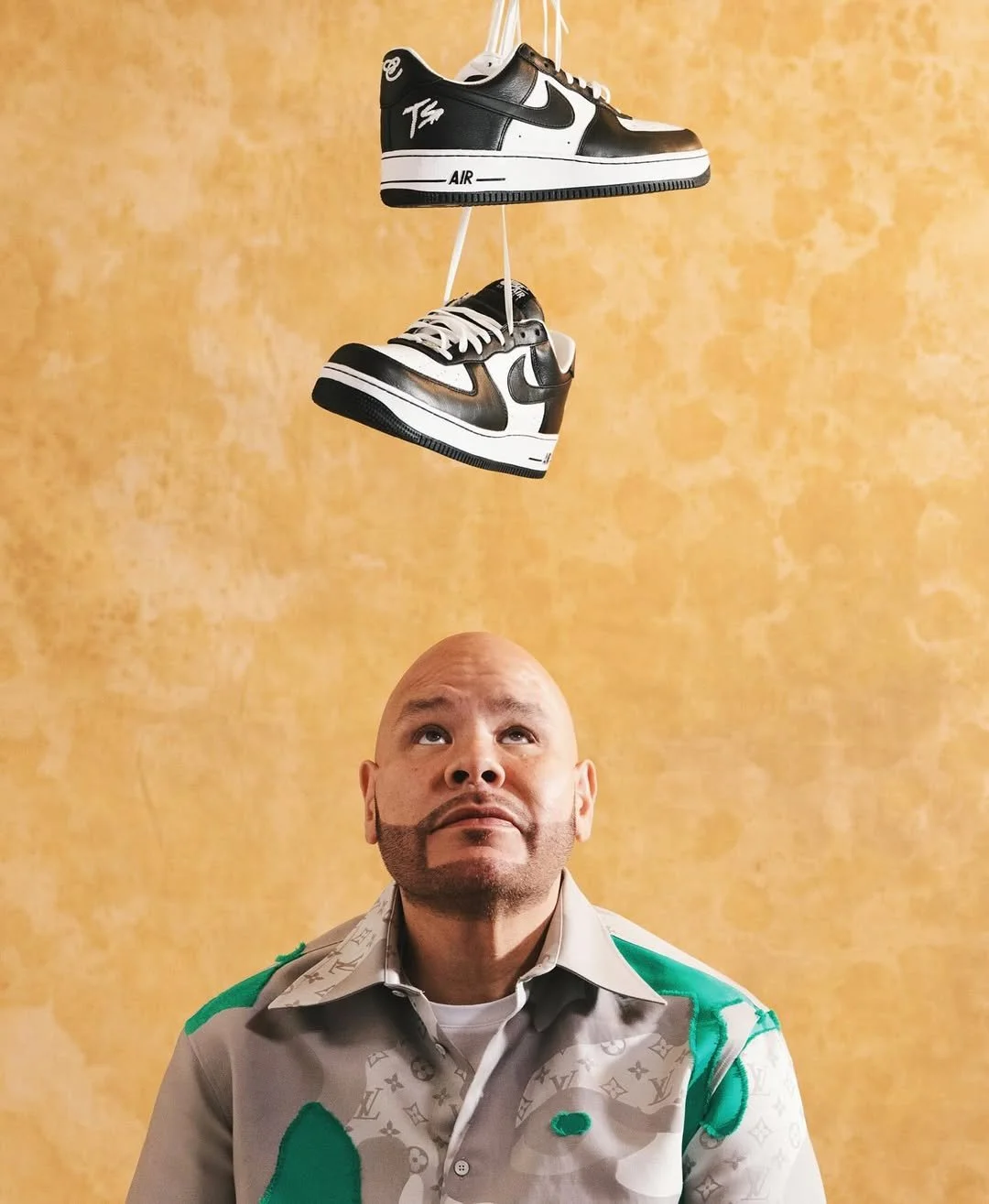
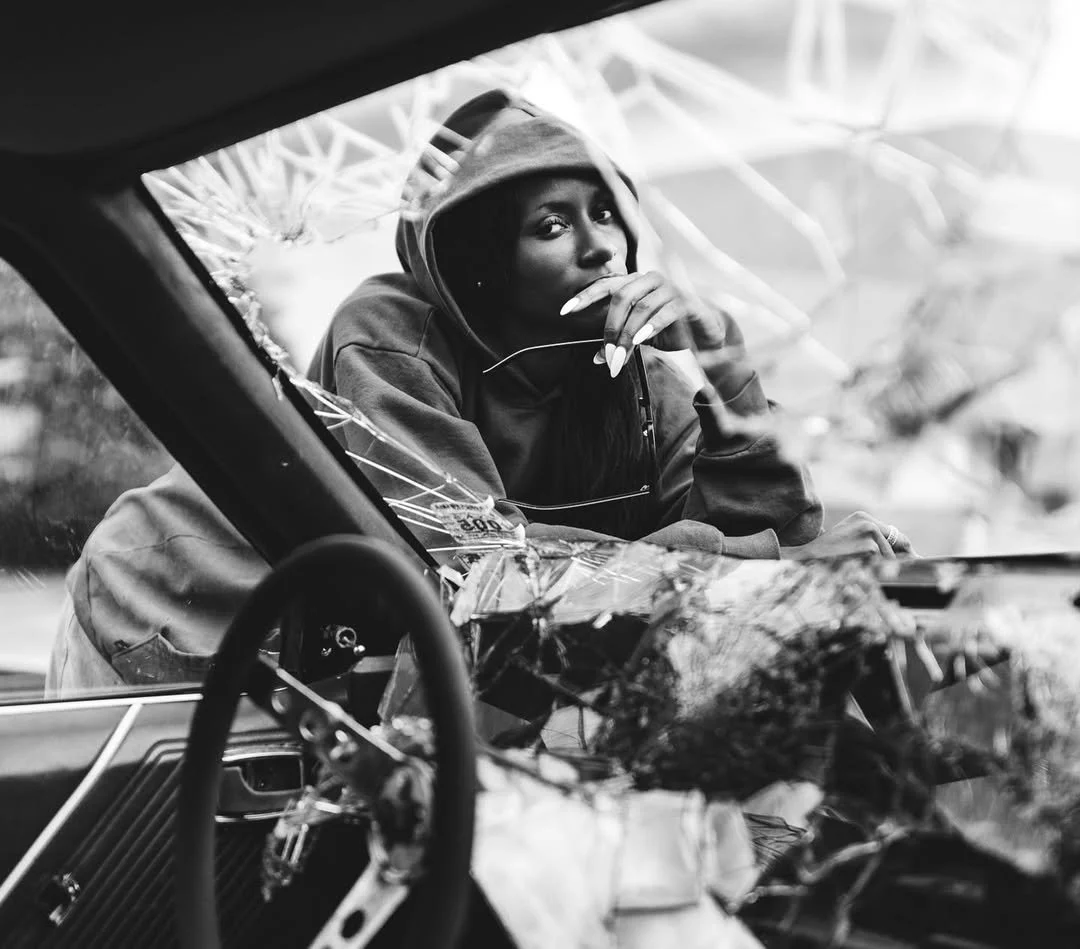
Brooklyn-based photographer Flo Ngala built her reputation by documenting moments the mainstream media often misses. Her camera often lands backstage at concerts or inside creative studios. She also captures everyday spaces where culture is actually made.
Ngala has photographed figures like J. Cole, Cardi B, and Spike Lee. What sets her work apart is its energy. Her images feel immediate and alive. They capture laughter, movement, and human connection in a way that makes viewers feel like they were in the room.
She’s also become known for photographing Black joy. She portrays it not as a spectacle, but as a normal and powerful presence.
Source: IG @flongala
A New Visual Era
What links these photographers is perspective, not just talent.
They are part of a generation that understands photography as authorship. Instead of asking permission to enter the conversation, they’re creating new visual languages. These languages center culture, community, and identity on their own terms.
The result is photography that feels expansive rather than explanatory. These are images that don’t just show Black life, but celebrate its complexity, imagination, and beauty.
If this generation prevails, photography will better reflect the world we live in.