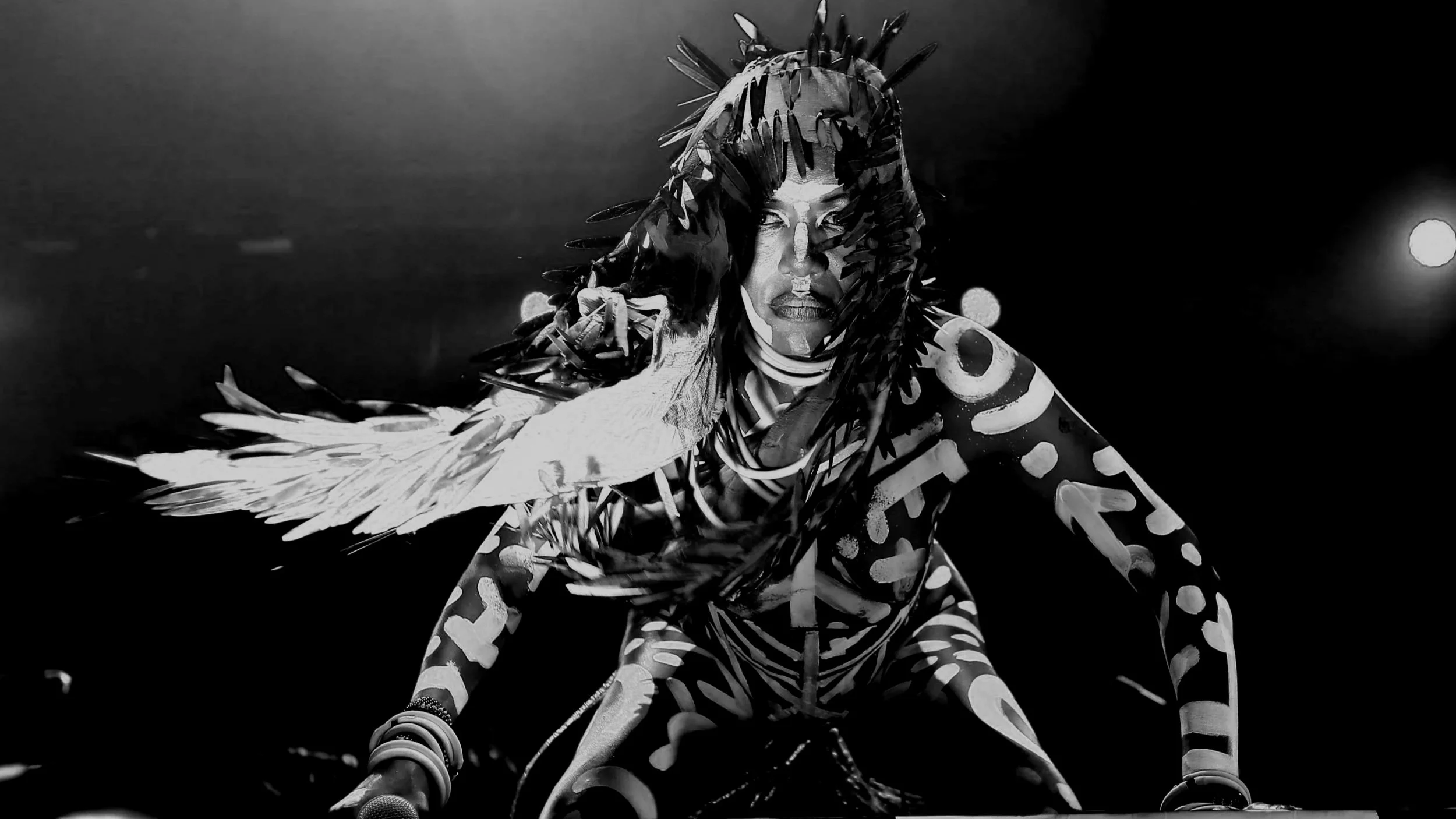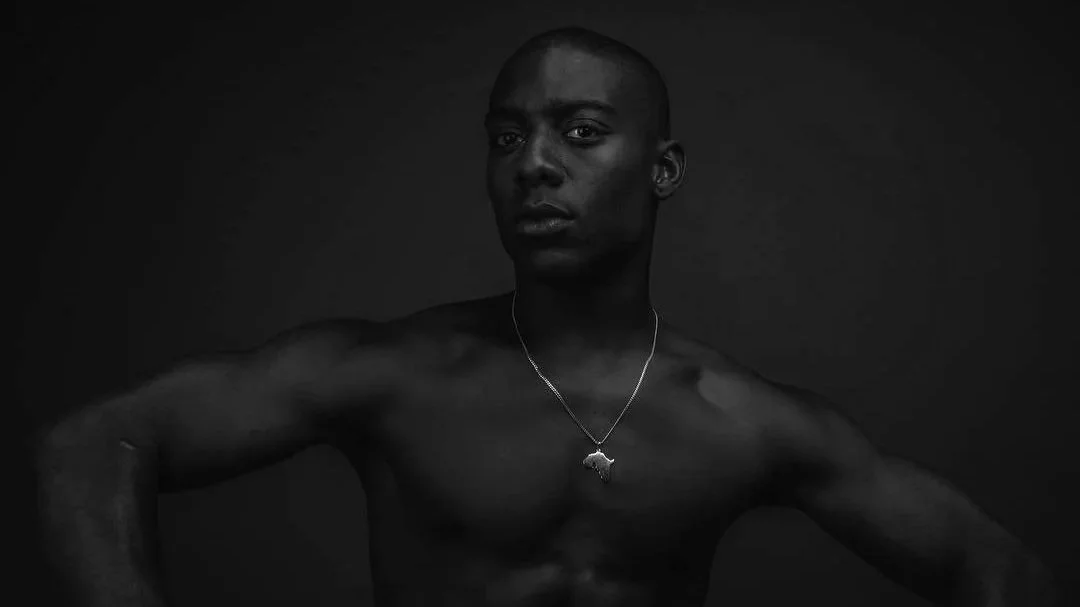
5 Designers Rewriting the Rules of Fashion

Streetwear used to be about logos. Now, it's about language—identity, perspective. Who gets to define culture? Who gets seen wearing it?
A new wave of Black and Latino designers is making streetwear more meaningful. These brands are cultural statements, built from lived experience, community, and a refusal to follow the old rules.
Let’s explore five designers you should have on your radar, each representing a different perspective and approach.
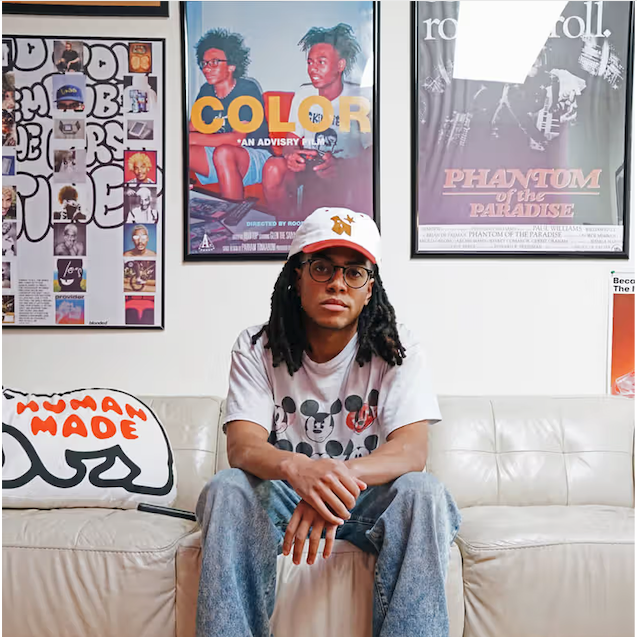
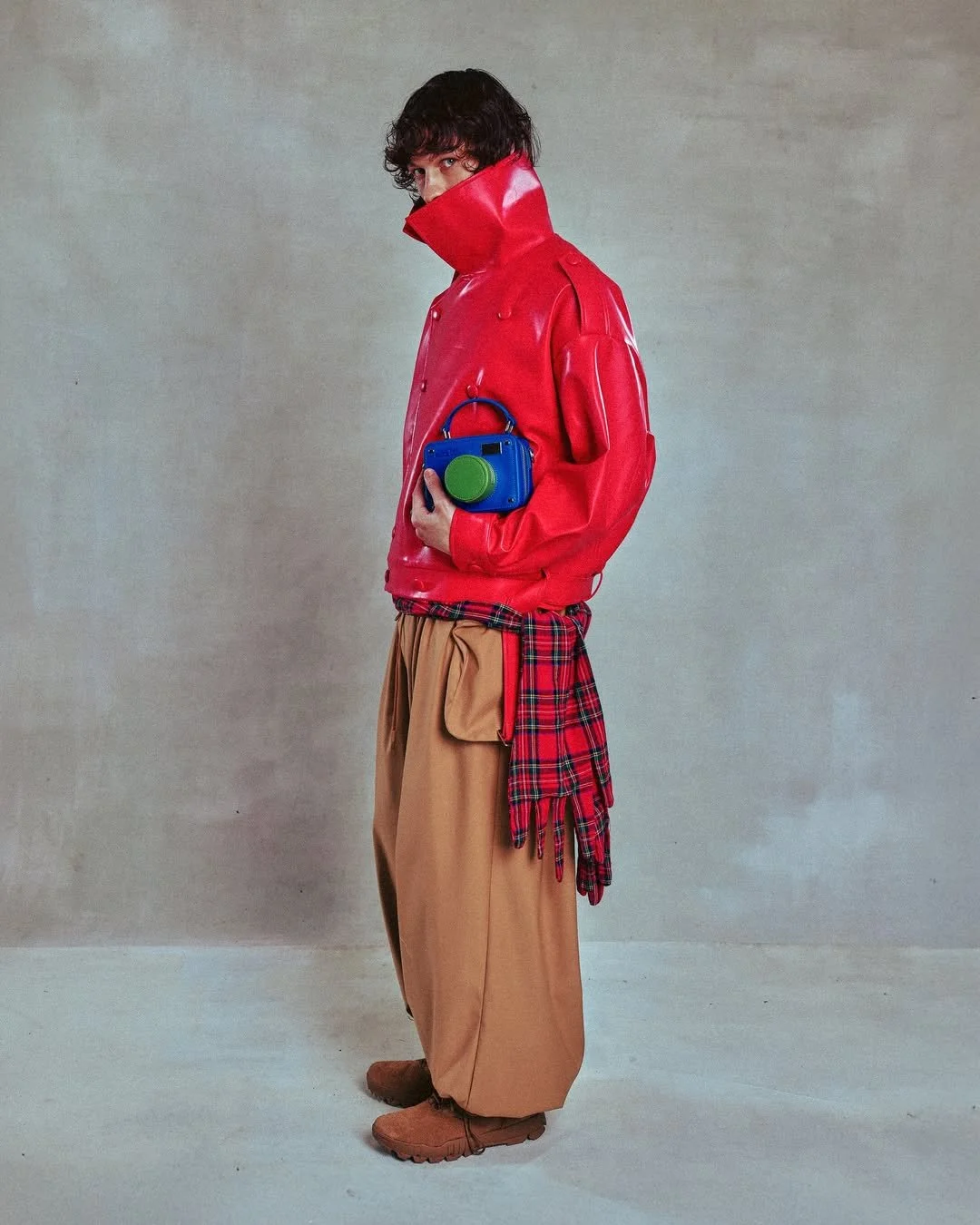
Keith Herron (Advisry)
Keith Herron started Advisry as a teenager. That says everything about his mindset. He never waited for permission.
Advisry began as a streetwear label but has grown much bigger. It now blends streetwear with runway energy, offering intentional, layered collections. Herron is building a full cultural world—not just clothing—around the brand.
His work speaks to young creatives outside the traditional fashion world. It's about access, not exclusivity, and that shift matters.

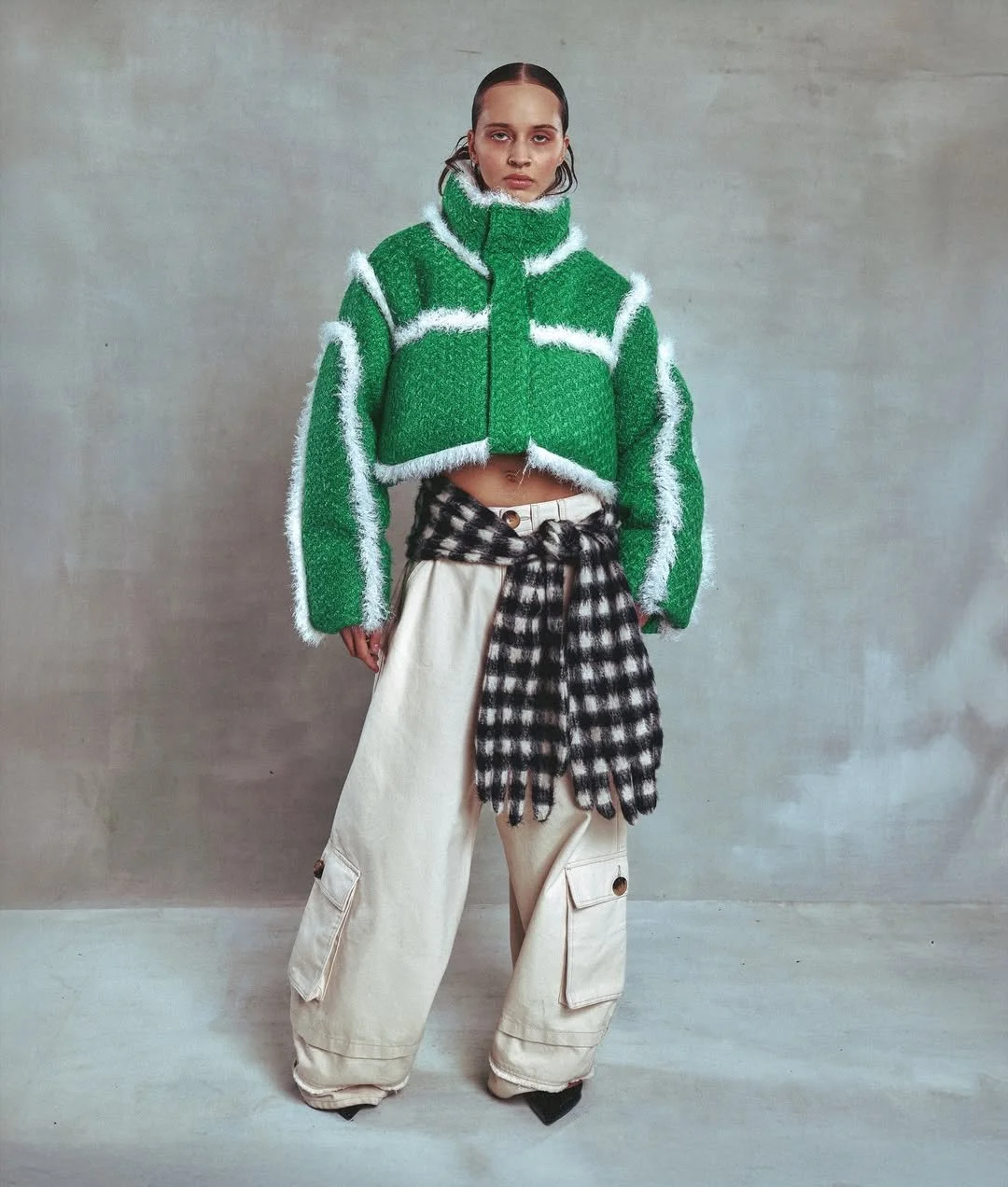

Raul Lopez (Luar)
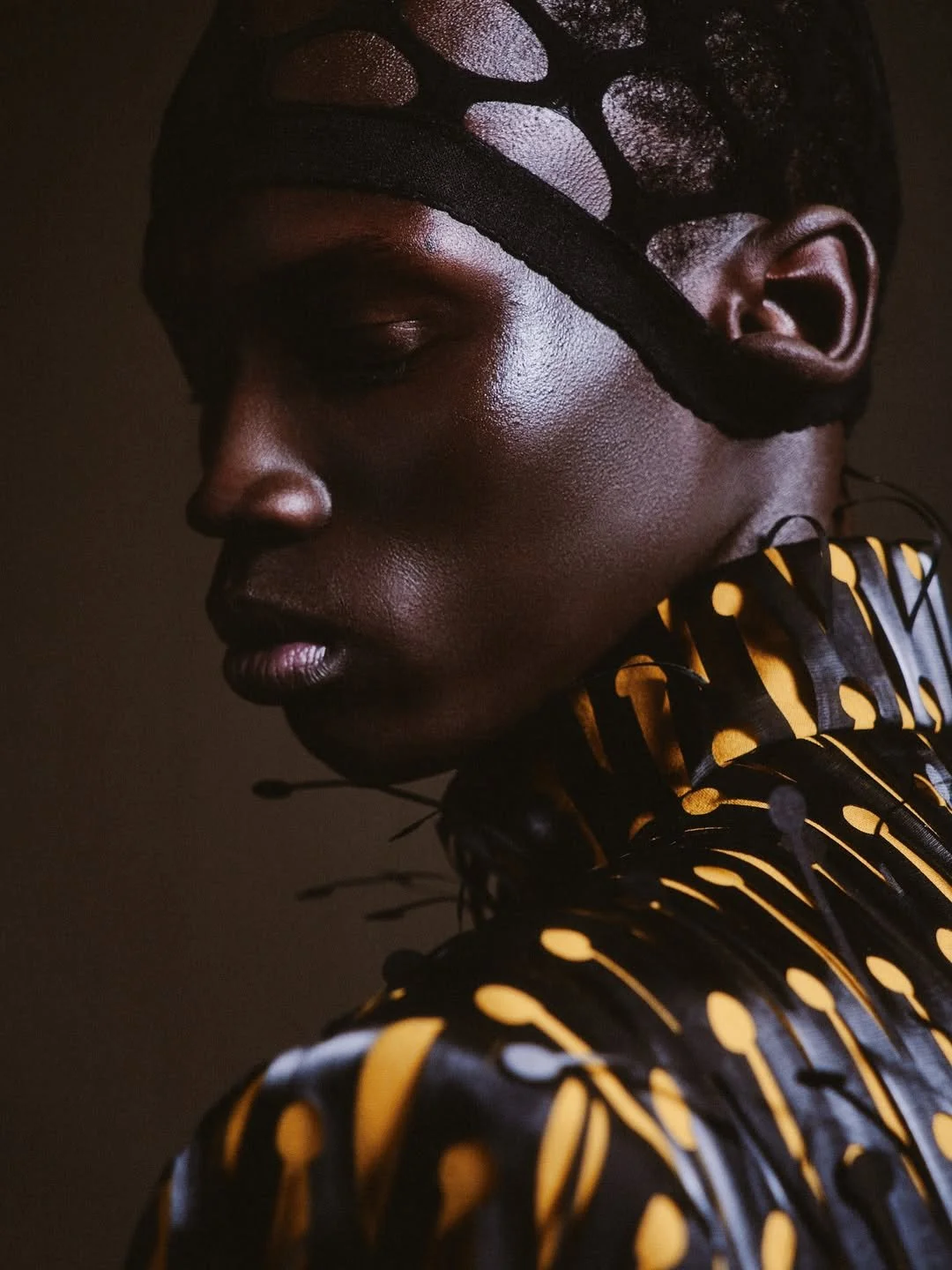
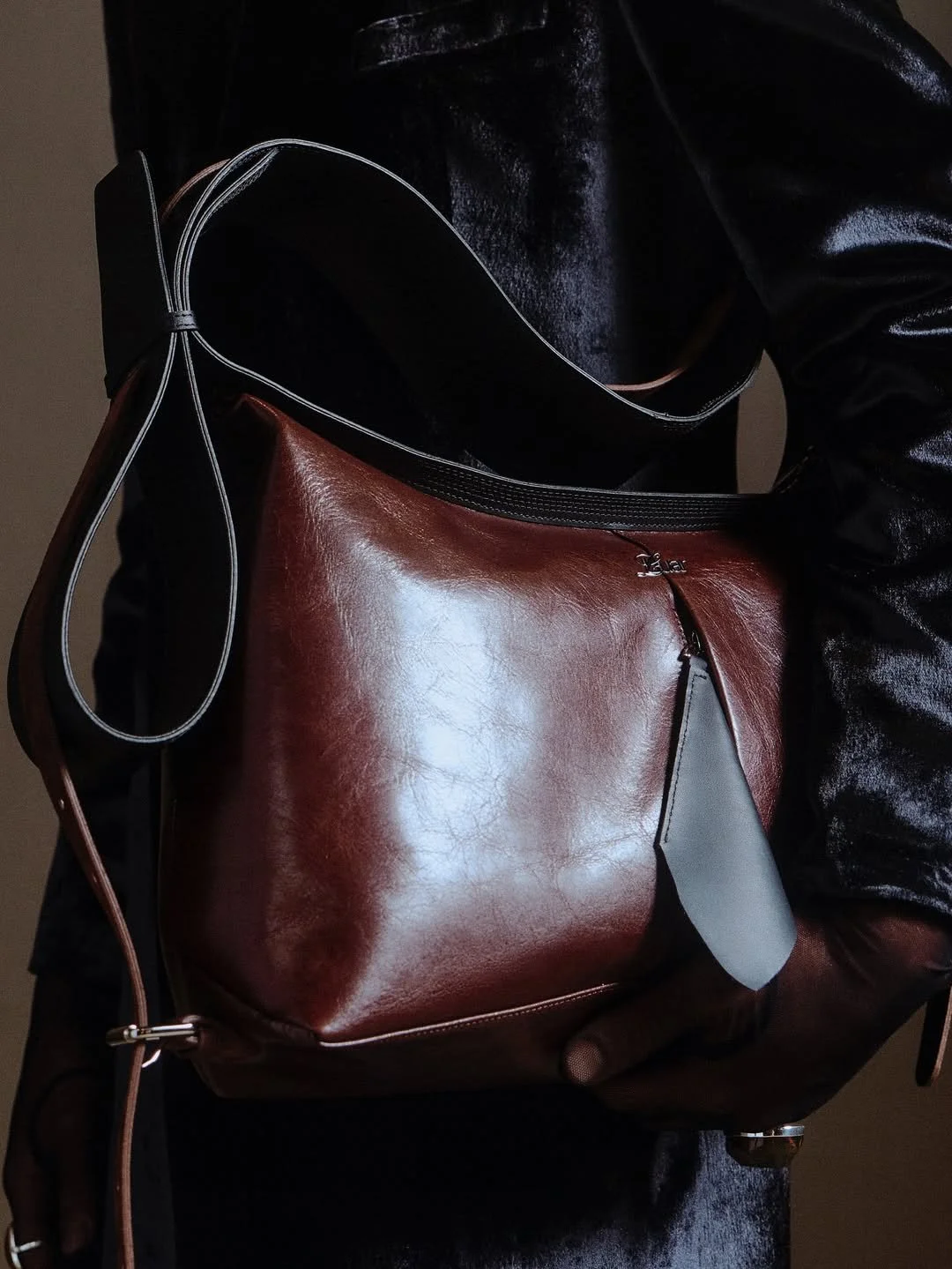
Dominican-American designer Raul Lopez leads Luar, a brand evolving streetwear. His work sits between luxury and street, but claims neither fully.
Lopez built his reputation by blending New York street culture with the structure of high fashion. His pieces are expressive. Sometimes, they are even theatrical. Yet, they remain grounded in everyday wear.
Luar stands out for its perspective—rooted in identity, with queer, Latino, and New York energy in one space. This is what pushes fashion forward.

Willy Chavarria
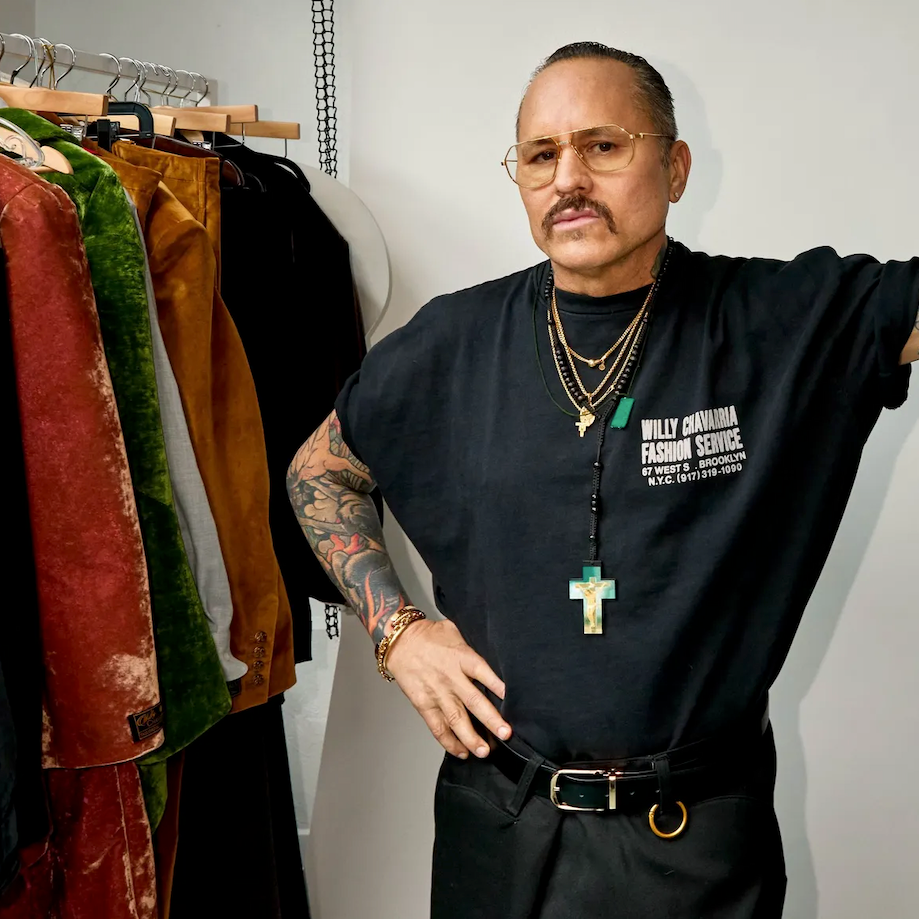
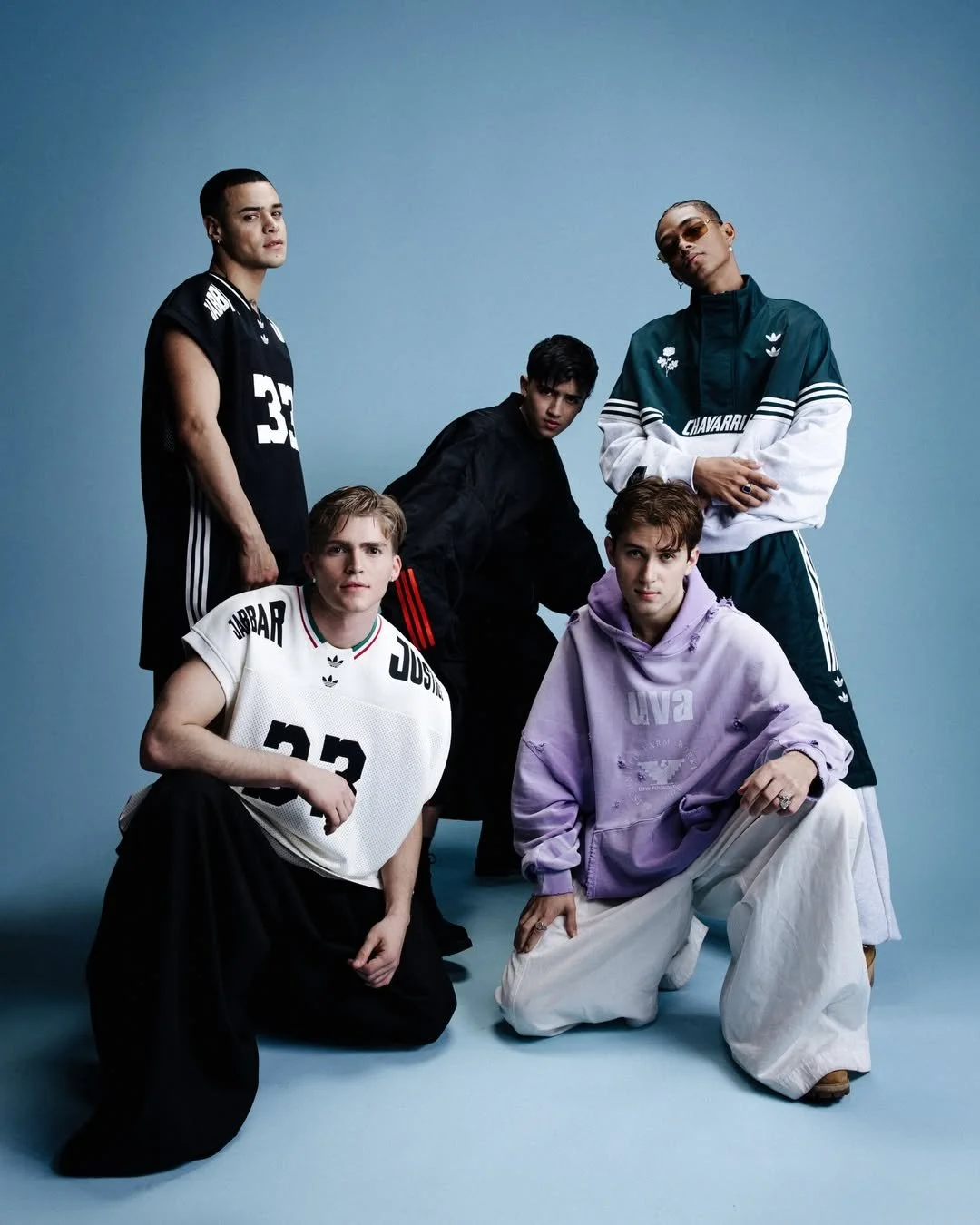
Willy Chavarria may not be new, but he's more relevant than ever. His work shows streetwear can go beyond aesthetics.
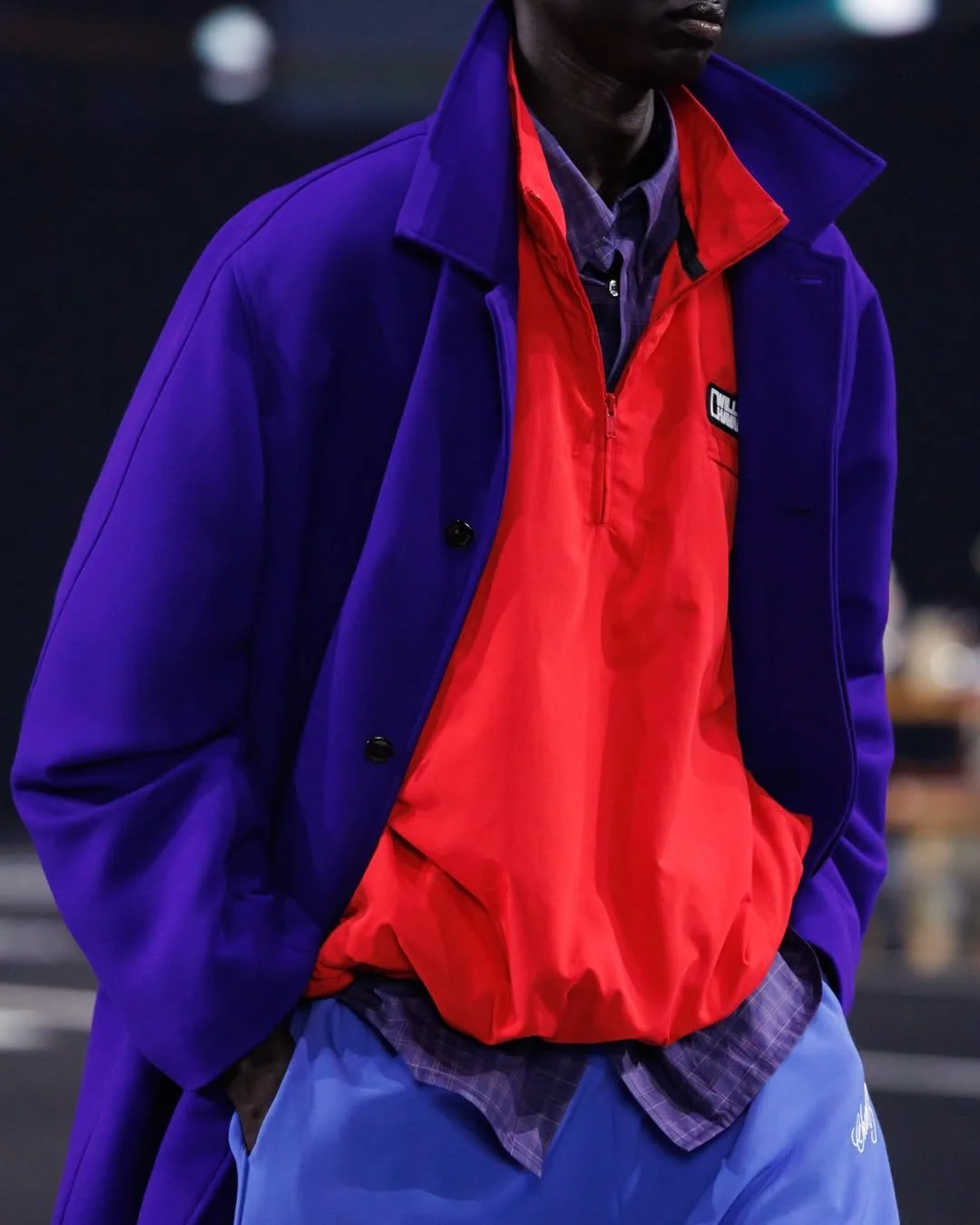
As a Mexican-American designer, Chavarria builds collections on Chicano identity, oversized shapes, and political storytelling. His designs are bold, emotional, and intentional.
He doesn't just design clothes—he creates narratives. Merging culture, fashion, and message is what the next era of streetwear demands.
Rich Mnisi
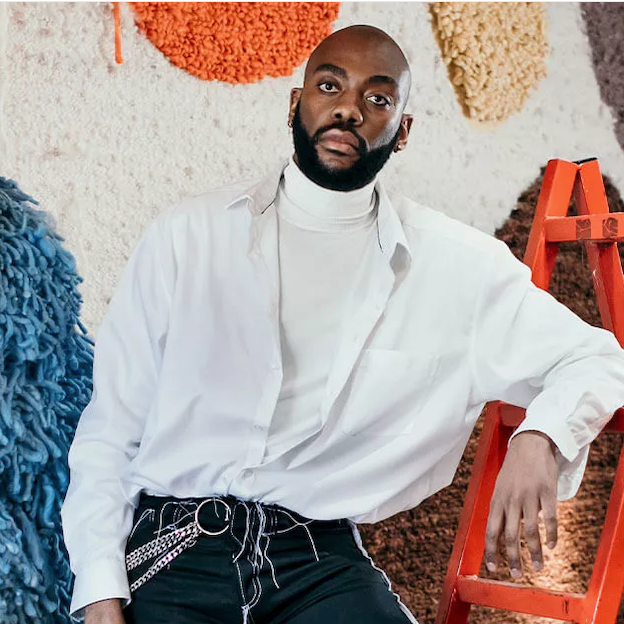
South African designer Rich Mnisi brings a distinct energy to streetwear. He fuses heritage, storytelling, and modern design. The result feels global.
Mnisi’s collections often draw on his Tsonga roots, using fashion to explore identity and culture through a contemporary lens. He has also collaborated with brands like Adidas, bringing that perspective into more commercial streetwear spaces.
His work stands out for its fluidity, shifting seamlessly between streetwear, art, and design without boundaries.



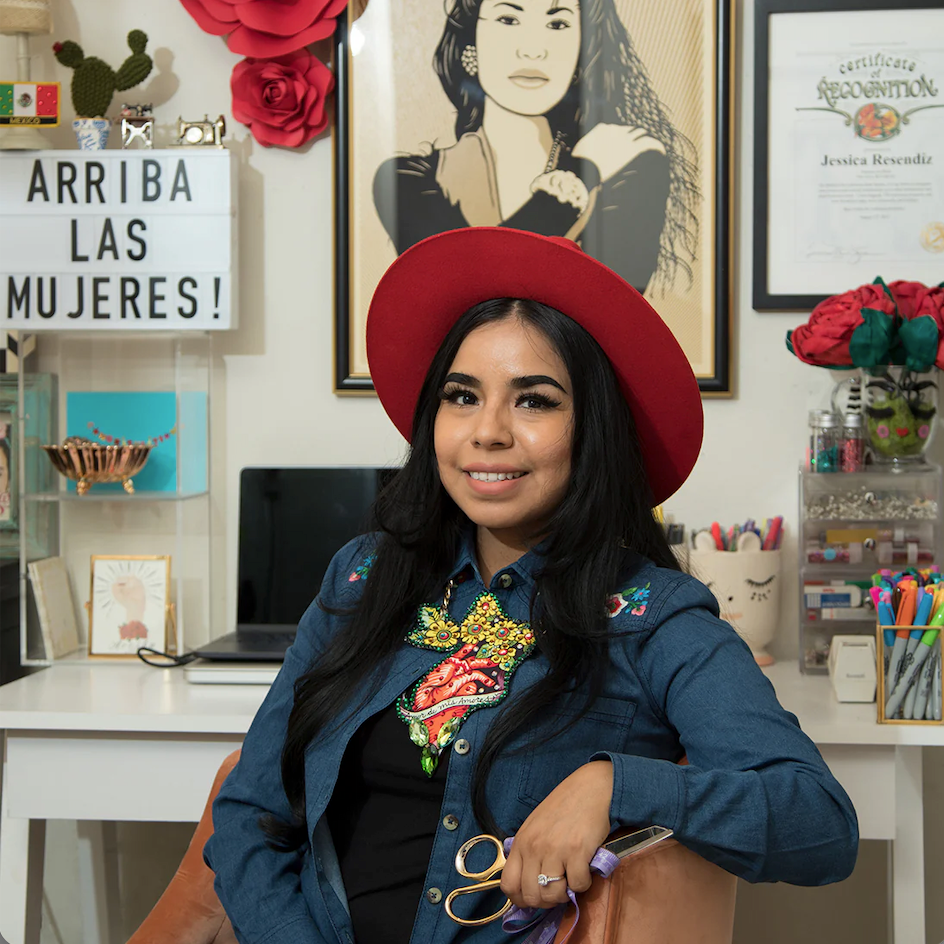
Jessica Resendiz (Raggedy Tiff)
Jessica Resendiz, the Mexican-American behind Raggedy Tiff, takes a grassroots approach to streetwear.
Her brand fuses handmade craft and cultural storytelling into personal, nostalgic pieces. Each design draws from heritage, tradition, and lived experience, turning clothing into wearable art.
In a space dominated by mass production, Raggedy Tiff stands out. It's intentional, slower, more connected—and its authenticity resonates.


What unites these designers isn't just background—it's perspective. They aren't chasing trends—they're building worlds. Drawing from culture, identity, and community, they make fashion real. This shift moves the genre away from hype and toward something lasting.
This is what the next era looks like. Less about logos. The next era of fashion centers on deeper cultural meaning, not superficial branding. And if you are paying attention, you already know. The future of streetwear is not coming. It is already here.