5 Black Filmmakers Rewriting the Script
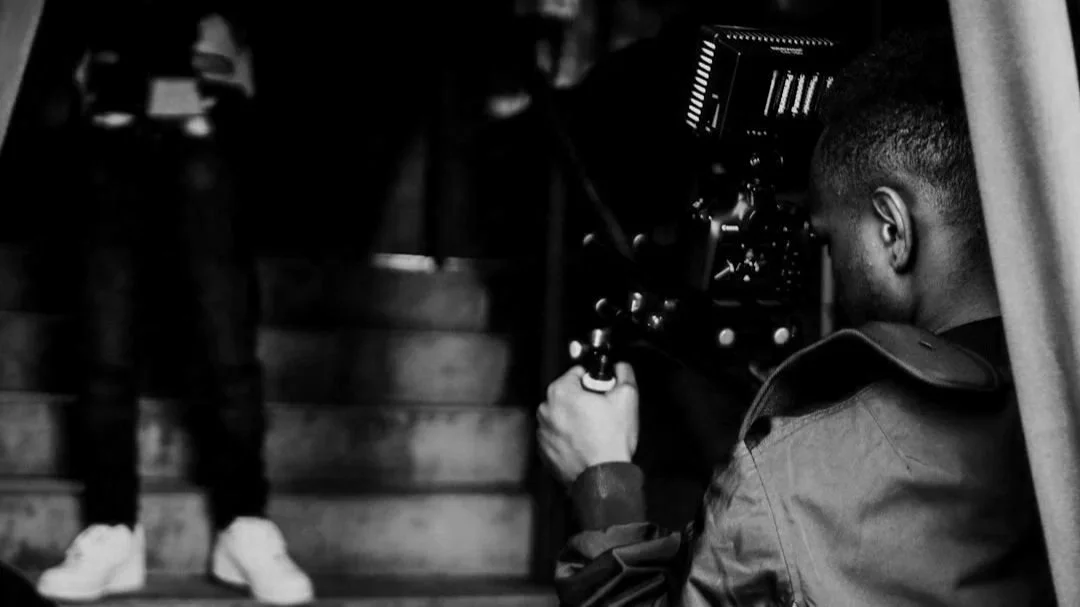
The future of film isn’t just about bigger budgets or better tech. It’s about perspective. Who gets to tell stories, how they tell them, and what those stories look like when they aren’t filtered through the same lens we’ve seen for decades.
A new wave of Black filmmakers is shifting that lens. Some work inside the system, others outside, all expanding what cinema can feel like. Let’s take a closer look at five filmmakers driving this transformation.
A.V. Rockwell
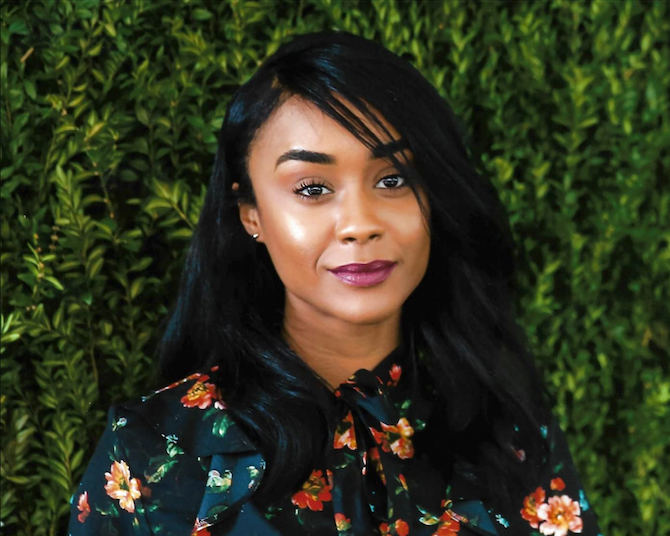
A.V. Rockwell isn’t interested in surface-level storytelling. Her work is grounded in emotional truth and lived experience. Her debut feature, A Thousand and One, didn’t just win Sundance’s Grand Jury Prize; it introduced a voice that feels deeply intentional about how Black life is portrayed on screen.
Rockwell’s storytelling focuses on intimacy. The quiet moments. The complicated relationships. The parts of life that don’t always make headlines but shape everything. It’s filmmaking that feels human first, cinematic second.
Raven Jackson
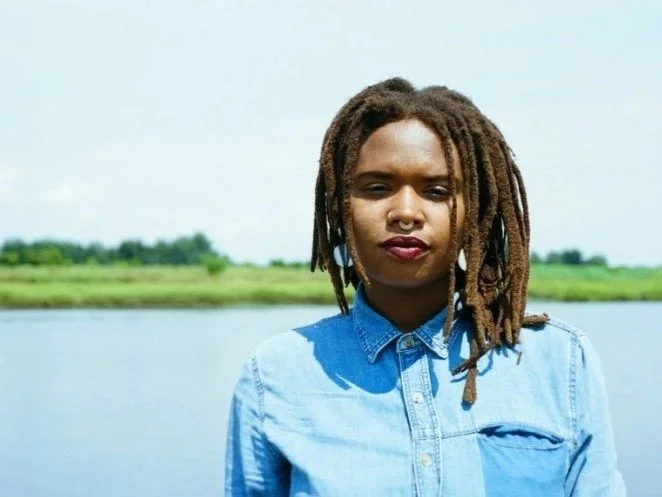
Poet, filmmaker, visual artist. Raven Jackson moves across mediums, and you can feel that in her films. Her debut, All Dirt Roads Taste of Salt, feels less like a traditional narrative and more like a memory unfolding in real time.
She leans into stillness, texture, and emotion rather than plot. The result is something that feels deeply personal but universally recognizable. Jackson is part of a new generation that treats film less like a story to tell and more like a feeling to experience.
Elegance Bratton
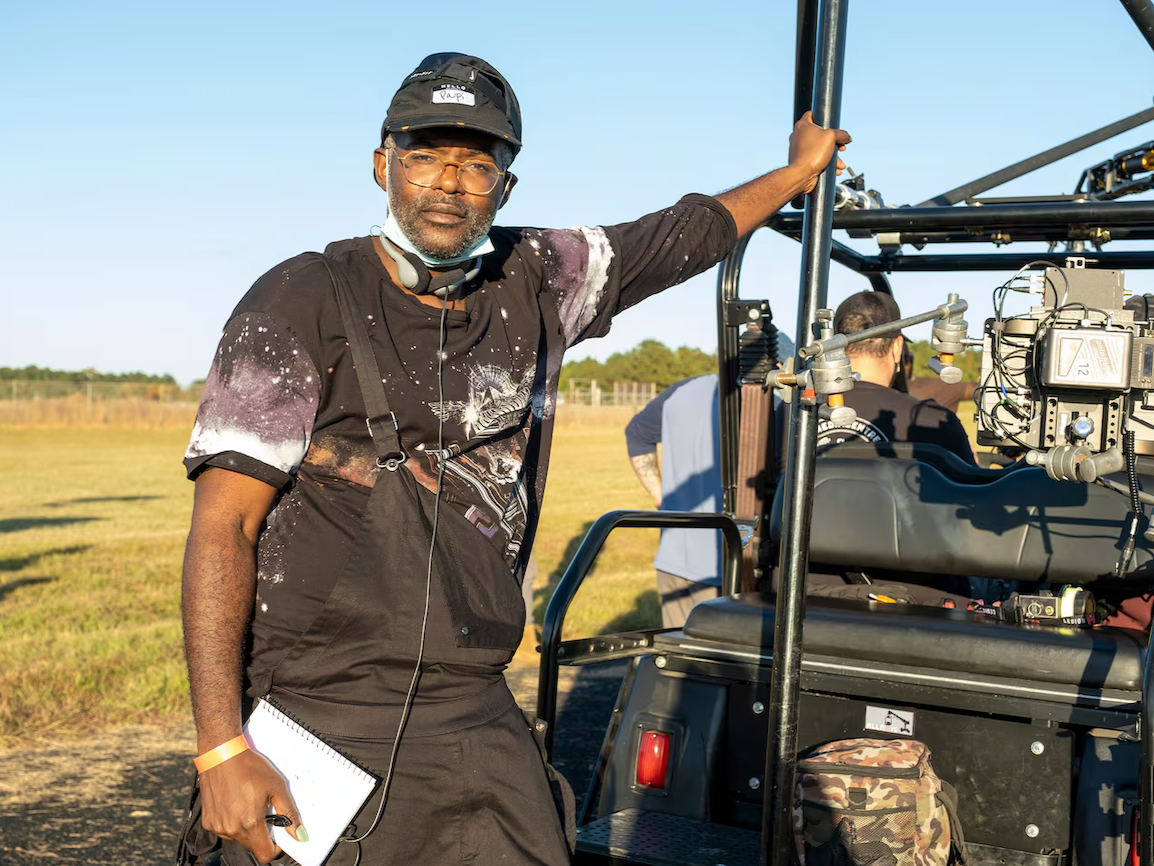
Elegance Bratton brings urgency to everything he touches. His film The Inspection draws from his own life, telling the story of a young Black man navigating identity, masculinity, and belonging within the military.
Bratton’s work sits at the intersection of personal and political. He doesn’t separate the two. His storytelling is direct, emotional, and grounded in real-world tension. It’s the kind of filmmaking that doesn’t just reflect culture, it challenges it.
Nikyatu Jusu
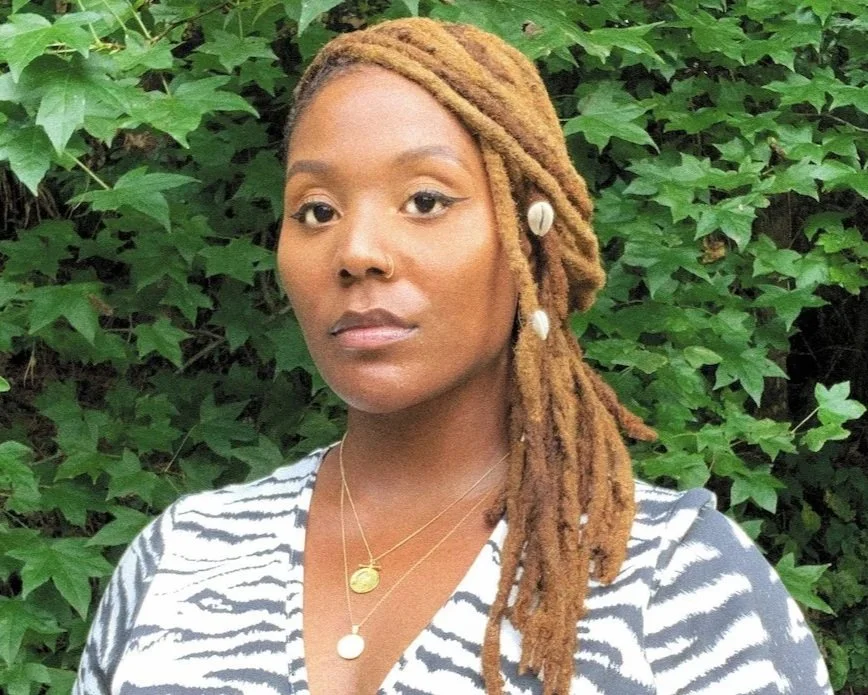
Nikyatu Jusu is redefining what genre filmmaking can look like. With her breakout film Nanny, she took the framework of a horror story and infused it with themes of immigration, motherhood, and psychological tension.
Her work proves genre can be expansive and hold deeper meaning. Jusu is among filmmakers using horror and thriller not just to scare, but to say something.
Adamma Ebo & Adanne Ebo
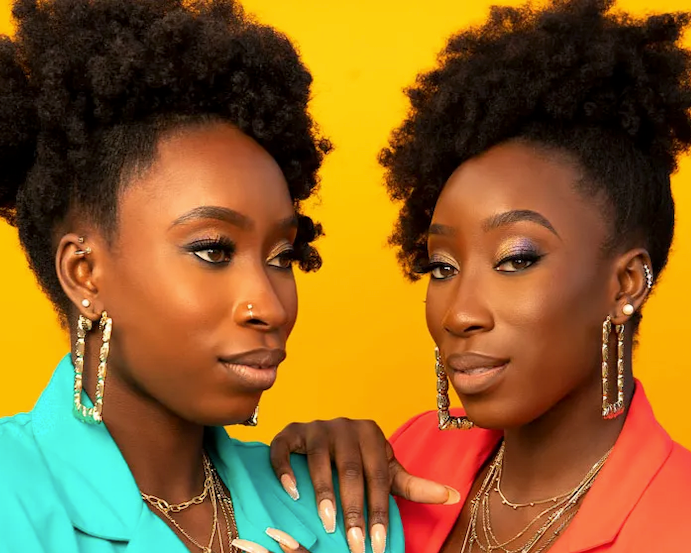
Adamma & Adanne Ebo brings a sharp, distinct voice to comedy and storytelling. Their film Honk for Jesus. Save Your Soul. blends satire with social commentary, exploring religion, performance, and image in a way that feels both funny and uncomfortable.
The filmmaking duo work shows how humor can be a tool for critique. They understand tone in a way that allows them to balance absurdity with insight. It’s not just about making people laugh. It’s about making them think while they do.
The Shift Is Already Happening
What connects these filmmakers isn’t just their background. It’s their approach. They aren’t trying to fit into traditional Hollywood structures—they’re reshaping them. Some work within studios, others follow independent paths. All are telling stories that feel more layered, honest, and reflective of the real world.
This isn’t a trend. It’s a shift. And if you’re paying attention, you’ll realize something important. The future of film isn’t just on the horizon. It’s unfolding right now, led by these visionary filmmakers.