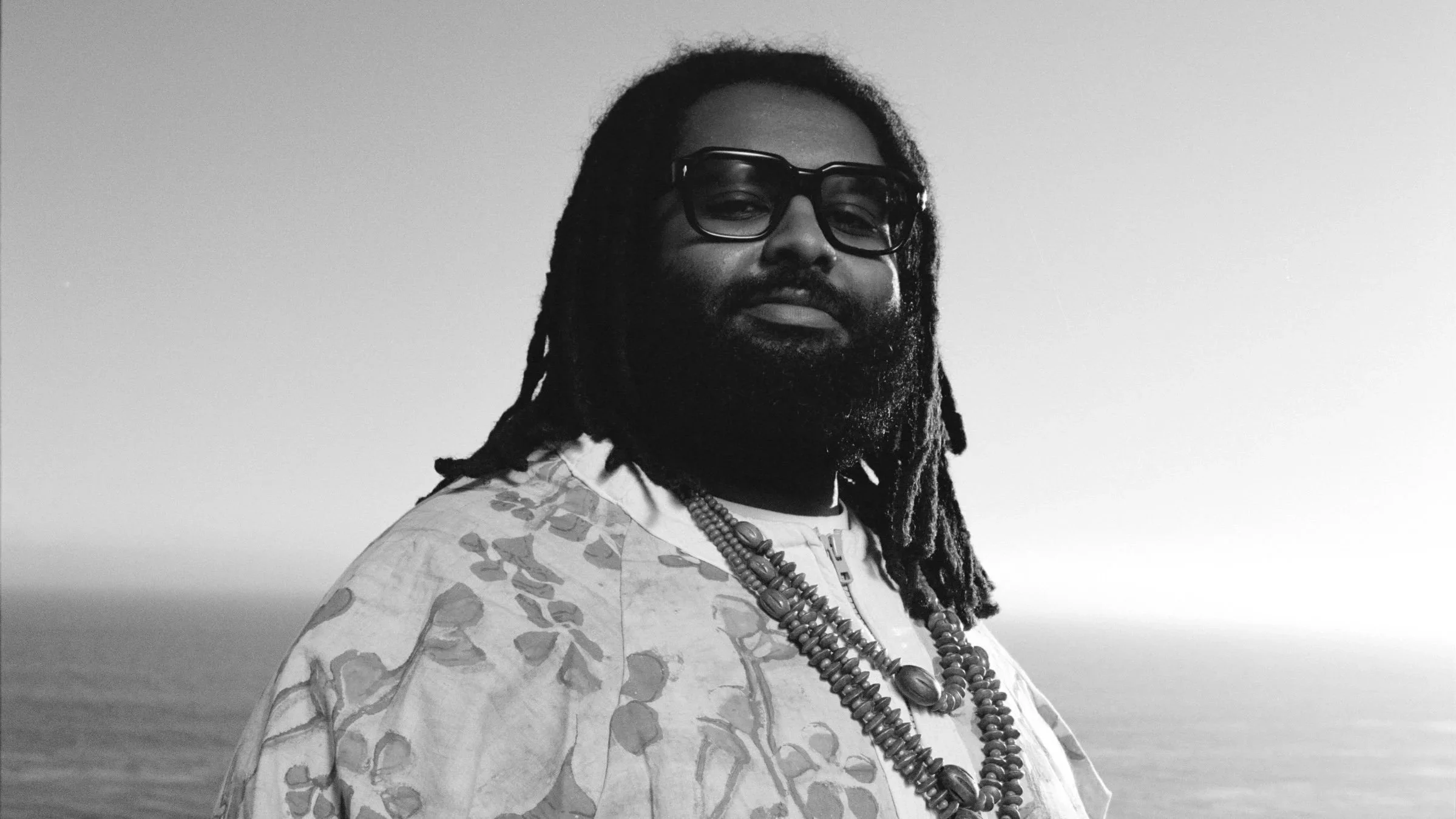
DIJON IS THE SOUND OF ROMANTICISM
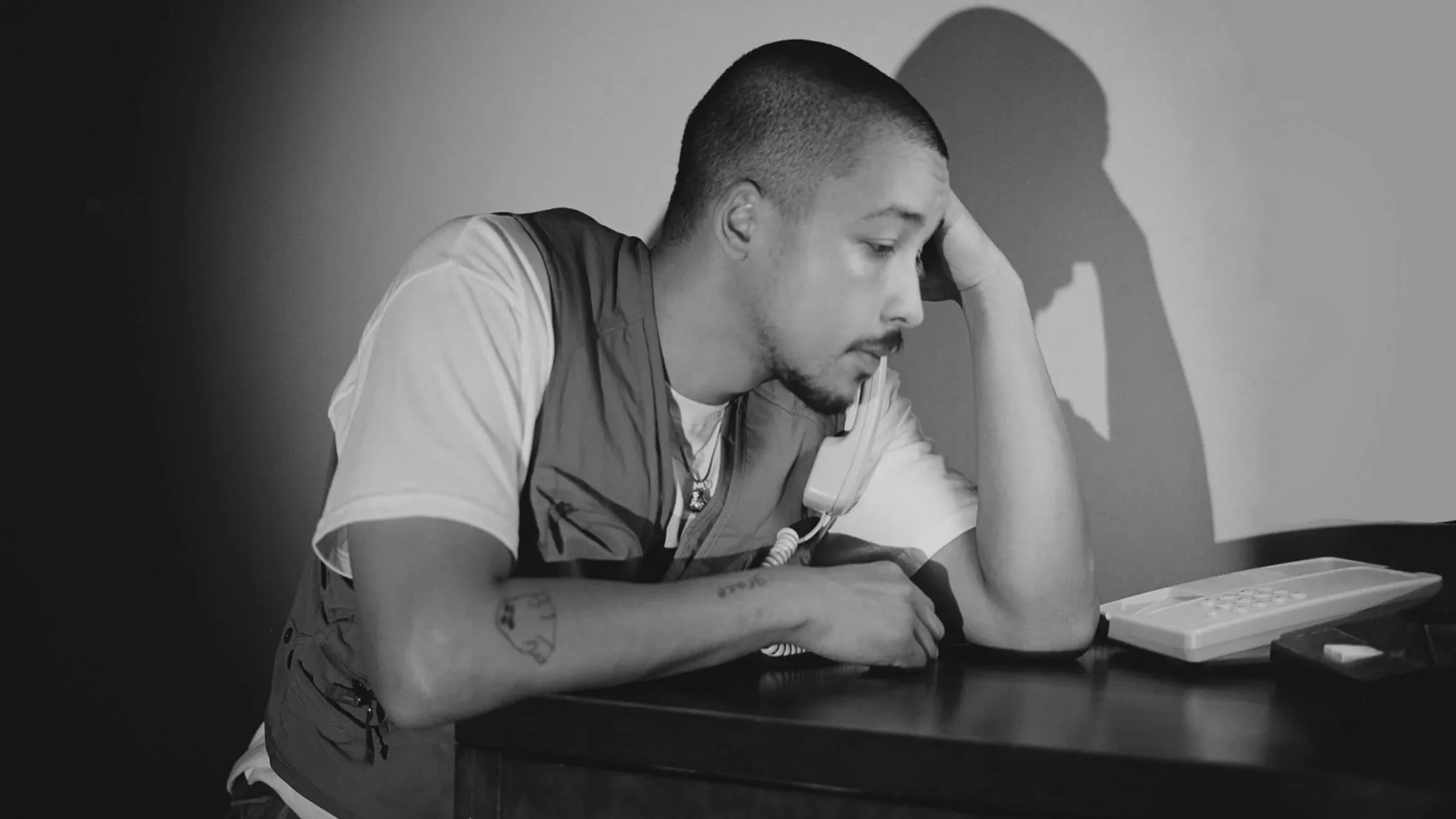
There’s a quiet shift happening in music right now. Less polish. More presence. Less perfection. More feeling. Dijon sits right in the middle of that shift. His music doesn’t feel engineered. It feels like something unfolding in real time, messy in the best way, and impossible to fully pin down.
If you’ve been paying attention, you’ve felt his influence. Not loud at first, but steady. Now, it’s showing up everywhere.
Born Dijon Duenas, he moved constantly because of his parents’ military careers, living across the U.S. and abroad. Nothing in his music feels fixed; everything shifts, adapts, searches.
Trying to define Dijon by genre is not really the point. His music draws on alternative R&B, folk, rock, and something that feels closer to improvisation than to structure.
His debut album, Absolutely, introduced that approach in a way that felt raw and immediate. The project came with a film, which already tells you how he thinks. Not just in songs, but in moments. In the atmosphere. In world-building.
Tracks like “Many Times” and “The Dress” feel deliberately unfinished. Vocals crack, instruments bleed together, and timing is loose. That’s what works. It feels human—present, not cleaned up or corrected.
That idea has guided all his work since. His 2025 album Baby really expands it.
If Absolutely felt like a diary, Baby feels like someone letting everything spill out at once and allowing it to exist without forcing it into structure. The album draws on unfinished demos, old ideas, and fragments, turning them into something that feels both chaotic and intentional.
Songs move unpredictably. Structures shift. Sounds cut in and out. At times, it feels like the music is breaking apart, then suddenly it locks back in. Tracks like “Yamaha” and “Kindalove” clearly show that contrast. One moment, you are in something warm and melodic. The next time you are in distortion, noise, or silence. That push-and-pull is the point.
Dijon is not trying to make music that fits neatly into playlists. He is making music that feels like thought patterns. Jumping between ideas, emotions, and memories without warning. And somehow, it holds together. What really sets Dijon apart from many artists in his lane is how much he prioritizes feeling over everything else.
The lyrics matter, but not in the traditional sense. They’re not always linear or easy to follow—sometimes fragments, sometimes half-finished thoughts. But the emotion lands every time. It’s less about understanding every line, more about recognizing the feeling. That’s a different kind of songwriting.
Dijon is not just a singer. He is a producer, collaborator, and architect of his own sound. He has worked with artists like Bon Iver, Charli XCX, and Justin Bieber, contributing to projects across completely different parts of the industry. His production work has even earned major recognition, underscoring how his influence is expanding beyond his own music. But even with that reach, his solo work still feels personal.
He doesn’t try to scale up or make his music more accessible. Instead, he leans into unpredictability. Part of Dijon's appeal is that people are tired of perfection.
There is a shift happening. Music that feels too clean, too structured, too optimized is starting to feel less interesting. Listeners are looking for something that feels real again. Dijon gives you that. His music feels like it could fall apart at any moment, and that tension keeps you locked in. It feels like watching something unfold live, rather than hearing something that has already been decided.
Dijon is not trying to be the most polished artist in the room. He is trying to be as honest as possible. His music blends genres without asking permission. It embraces mistakes instead of hiding them. It moves like real emotion moves. Unpredictable, messy, sometimes unclear, but always real.
If you are paying attention to where music is going, he is part of that conversation. Start with Absolutely. Then move into Baby. Let the songs play all the way through without trying to control them. Because Dijon is not making music you can fully map out. He is making music that you experience. And once you sit with it, it stays with you.