Keiyaa: Future of Soul

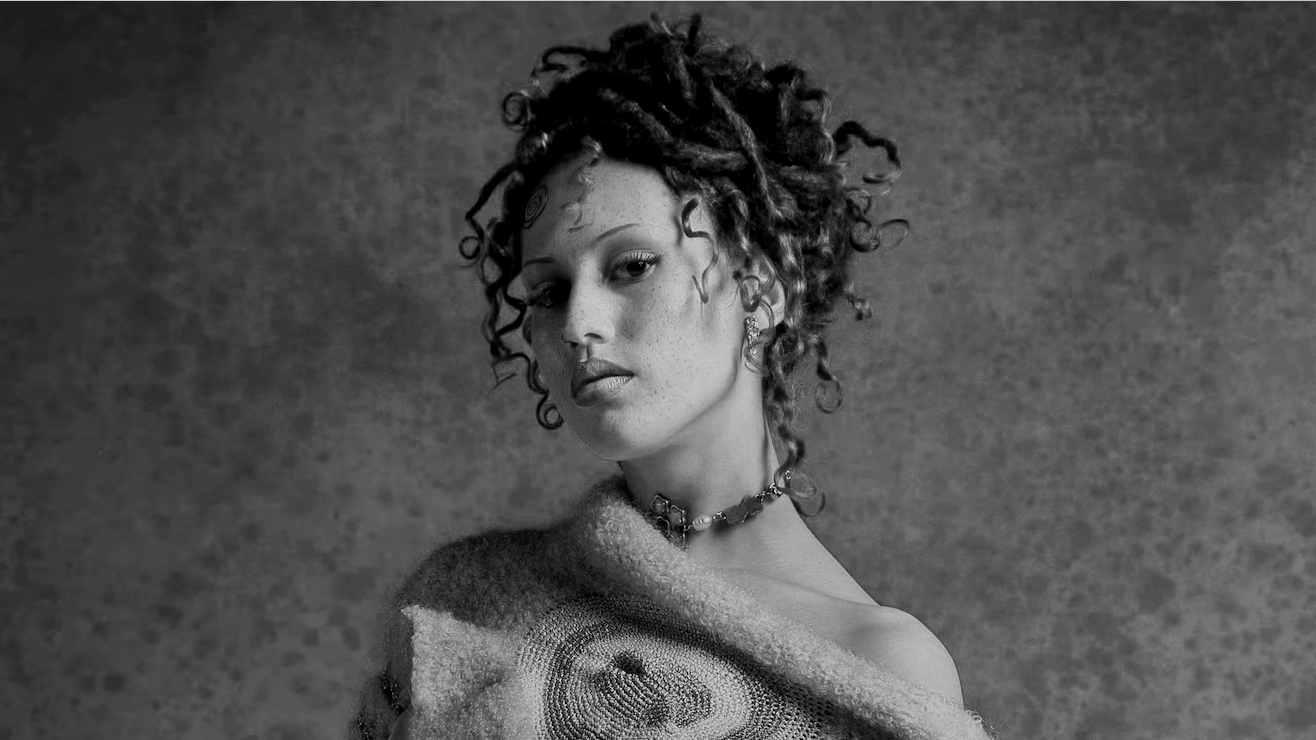
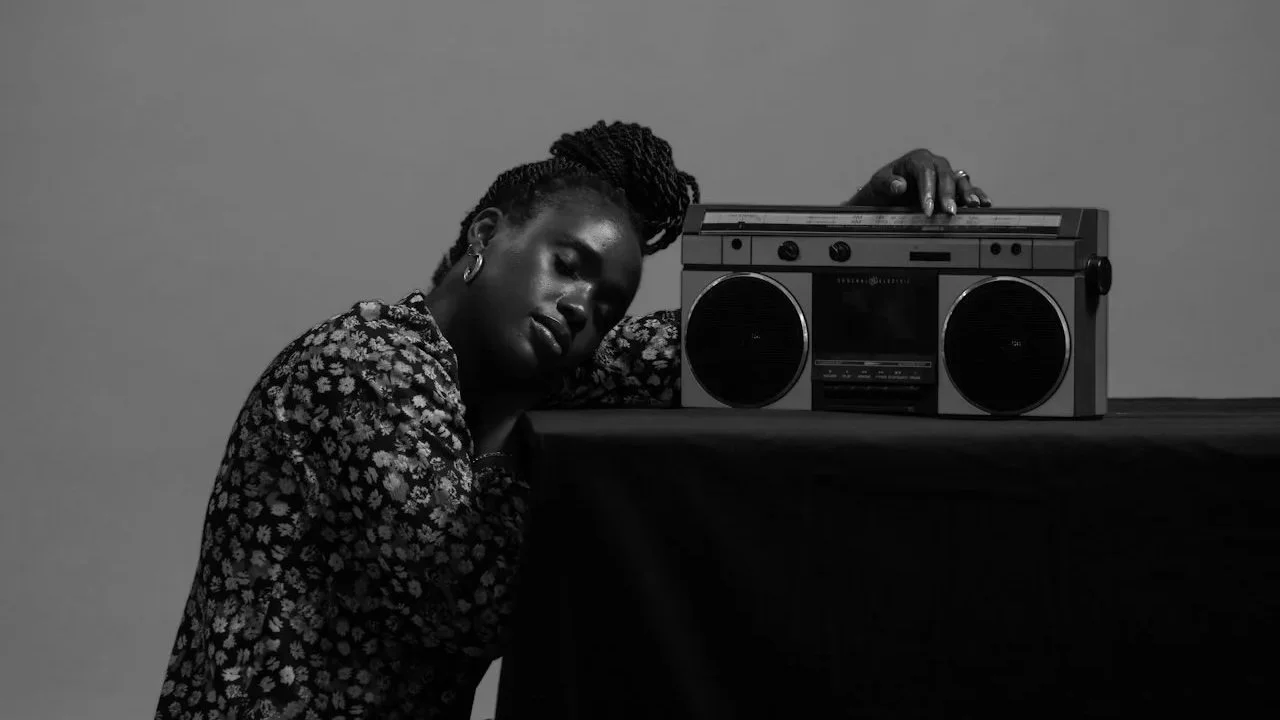
Some artists make songs. Others build entire emotional ecosystems. KeiyaA belongs firmly in the second category.
If you haven’t heard her yet, think of this as a gentle but urgent introduction. The Chicago-born, New York–based singer, producer, and multi-instrumentalist (real name Chakeiya Camille Richmond) has been quietly crafting one of the most fascinating catalogs in modern experimental soul.
At VOYD, we value artists who reshape genres until they are almost unrecognizable. KeiyaA achieves this, moving between neo-soul, jazz, electronic experimentation, and confessional poetry with clear confidence.
And that’s exactly why she matters right now—her work demands a closer look.
A Chicago Soul Built on Jazz and Curiosity
KeiyaA’s story starts on the South Side of Chicago, a city famous for producing musicians who refuse to play by the rules. Before she was singing and producing her own records, she studied jazz and played instruments like the saxophone and clarinet—training that still shapes the structure of her music today.
Those early influences show up everywhere in her sound. Jazz improvisation, R&B warmth, electronic textures, hip-hop rhythm — they all collide inside her songs.
It’s the kind of musical language you only develop when you grow up listening widely and refusing to shrink yourself to one aesthetic.
Eventually, KeiyaA moved to New York and immersed herself in the city’s experimental music scene, collaborating with artists from Chicago’s alt-rap and jazz communities, including those around Noname and Vic Mensa.
That cross-pollination shaped her signature style: soulful yet strange, poetic and grounded, experimental while deeply emotional.
Forever, Ya Girl: A Debut That Felt Like a Diary
KeiyaA’s breakthrough moment came in 2020 with her debut album Forever, Ya Girl—a self-produced project she released independently during the pandemic.
The record quickly became one of the underground’s most beloved albums that year, winning praise for genre-blending production and vulnerable songwriting.
Listening to it feels like stepping into someone’s private emotional archive. Songs drift between hazy neo-soul grooves, experimental electronic beats, and spoken-word reflections that explore love, loneliness, and survival.
Critics described the album as immersive and mantra-like — music that pulls you inward rather than outward.
But what made Forever, Ya Girl resonate wasn’t just its sound. It was the perspective.
KeiyaA writes from the position of a Black woman navigating the chaos of modern life—love, work, identity, capitalism, all of it. Her lyrics feel like internal monologues turned into melody.
It’s introspective without being fragile. Honest without being overly polished.
And that honesty built a loyal audience fast.
Hooke’s Law: The Sound of Pressure Turning Into Power
Fast forward to 2025, and KeiyaA returned with her second album, Hooke’s Law, released through XL Recordings.
The title references the physical principle that describes how objects stretch under pressure and then return to their original form— a metaphor KeiyaA uses to explore resilience, identity, and emotional endurance.
While Forever, Ya Girl was dreamy and reflective, Hooke’s Law feels more restless. It moves from R&B to electronic experimentation, jungle rhythms, and intense, layered samples.
Songs like “Stupid Prizes” and “Take It” showcase KeiyaA’s ability to hold contradiction in the same space: vulnerability and swagger, humor and frustration, tenderness and rage.
And the most impressive part?
She wrote, produced, and performed nearly everything herself.
In an industry focused on teams and formulas, KeiyaA’s self-sufficiency stands out as radical.
Art That Feels Like a Conversation
What separates KeiyaA from many of her peers is the emotional intelligence in her work. She doesn’t rush toward tidy conclusions or motivational slogans. Her music allows uncertainty to exist.
Love is messy.
Growth is nonlinear.
Healing isn’t aesthetic.
Rather than forcing tidy conclusions, KeiyaA creates songs that sit within those tensions.
Her work also draws inspiration from Black poets like Jayne Cortez and Ntozake Shange, bringing a literary sensibility to her songwriting.
The result is music that feels closer to spoken-word storytelling than traditional pop songwriting.
Why We’re Paying Attention
At a time when much of the music industry feels optimized for streaming algorithms, KeiyaA’s work feels refreshingly human.
Her songs wander. They breathe. They question things.
She’s not creating perfect playlist tracks—she’s building emotional worlds. Artists like Solange, Earl Sweatshirt, Blood Orange, and Moses Sumney have already recognized that brilliance. And slowly but surely, more listeners are catching up.
The VOYD Signal
If you’re someone who loves music that refuses easy labels, KeiyaA is essential listening.
She’s part of a generation of artists redefining what soul music can sound like in the digital age—less about nostalgia, more about experimentation, vulnerability, and storytelling.
In summary: KeiyaA’s music is forward-looking soul—experimental, emotionally rich, and unbound by tradition.
The future of R&B likely belongs to artists like KeiyaA—those who redefine genres and turn personal experience into transformative music.
So consider this your signal.
Start with Forever, Ya Girl.
Then dive into Hooke’s Law.