5 Artists Rewriting the Canvas
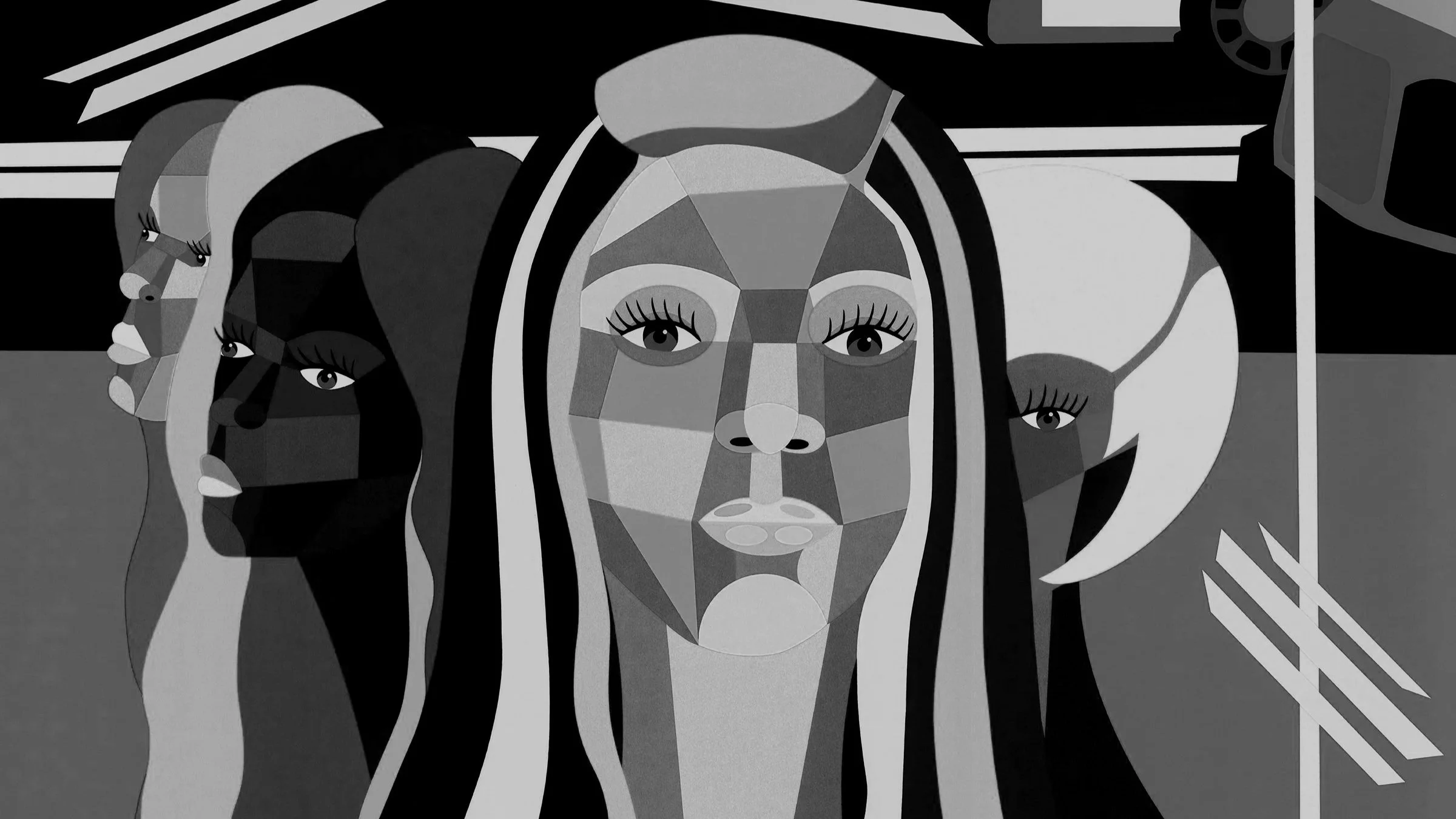
Every generation has artists who challenge their era’s visual language. Today’s emerging minority artists aren’t just creating— they’re reshaping conversations about identity and representation.
A new wave of voices is expanding contemporary art across painting, mixed media, and conceptual art. These artists fuse personal experiences—heritage, memory, and imagination—into work that is both intimate and universal.
Here are five artists worth paying attention to right now.
Jordan Casteel (@jordanmcasteel)
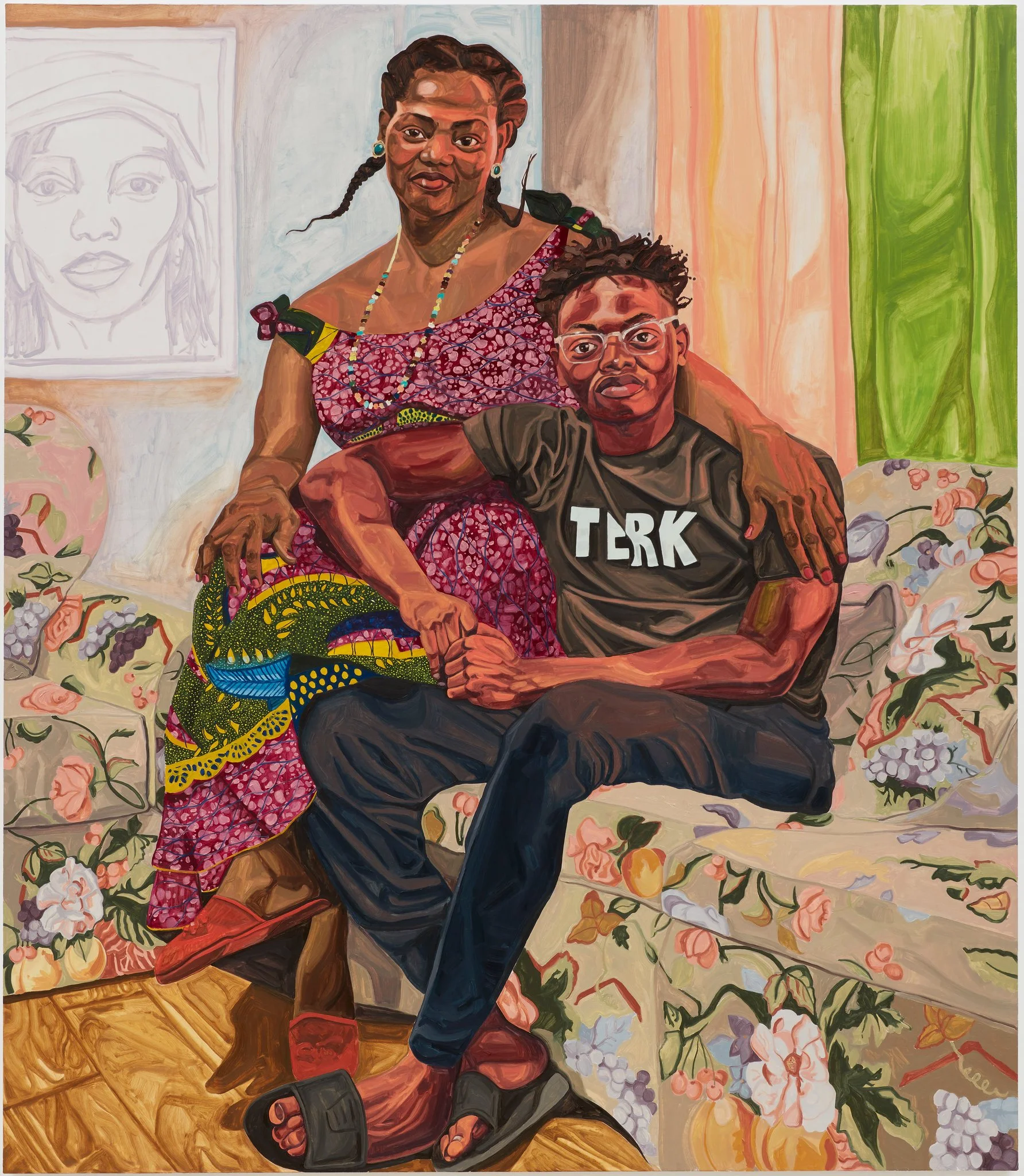
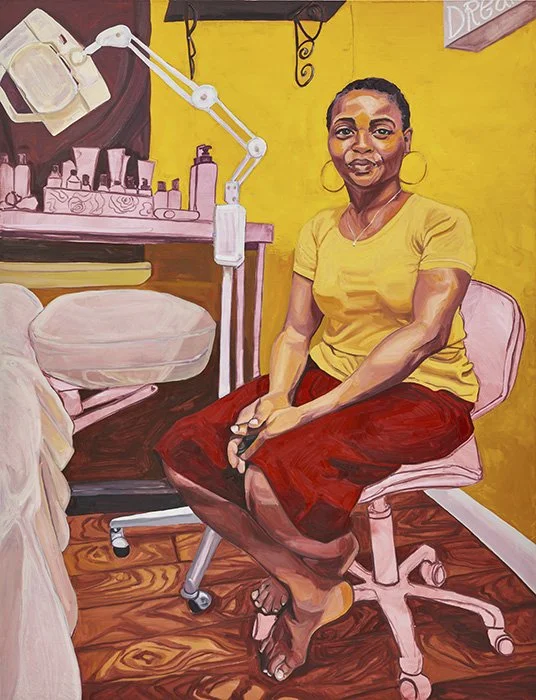
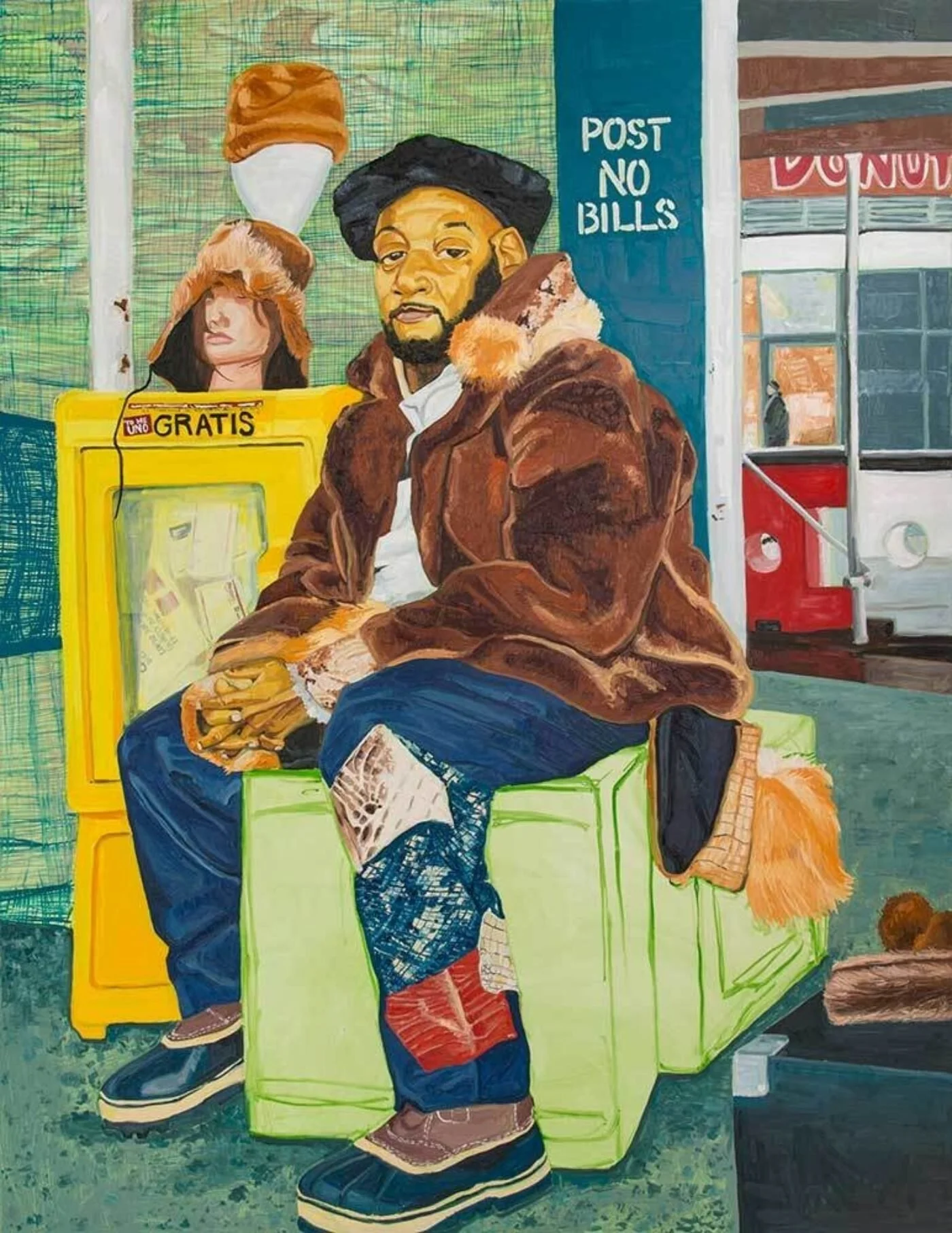
Painter Jordan Casteel has quickly become one of the most compelling voices in contemporary figurative painting. Known for her vibrant portraits of everyday people, Casteel captures moments of quiet dignity in communities often overlooked by traditional art institutions.
Her large-scale paintings highlight people from her neighborhood and social circles, portraying them with warmth, presence, and respect. Casteel’s art shows that portraiture can be as much about narrative as it is about depiction.
Tschabalala Self (@tschabalalaself)
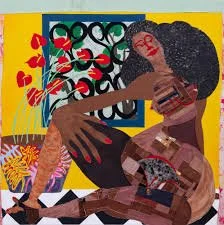
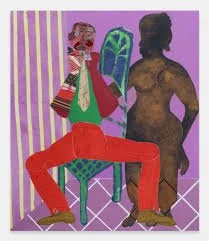
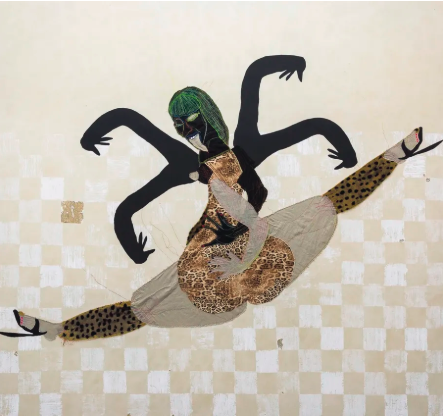
Mixed-media artist Tschabalala Self has developed a distinctive visual language that blends painting, collage, and textile work to explore Black womanhood. Her figures are expressive and exaggerated, constructed from layered materials that reflect the complexity of identity.
Self’s work challenges historic depictions of Black bodies in Western art while celebrating the autonomy and power of her subjects. The result is bold, playful, and deeply political without losing its sense of humor and humanity.
Derrick Adams (@derrickadamsny)
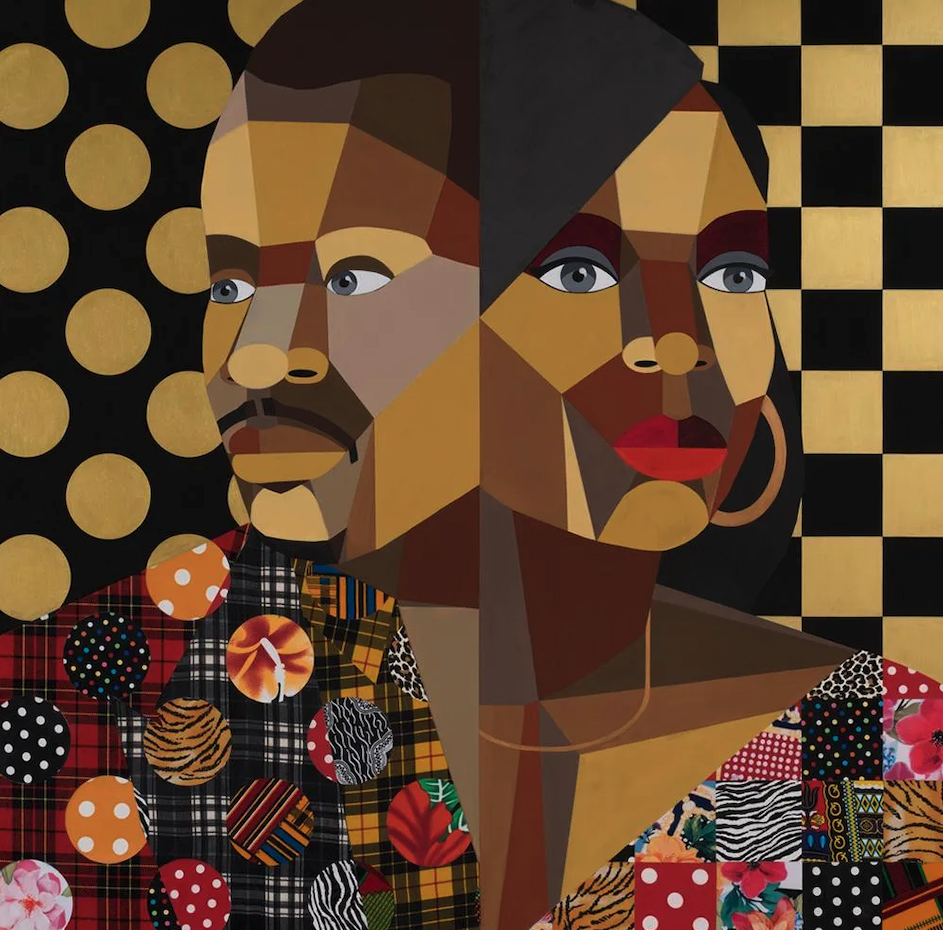
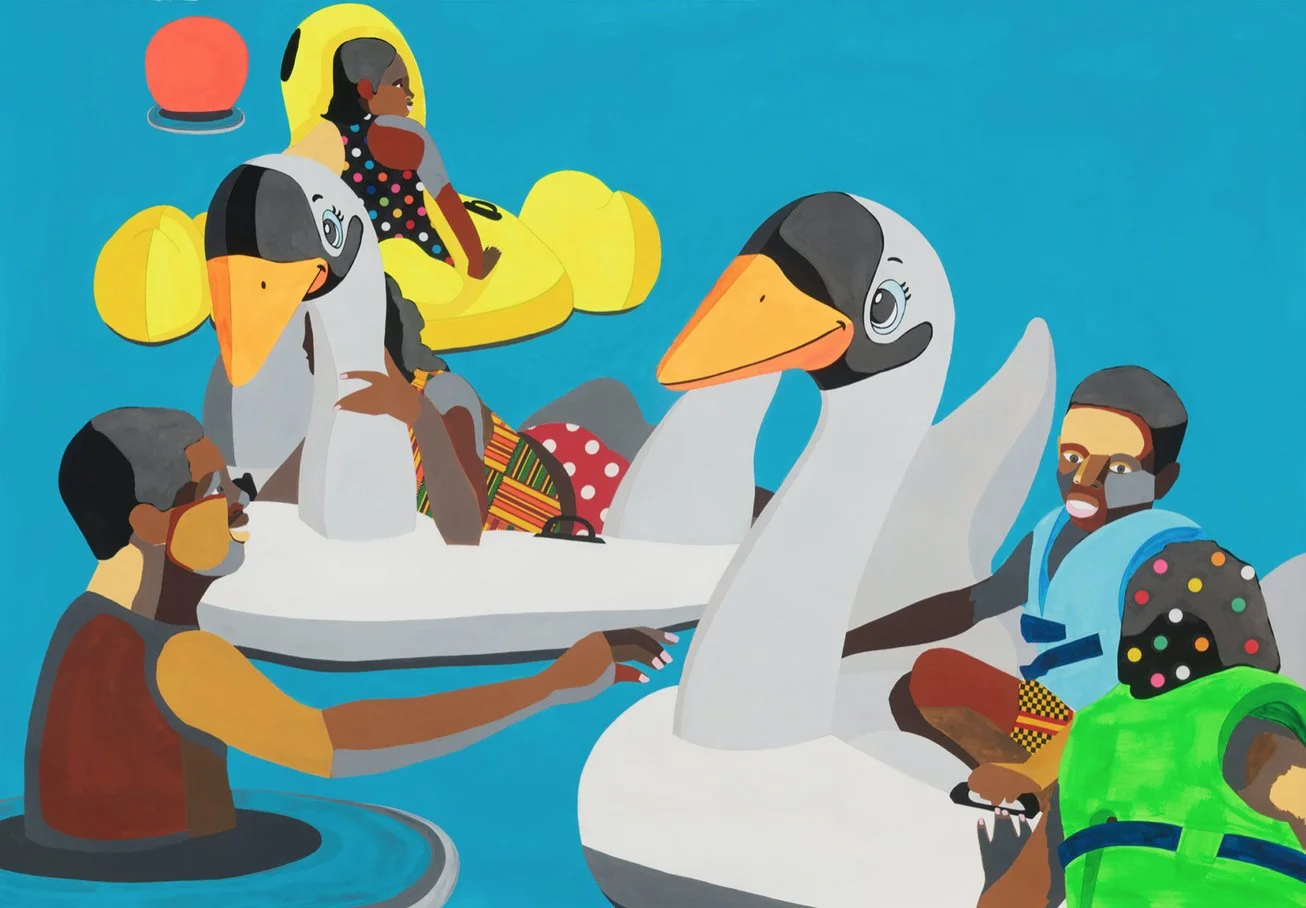
Brooklyn-based artist Derrick Adams works across painting, collage, and sculpture to explore themes of Black joy, leisure, and everyday life. His colorful compositions often depict moments of relaxation — swimming pools, vacations, or quiet domestic scenes.
At a time when Black identity in art has often been framed through struggle, Adams intentionally centers joy and self-possession. His work is vibrant, graphic, and immediately recognizable.
Sasha Gordon (@sashaagordon)
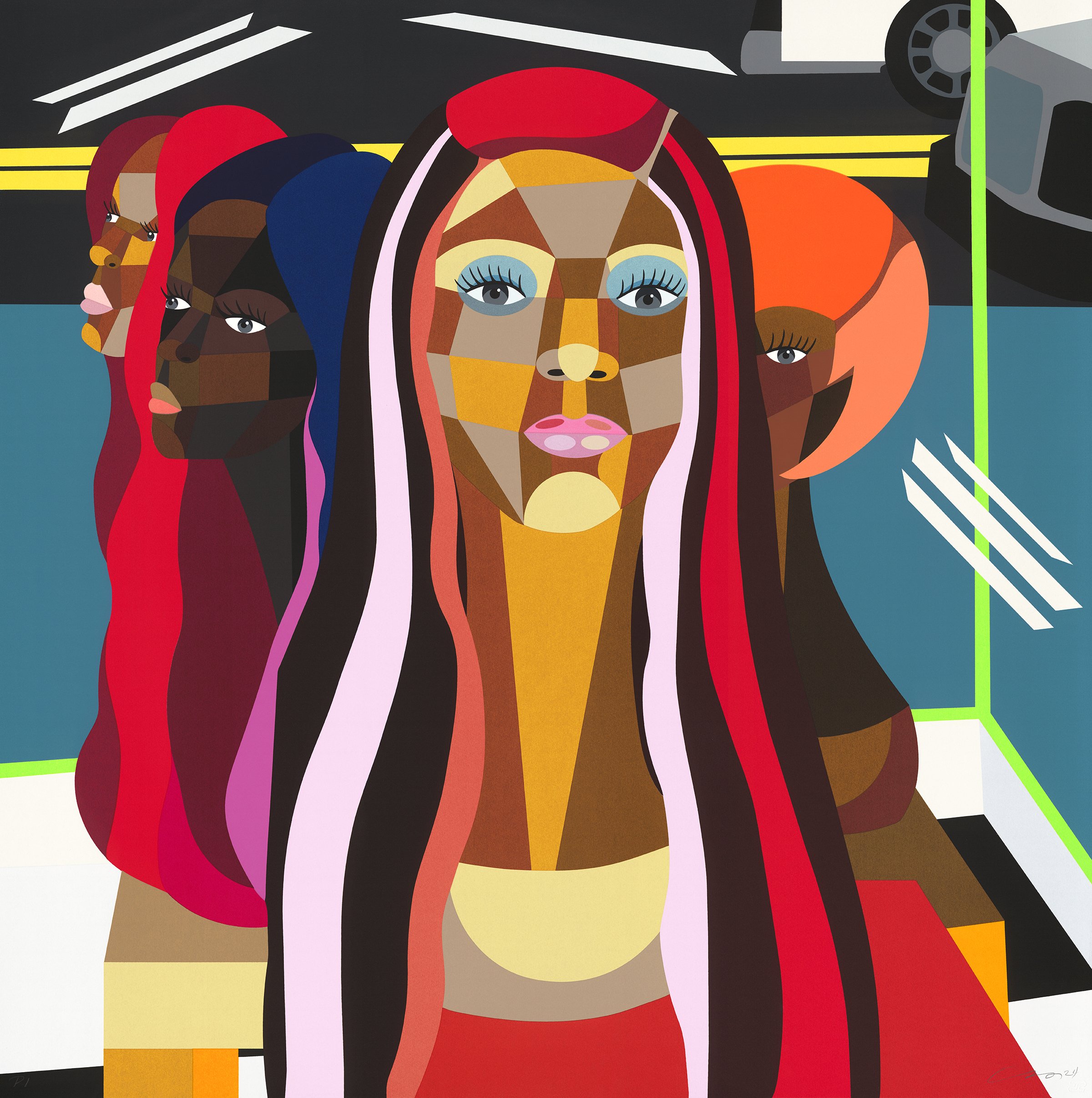
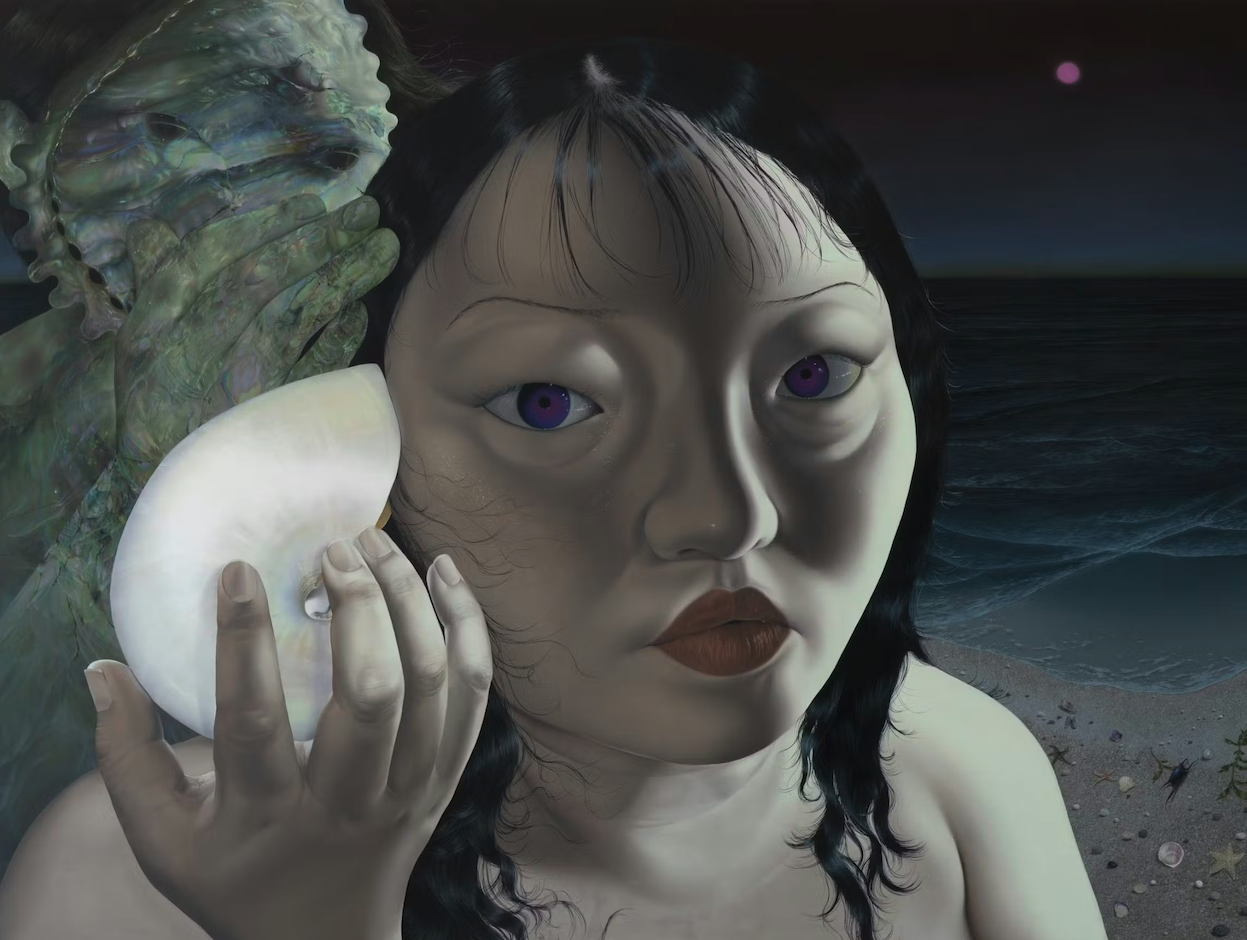
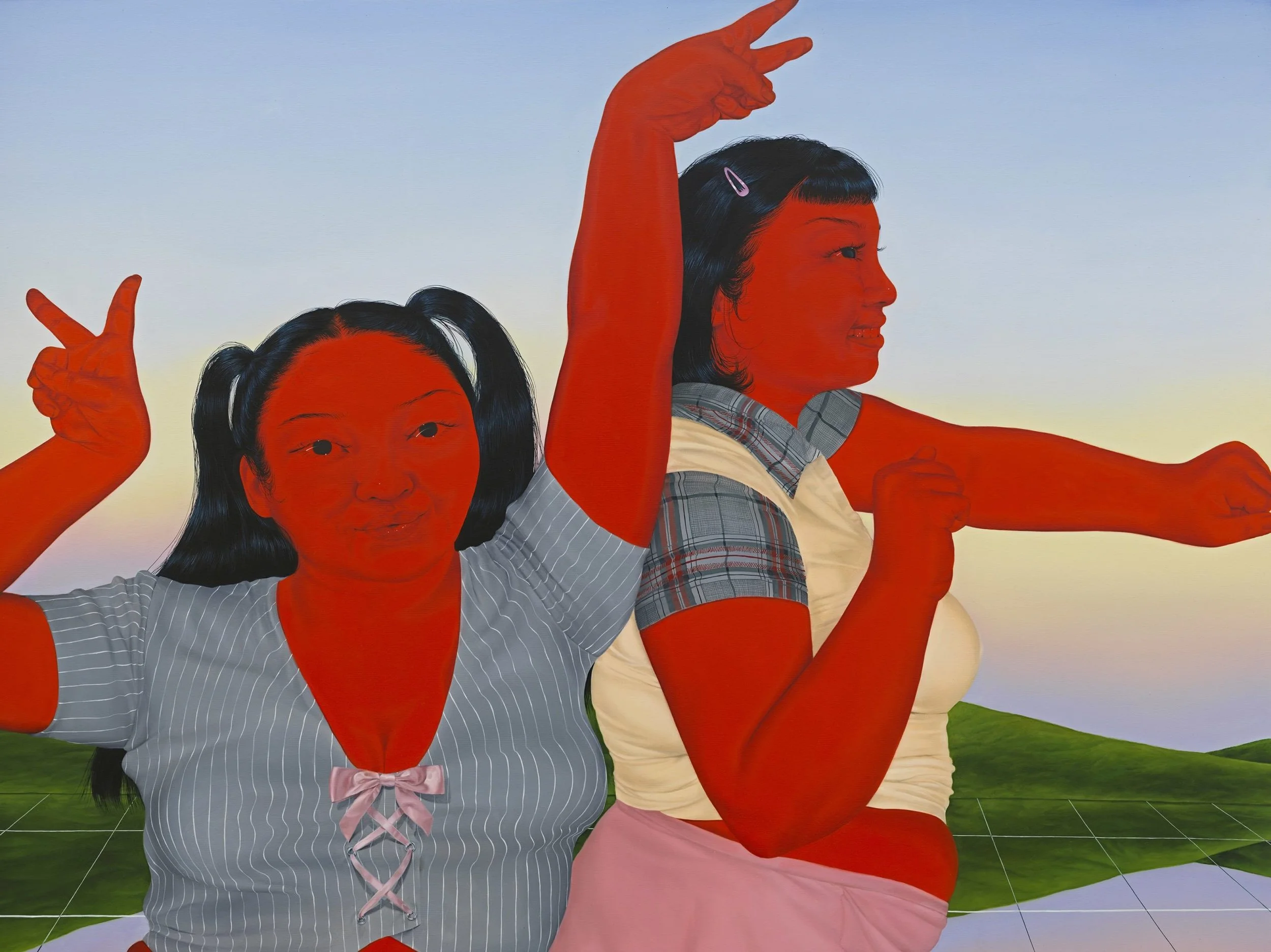
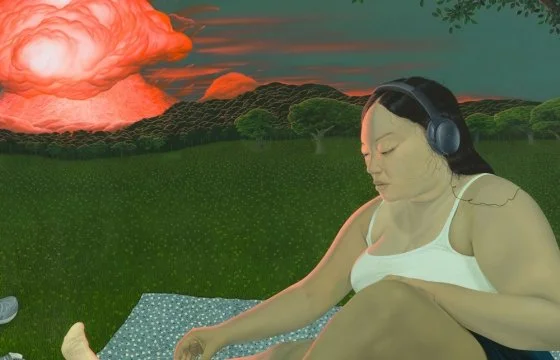
Painter Sasha Gordon brings a deeply personal perspective to her work, drawing from her Japanese and Caribbean heritage. Her paintings often depict quiet moments — a room bathed in sunlight, a person lost in thought, a scene that feels both familiar and dreamlike.
Gordon’s use of color and atmosphere creates an emotional softness that invites viewers into the scene. Her work reflects the layered nature of diasporic identity and the subtle ways culture shapes everyday life.
Aria Dean (@lol_prosciutto)
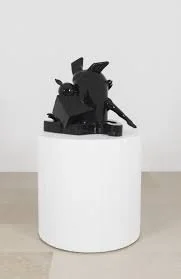
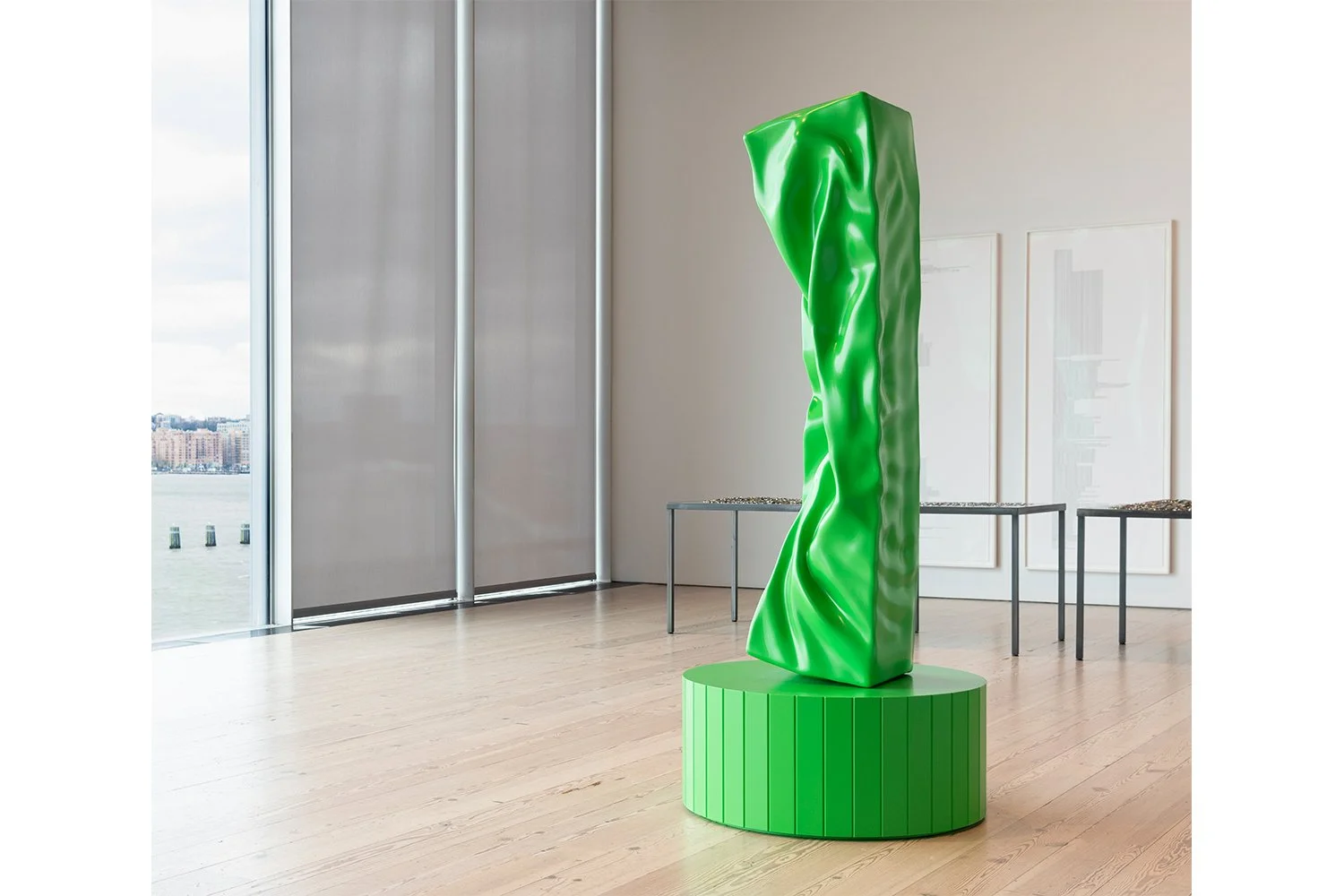
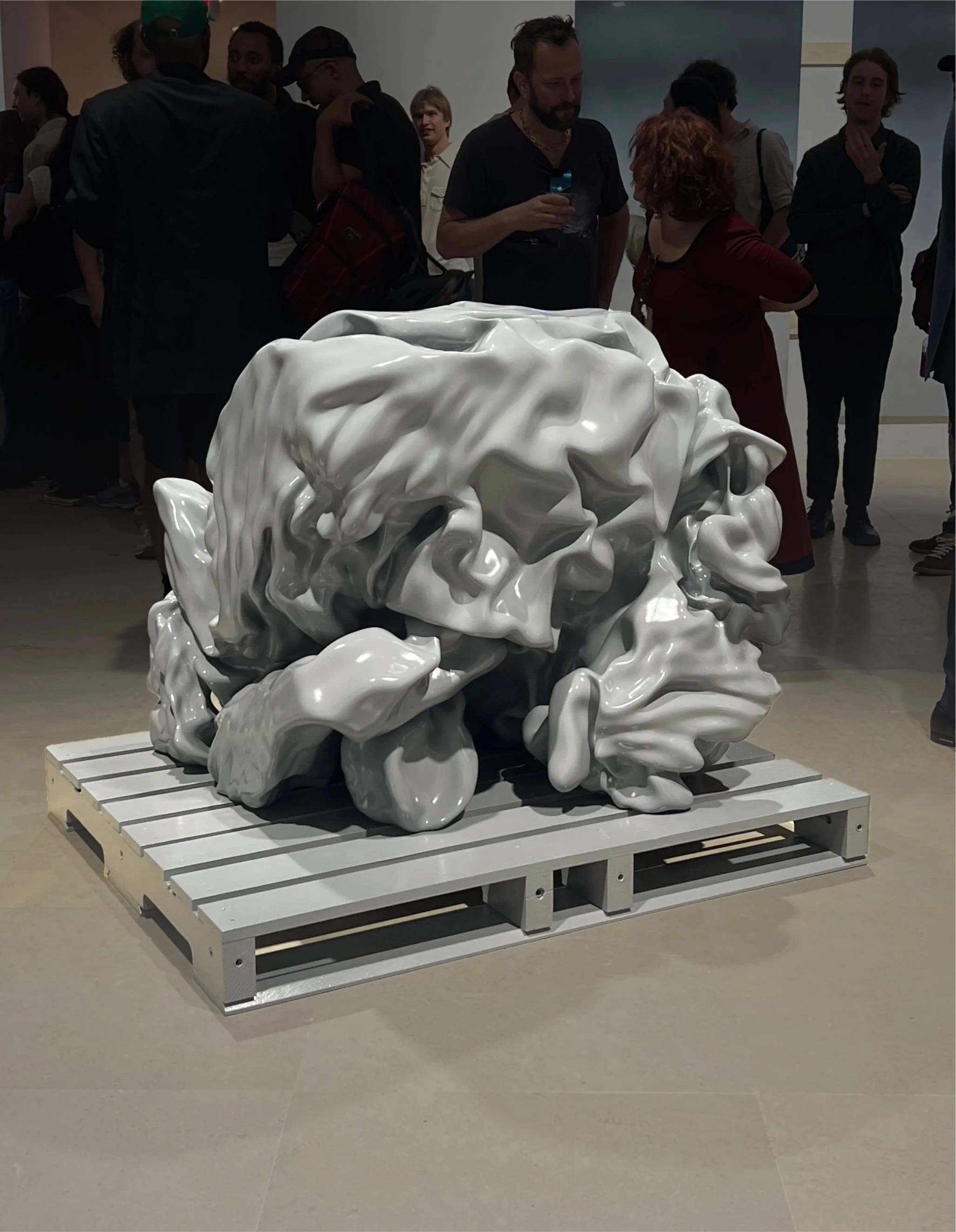
Artist and writer Aria Dean works at the intersection of visual art, technology, and theory. Through video installations, sculpture, and digital projects, she explores how Black identity is shaped by online environments and emerging technologies.
Dean’s work asks urgent questions about visibility in the digital age. Who gets seen? Who controls the narrative? And how does technology influence the way identity is constructed and understood?
The Future of Art Is Multicultural
What connects these artists isn’t just talent — it’s perspective.
They come from a generation that sees culture as fluid, layered, and international. Their art reflects hybrid identities, personal stories, and a willingness to experiment across forms.
For multicultural creatives, art is no longer confined to one discipline or tradition. It’s a space to question, celebrate, and imagine new ways of seeing the world.
The future of contemporary art is being defined by artists like these. Rather than waiting for recognition, they are actively transforming how art is perceived and who shapes its direction. Their work signals a new era in which diverse creators assert their place and lead the conversation.