The World of Kenny Mason: Rap, Punk, Anxiety, and Atlanta
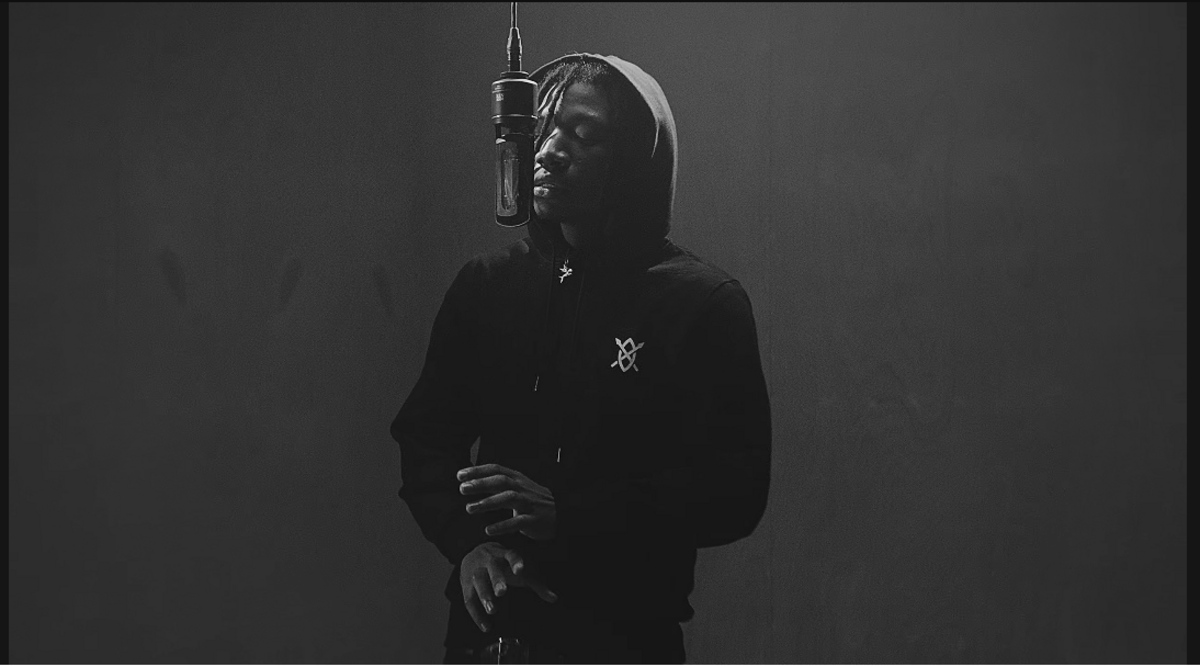
Some rappers make songs for playlists. Kenny Mason makes songs that feel like they are trying to break through the speakers. The first time you hear his music, it feels chaotic in the best possible way. Distorted guitars crash into trap drums. Screamed hooks melt into melodic moments. One second, it sounds like Atlanta rap. The next one feels closer to punk, grunge, or some underground internet genre that does not even fully exist yet.
Kenny Mason has lived in that space for years. Blending rage rap, alternative rock, Southern hip-hop, and emotional storytelling, he has quietly become a key voice shaping rap's future. The wildest part: he still feels underrated.
Coming out of Atlanta, Kenny Mason arrived during a moment when rap was already shifting online. But instead of chasing whatever trend was happening on TikTok or SoundCloud, he built his own sonic world. Early records like “HIT,” “Firestarter,” and “Angelic Hoodrat” introduced an artist who could move between aggression and vulnerability almost instantly. Loud music, emotional lyrics, and distorted energy flow through his work. Underneath it all, the music is still deeply personal. That emotional tension is what makes his music hit differently.
A lot of artists who blend rock and rap right now treat it like an aesthetic. Kenny Mason actually understands both genres emotionally. You can hear the influence of punk bands, Southern rap legends, and internet-era chaos all in one place. It never feels forced. Even Kenny himself has talked about being inspired by the heaviness of guitars and emotional melodies. Those influences became foundational to his sound.
What sets him apart from many of his peers is how naturally he moves between those worlds. Songs like “SHELL” and “HOODRAT” sound explosive and almost destructive. But records like “ANGEL EYES” or “EVERYBODY KNOWS” carry emotional openness underneath the intensity. The production feels huge, yet the writing still feels intimate.
That duality really came into focus on projects like 9 and Angel Eyes. On 9, tracks like “JUMPIN IN” and “FEEL IT” showed how sharp his songwriting and pacing have become. There is still aggression there. But now there is more control as well. He shows more confidence in letting songs breathe instead of constantly exploding.
Then came Angel Eyes, which might be one of his most emotionally complete projects so far. Songs like “INTUITION,” “RELIEF,” and “HOW TO SURVIVE” feel reflective. But they never lose the raw energy that defines his sound. You can hear someone processing anxiety, ambition, pressure, and identity in real time.
And now, with newer releases like Pup Pack: 3rd Shift and the recent album BULLDAWG, Kenny Mason feels like he is pushing even further into his own lane. Tracks like “Moonlight,” “BOUNCE WIT ME,” and “WHATUWANNASAY?!” lean into beat switches and mood swings. Punk energy and melodic pivots feel unpredictable but still controlled. That unpredictability matters because rap is changing again.
For years, streaming culture pushed artists toward simplicity. Songs became shorter, cleaner, and more optimized for quick attention spans. Kenny Mason feels like a reaction against that. His music feels messy, loud, layered, and emotional. It is fully alive. Like someone trying to fit too many feelings into one song. Real life rarely falls into neat categories.
That approach resonates deeply with younger audiences. Honestly, Gen Z culture feels fragmented in a similar way. Internet humor, anxiety, hyper-awareness, nostalgia, anger, vulnerability—all collide constantly. Kenny Mason’s music sounds like living online while trying to survive emotionally. Visually, he understands world-building too. His videos, artwork, and performances carry the same restless energy as the music. Nothing feels overly polished or focus-grouped. Everything feels instinctive.
That authenticity is probably why artists like Denzel Curry, JID, and Paris Texas naturally orbit him. Kenny Mason is part of a generation pulling rap away from rigid genre rules. They are bringing rap back toward emotional honesty and experimentation. It does not feel like he is chasing the future. It feels like he already lives there.
If you’ve missed him until now, take this as your signal.