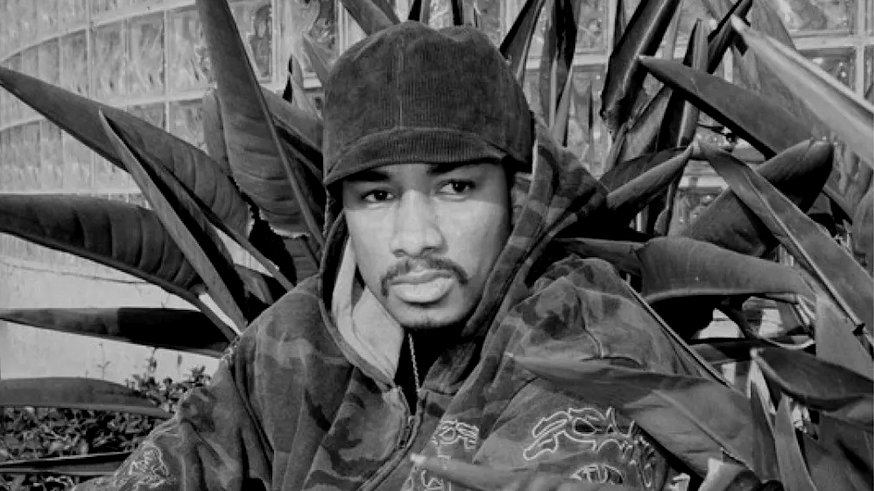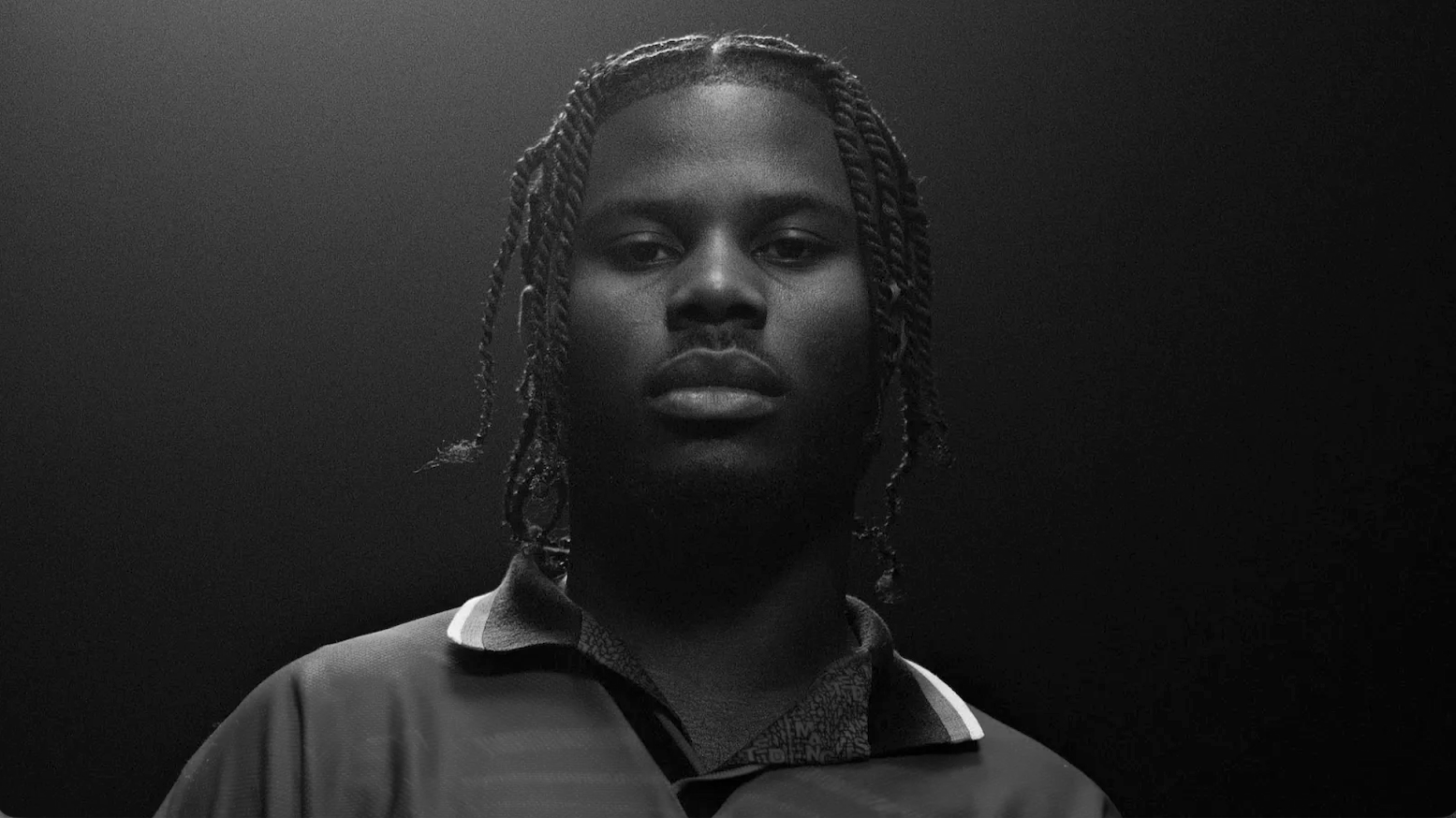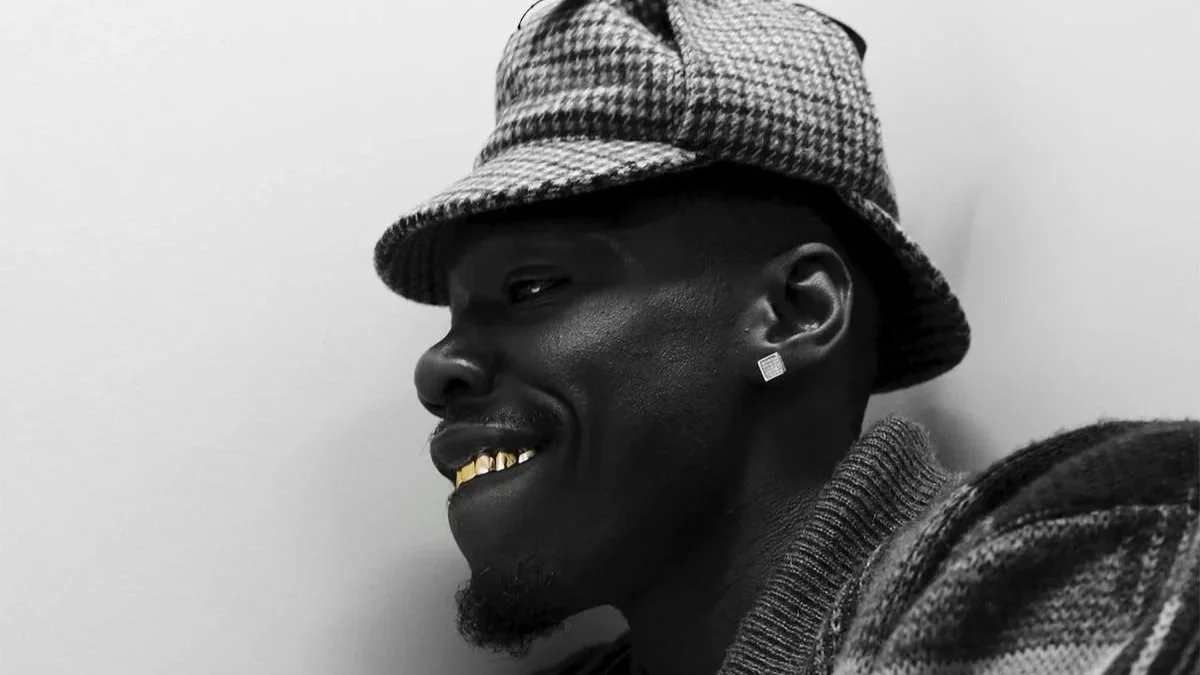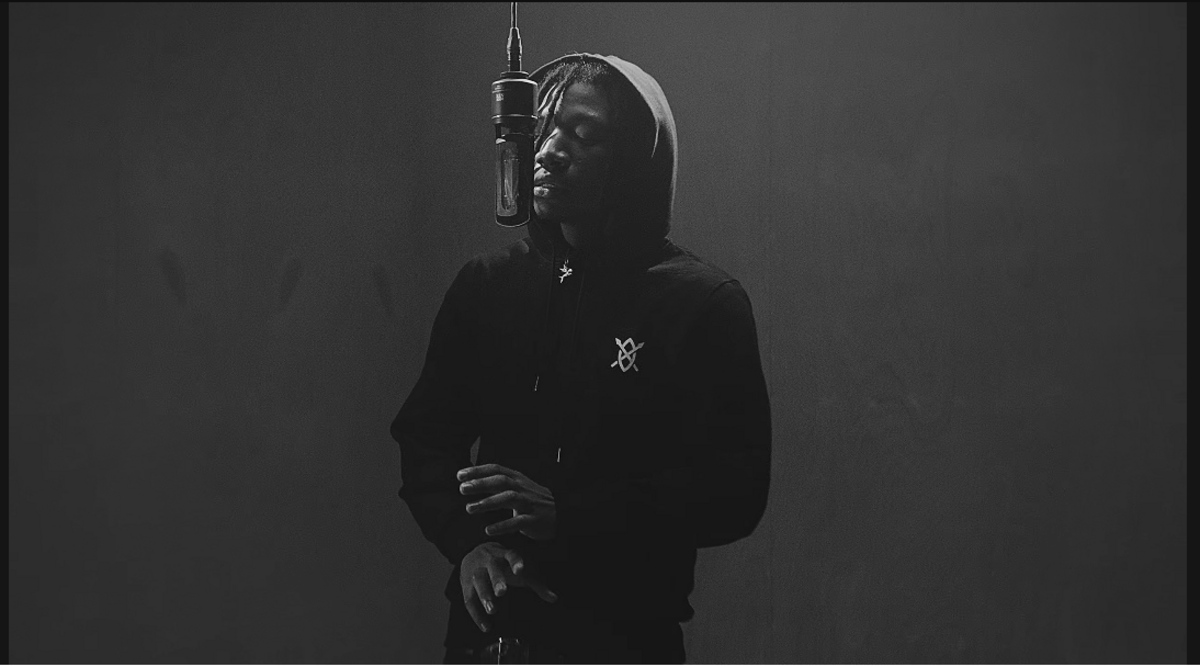
Akeem Ali: Rap Bravado
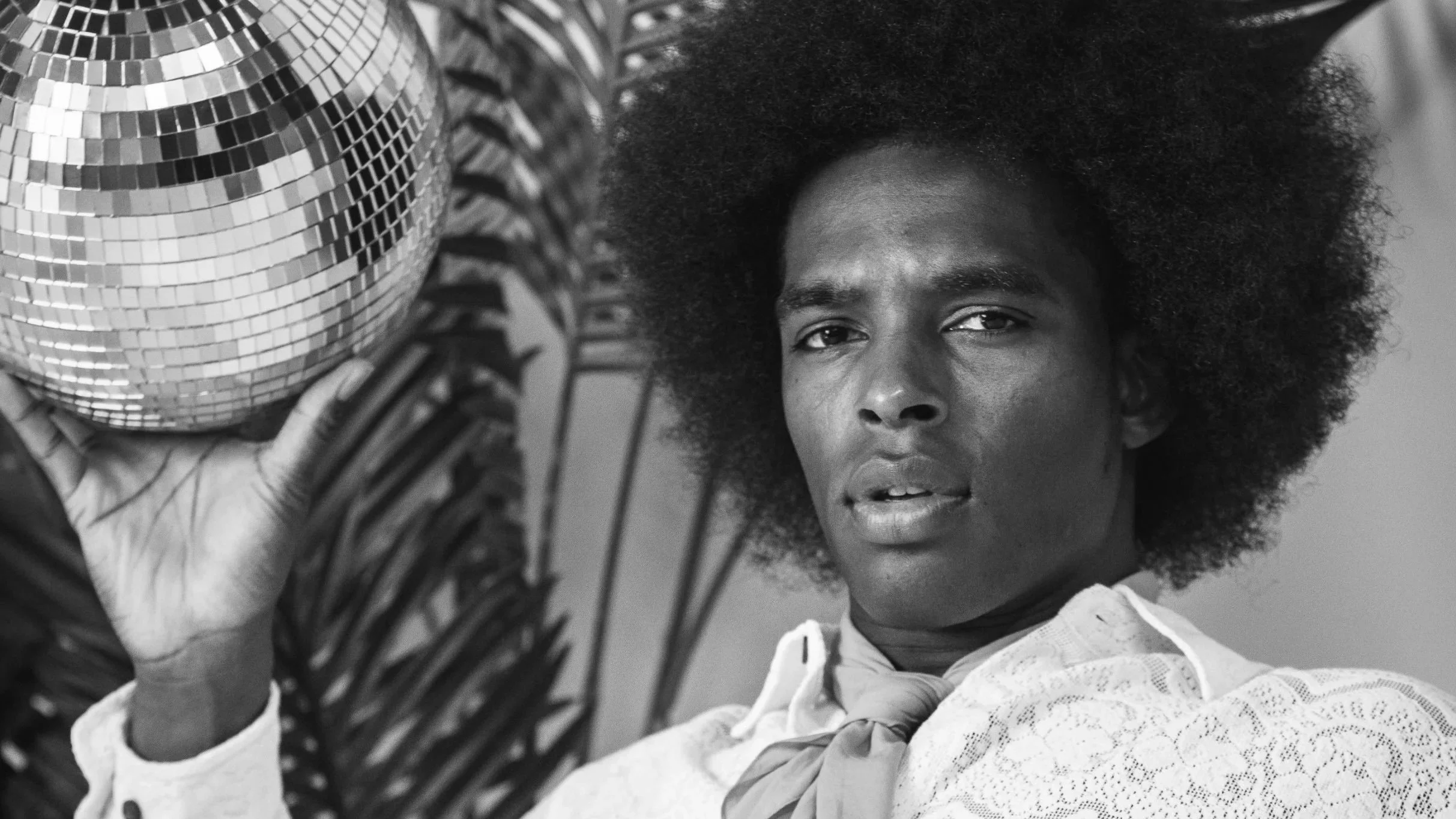
For a while, rap became saturated with seriousness—darker, moodier, and emotionally distant. Even confidence felt drained. Then Akeem Ali entered, revitalizing the genre with vibrant charisma and reminding the culture that personality is crucial for keeping rap exciting and relevant.
Not forced confidence. Not algorithm-friendly, cool. Real swagger.
At VOYD, we pay attention to artists who build their own universe, not just chase what’s trending. Akeem Ali is one of those artists. He’s done this for years, blending Southern rap, funk, pimp-hop storytelling, smooth-talking soul music, and internet-age humor into an inimitable lane. Rap needed that energy again.
A lot of people first discovered him through the now-iconic “Keemy Casanova” persona, a character that feels part old-school player, part comedian, part philosopher, and part Southern rap superhero. Tracks like “Keemy Casanova,” “The Mack,” and “Playa 2 Playa” helped establish that identity early. Smooth delivery, sharp punchlines, exaggerated confidence, and enough personality to make every song feel cinematic.
What’s more, beneath all that swagger, Akeem Ali brings real craftsmanship. His writing is smarter than people realize; the humor lands because the details are so specific, and the confidence stems from his controlled timing and delivery. He understands rhythm in a way deeply tied to Southern rap traditions, yet remains distinctly modern.
That balance is difficult to pull off.
That balance is difficult to pull off—but his more recent releases show how much his sound continues to evolve. The 2025 projects, The Texture Tape and The Texture Tape 2, expand his world beyond Keemy Casanova, blending funk, soul, smooth R&B textures, and conversational storytelling into something richer.
Songs like “Good Looking Adjectives” feel playful on the surface, but underneath the humor is someone with a deep understanding of melody and pacing. The track moves effortlessly, almost like a freestyle drifting through memories, flirtation, jokes, and observations all at once.
Then there is “Latex,” one of his more recent singles, which leans more heavily into sensual R&B territory. The production feels softer and more intimate, but he still carries that same sharp personality throughout the record. It reveals another side of him without losing the identity people connected with in the first place.
Akeem Ali's versatility is essential: he doesn't just make joke records or nostalgia-driven music; he crafts a character-driven world where confidence, vulnerability, humor, romance, and storytelling all converge. This depth gives his work real cultural resonance right now.
A lot of younger artists are moving away from hyper-serious performance and leaning into personality, texture, and individuality. People want entertaining artists who feel authentic—just expressive. This shift is happening simultaneously across music, fashion, and internet culture.
Akeem Ali fits directly into this cultural moment.
You can hear influences from Southern legends like Outkast’s inventive production, Too $hort’s witty lyricism, and Big K.R.I.T.’s soulful storytelling in how he blends humor, funk, and narrative—but it never feels like imitation. He filters these inspirations through internet-era creativity and meme culture, keeping everything current and helping explain why his fanbase continues to grow organically.
Nothing about him feels manufactured. Even his exaggerated confidence feels authentic because it is rooted in creativity rather than image management. He understands performance as an art form, and every character choice feels intentional. His live performances bring the same charisma as his records—a fuller personality experience than a traditional rap show.
That distinction matters: Artists who last create immersive worlds, not just songs. Akeem Ali’s commitment to this approach anchors his growing influence and shows why personality—and vision—are essential today.
The best part is that he still feels underrated compared to how influential his style is already becoming. You can see pieces of his humor, confidence, and Southern smoothness showing up more and more across younger internet-era rap acts. That usually means something bigger is coming. So consider this your signal if you somehow missed him until now.
Start with “Keemy Casanova.” Move into “Good Looking Adjectives.” Then let “Latex” play late at night when the city feels quieter than usual. Because Akeem Ali is not just making rap songs. He is bringing personality back into music.