The New Face of Anime Is Multicultural
For a long time, anime felt like a secret.
It was something you discovered late at night on Adult Swim. It was passed between friends on burned DVDs or stumbled upon online before algorithms started feeding it to everyone. Back then, being an anime fan in America—especially if you were Black or Latino—often meant explaining yourself constantly. Now? Anime is everywhere.
And this isn't just about access. The audience now finally looks more like the real world: anime has quietly become one of the most powerful global entertainment forces on the planet, especially among Gen Z. Recent research shows that nearly 50% of Gen Z viewers watch anime weekly, with anime fandom among younger audiences rivaling that of major sports and pop culture fandoms. In the United States specifically, Morning Consult data found that the anime fandom is incredibly multicultural, with 28% of fans identifying as Hispanic, 18% as Black, and 7% as Asian.
This widening audience is significant because anime was not always seen as a space built for everyone. Early anime often lacked visible diversity, especially when it came to Black and brown characters. A lot of classic series either ignored multicultural identities entirely or leaned into stereotypes that felt flat, awkward, or outdated. Even as anime became more global through the 1990s and early 2000s, representation still lagged behind the audience embracing it. But the audience never stopped growing anyway.
Despite those limitations, part of that growth came from the emotional depth anime offered that Western media often struggled to deliver. Naruto resonated deeply with kids who felt overlooked, isolated, or underestimated. Naruto’s entire story is built around rejection, loneliness, perseverance, and carving out your own identity in a world that doubts you. For a lot of Black, Latino, and Asian kids growing up in America, that did not feel abstract. It felt familiar. Anime connected emotionally before it connected culturally.
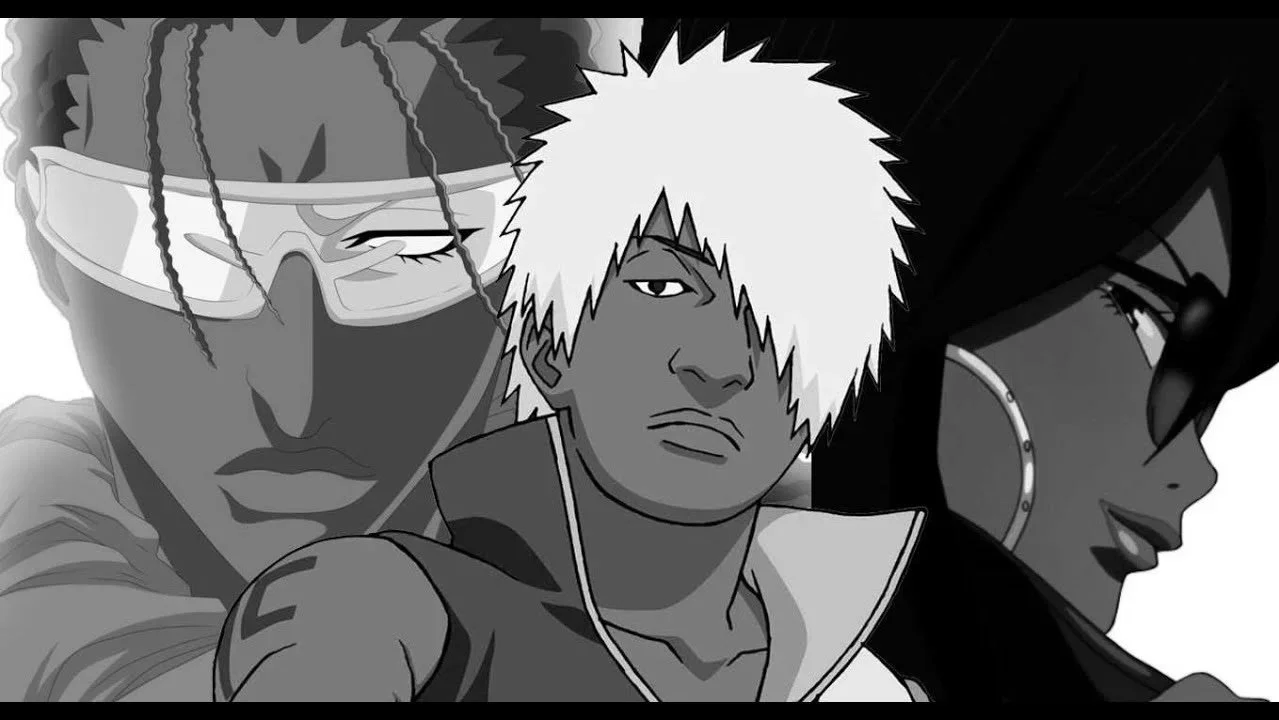
Then came Afro Samurai, and everything shifted a little. Samuel L. Jackson gave his voice and creative involvement to the project. Afro Samurai became a clear example of anime embracing Black identity rather than avoiding it. The show fused samurai mythology, hip-hop aesthetics, Black style, and futuristic storytelling. It felt genuinely groundbreaking at the time.
That breakthrough paved the way for a bigger change. More importantly, it proved studios could reach a massive global audience craving broader representation. Now, that influence appears everywhere. Modern anime embraces multicultural storytelling, experiments with genre, and develops more nuanced character identities. You see this in smash hits like Attack on Titan, Jujutsu Kaisen, Demon Slayer, and One Piece. The change, however, shows just as strongly in the evolving fandom.
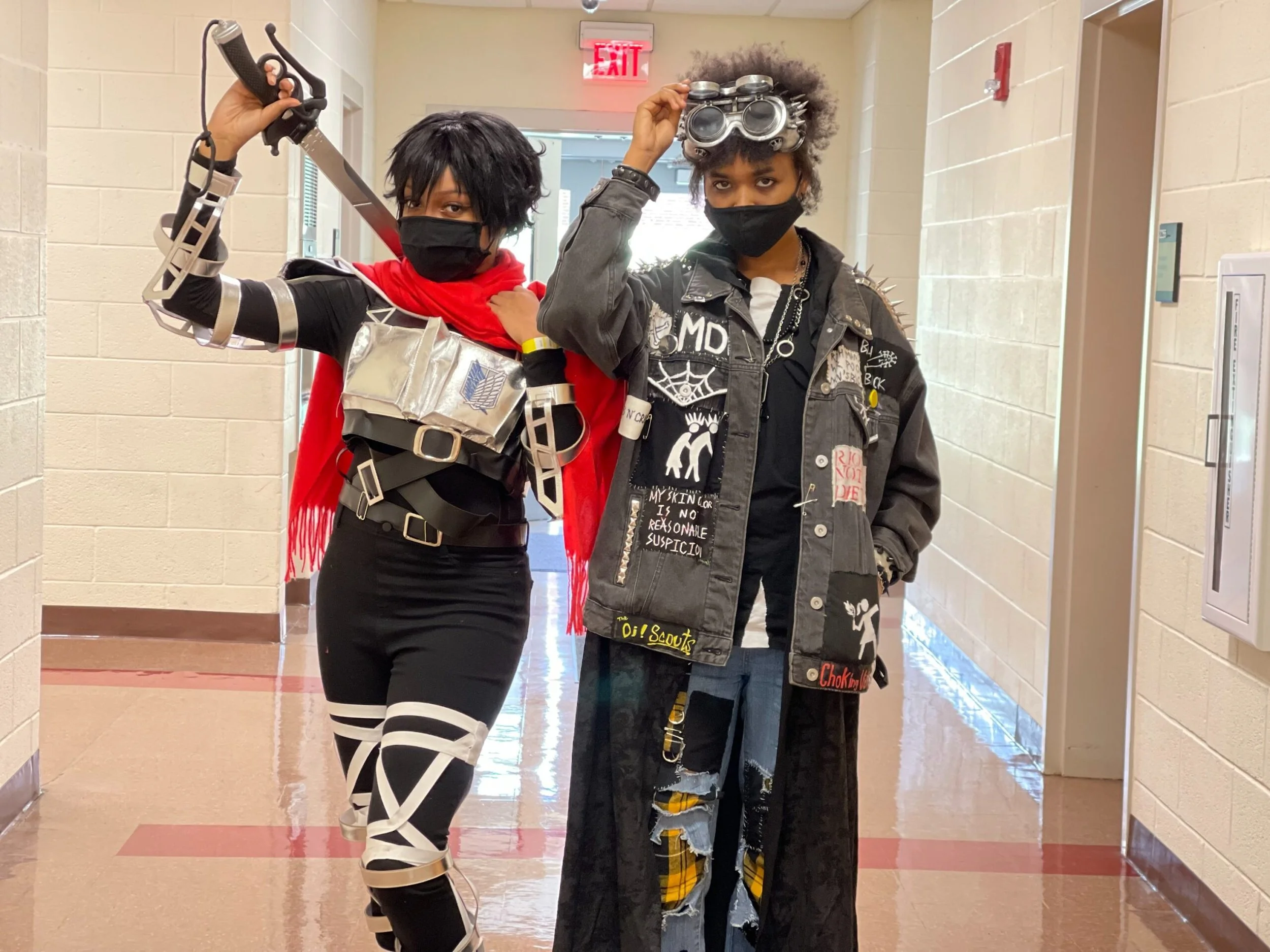
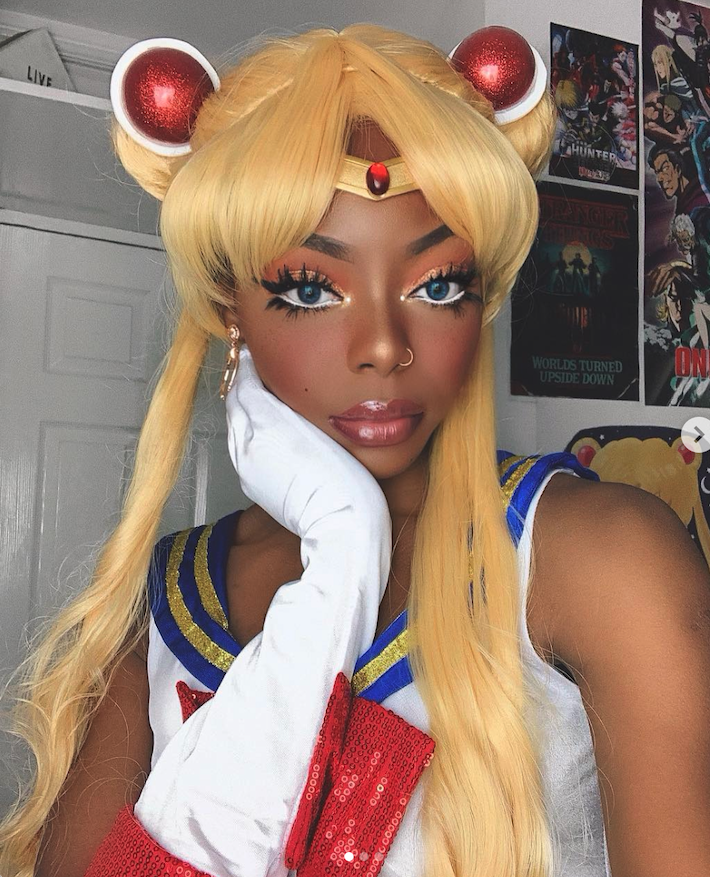
Anime conventions no longer feel niche or isolated. Walk into Anime Expo, DreamCon, or Comic-Con now, and you will see every type of person imaginable. Cosplay culture is a huge reflection of that shift. Black anime fans, Latino creators, Asian American communities, and LGBTQ+ audiences no longer hide their identities. Instead, they bring their own creativity into the space.
This generational energy continues to transform the space. A recent Crunchyroll study found that over 59% of teenagers identify as active anime fans, and younger viewers emotionally connect with anime more deeply than with traditional entertainment. Another study showed that nearly half of Gen Z globally watches anime weekly.
As a result, that level of engagement changes the industry. Streaming platforms like Netflix and Crunchyroll helped turn anime from a subculture into mainstream global entertainment. But audiences are now asking for more than just accessibility. They want representation. More varied storytelling. More layered identities. More stories that reflect the world they actually live in.
Encouragingly, anime is responding—albeit slowly. The industry still has work to do. Representation is not perfect, and criticism around stereotypes, cultural blind spots, and diversity gaps still matters. But the shift is undeniable. Anime is becoming less about one country exporting stories outward and more about global audiences shaping what those stories become next.
That is why anime feels bigger than just entertainment now. It has become a cultural language. A place where Black kids from Chicago, Latino skaters in LA, anime fans in Nigeria, and teenagers in Tokyo can all obsess over the same characters, same fights, same emotions, and same worlds at the exact same time.
That might be the most powerful thing about anime’s evolution. It no longer belongs to just one audience. It belongs to everyone willing to see themselves inside it.