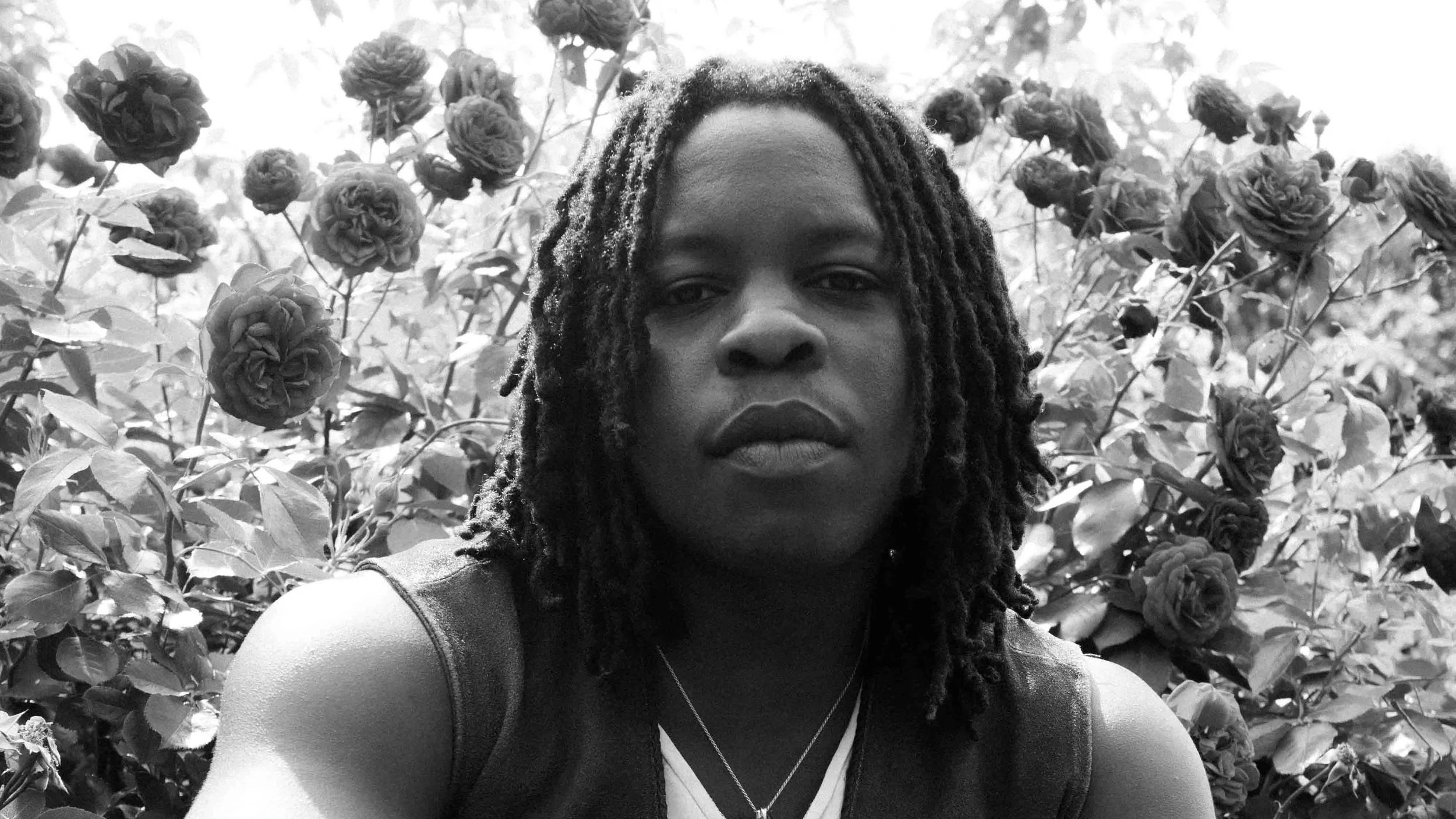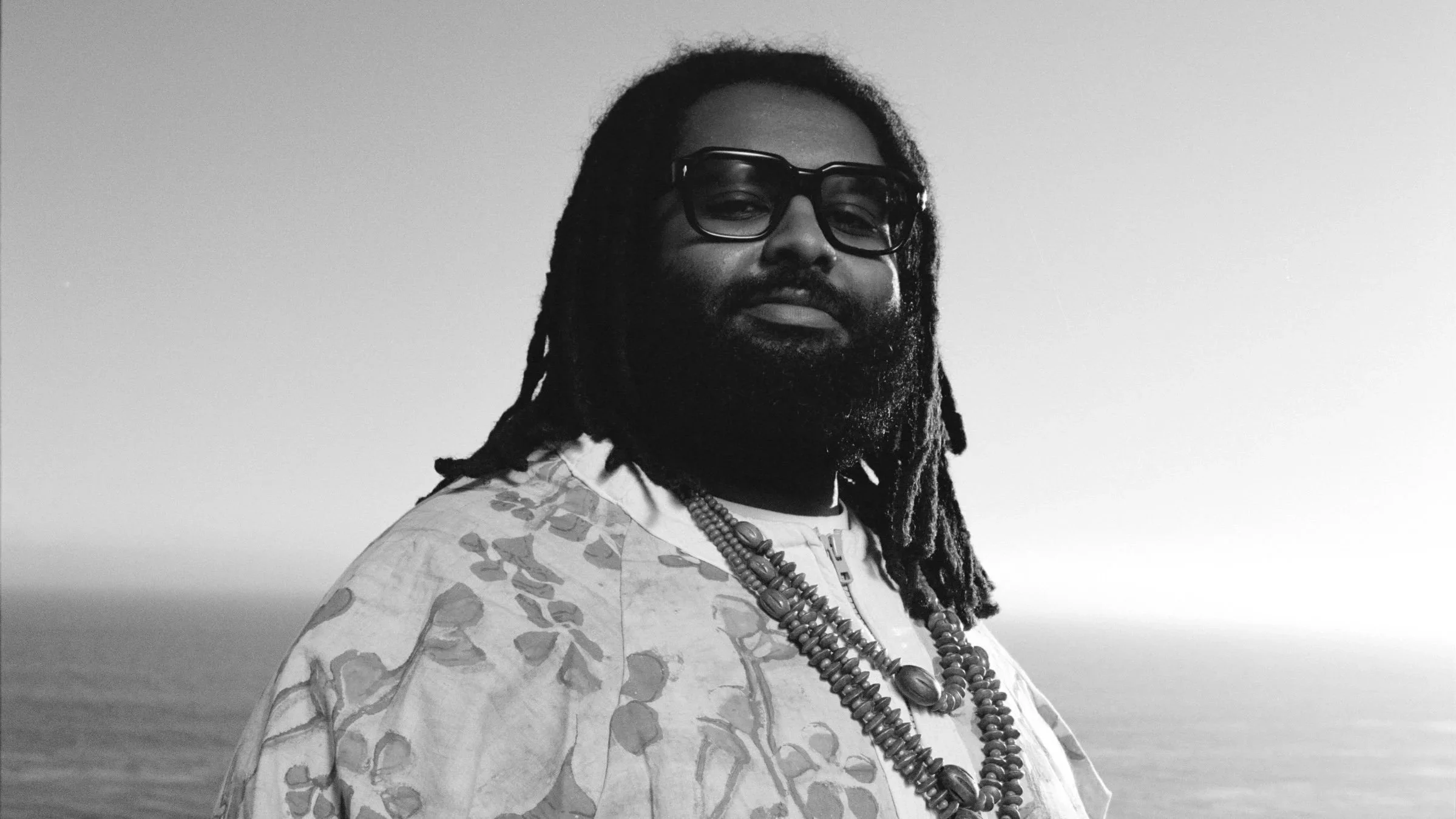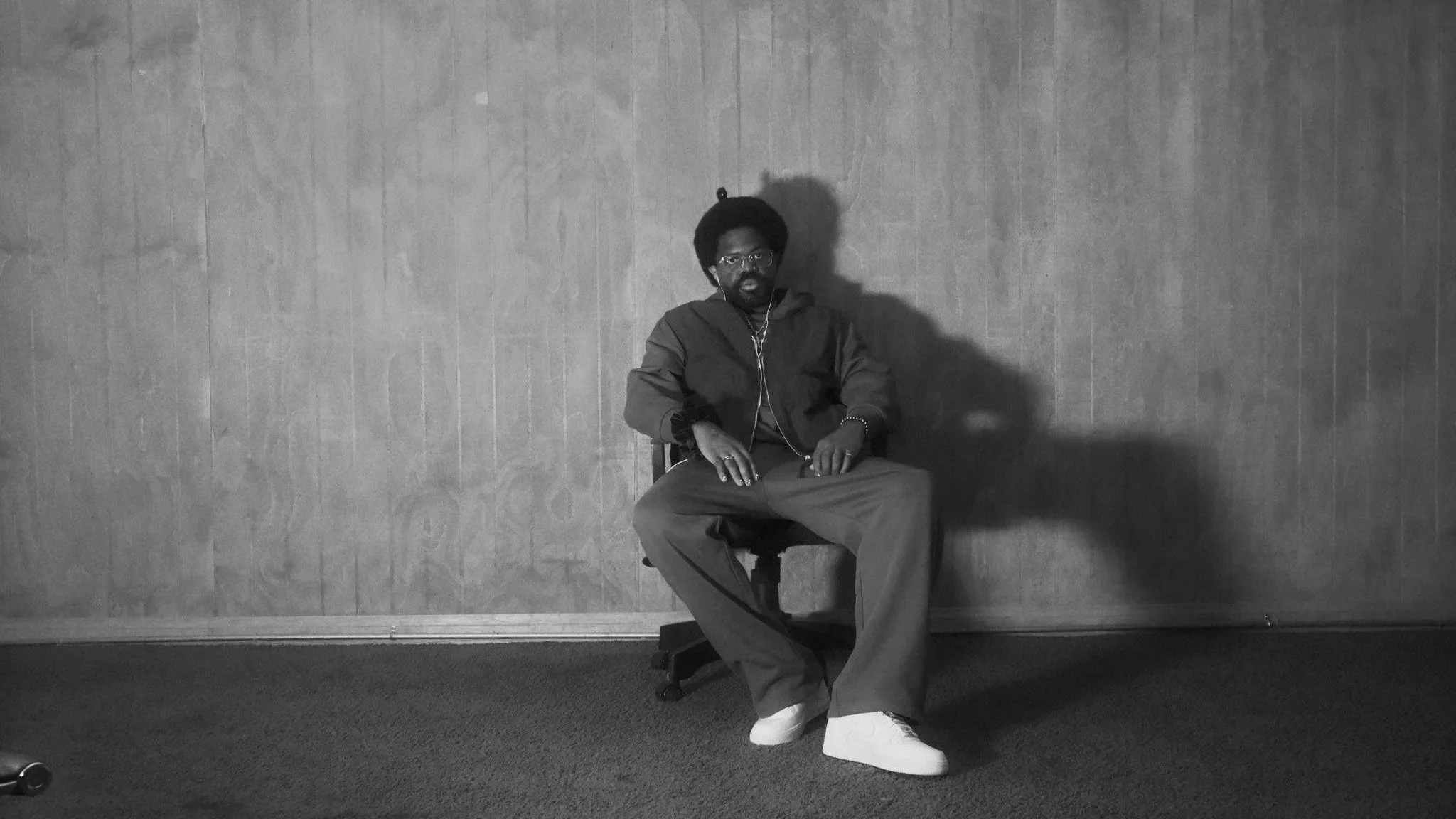
No Borders. No Boxes. Just Saint Levant.

Every few years, an artist arrives who quietly exposes how small the music industry still thinks.
Saint Levant is one of those artists.
Not because he's reinventing pop. Not because he's the loudest voice in the room. Quite the opposite. His music works because it refuses to flatten identity into something easy to market. He raps in English, sings in Arabic, slips into French without warning, and somehow none of it feels like a gimmick. It feels like real life: conversations across dinner tables, group chats, airports, and neighborhoods where culture never fits neatly into one language.
That is exactly why Saint Levant matters: he makes the case for a broader idea of what global music can sound like, and why it should move past old boxes.
For decades, the music industry has treated multilingual artists like they belong in separate lanes. Latin music goes here. Afrobeats goes there. Arabic music gets placed in "world music," a label that has always felt more like a marketing shortcut than an actual genre. Saint Levant ignores all of those boxes, and his catalog lives where young people actually listen, where playlists jump from Drake to Burna Boy, from Rosalía to Fairuz, from Brent Faiyaz to Cairokee without anyone stopping to think twice.
That's not a trend.
It's culture in 2026.
Born Marwan Abdelhamid, Saint Levant's story is inseparable from his music. Raised between Jerusalem, Gaza, Jordan, and later France, his worldview was shaped by movement, displacement, and adaptation. Instead of making those experiences the sole subject of his music, he lets them color everything, and that choice leads into how his work lands. His songs aren't lectures about identity. They live inside it.
That difference matters because it shapes how his story lands.
Too many artists are asked to explain where they come from before anyone listens to what they have to say. Saint Levant has found a way to make his heritage visible without letting it become the only headline.
His breakout single "Very Few Friends" captured that balance perfectly. The record moved effortlessly between languages while delivering a level of vulnerability that felt refreshing in an era where coolness often outweighs honesty. It wasn't just the multilingual lyrics that resonated. It was the confidence to be emotionally direct without sounding performative, which is what made the song spread rapidly across TikTok and streaming platforms. People recognized themselves in it, even if they didn't understand every word.
Music has always worked that way, and Saint Levant leans into it.
Emotion translates before language ever does, which helps his songs travel so easily.
That emotional intelligence carries through projects like From Gaza, With Love, where Saint Levant expands beyond viral moments and proves he can build a complete artistic world. The project blends alternative R&B, hip hop, Mediterranean melodies, jazz textures, and understated electronic production into something that feels impossible to categorize. Instead of chasing radio formulas, he creates atmosphere. You don't just hear these songs. You step inside them.
Tracks like "Deira" demonstrate that beautifully. The production is restrained, allowing his multilingual delivery to become part of the rhythm rather than a novelty layered on top of it. Every language serves the emotion of the record. Nothing feels forced. Nothing feels like it's there to impress listeners with versatility.
That restraint is increasingly rare in an era that rewards excess.
The streaming era has rewarded excess. Bigger hooks. Bigger drops. Louder personalities. Faster content. Saint Levant moves in the opposite direction, and that contrast sharpens the point.
Saint Levant moves in the opposite direction.
He trusts silence. He trusts melody. Most importantly, he trusts his audience enough not to explain every cultural reference. That confidence makes listeners curious instead of comfortable.
His latest work continues to refine that formula. Songs released over the past year show an artist becoming more intentional with every project. The production has grown richer, the songwriting more focused, and his ability to weave romance, memory, geography, and identity into the same verse feels increasingly effortless. Nothing about his evolution suggests an artist chasing algorithms. It feels like someone building a catalog designed to last longer than the current social media cycle, and that patience separates careers from moments.
That patience separates careers from moments, and Saint Levant seems to know it.
There is also something politically significant about Saint Levant's success without his music becoming political propaganda. His Palestinian identity is present because it is part of who he is, not because it is deployed as branding. At a time when global conversations about Palestine have become increasingly visible, his existence as a globally celebrated artist quietly challenges the industry's narrow ideas about who gets to occupy international pop spaces, and that makes representation matter even more.
Representation matters, especially when it is carried with this much skill.
Even more important, it needs exceptional songwriting.
What makes Saint Levant compelling is that he never asks listeners for sympathy. He asks for attention. Then he rewards it with records that reveal new details every time you return to them.
His rise also reflects a much larger shift happening across music. Younger audiences no longer separate artists by geography the way previous generations did. They care less about passports and more about perspective. Whether it's Tyla bringing amapiano into global pop, Rema reshaping Afrobeats, or Saint Levant blending Arabic lyricism with alternative R&B, the future belongs to artists who refuse to reduce themselves to one cultural identity, and that shift is already reshaping the industry.
The old industry asked artists to choose one lane.
This generation is building highways instead, and Saint Levant is part of that shift.
Saint Levant understands something many legacy executives still don't: identity is no longer a niche. It is the story, and that idea closes the arc the piece has been building.
Identity is no longer niche.
It is the story.