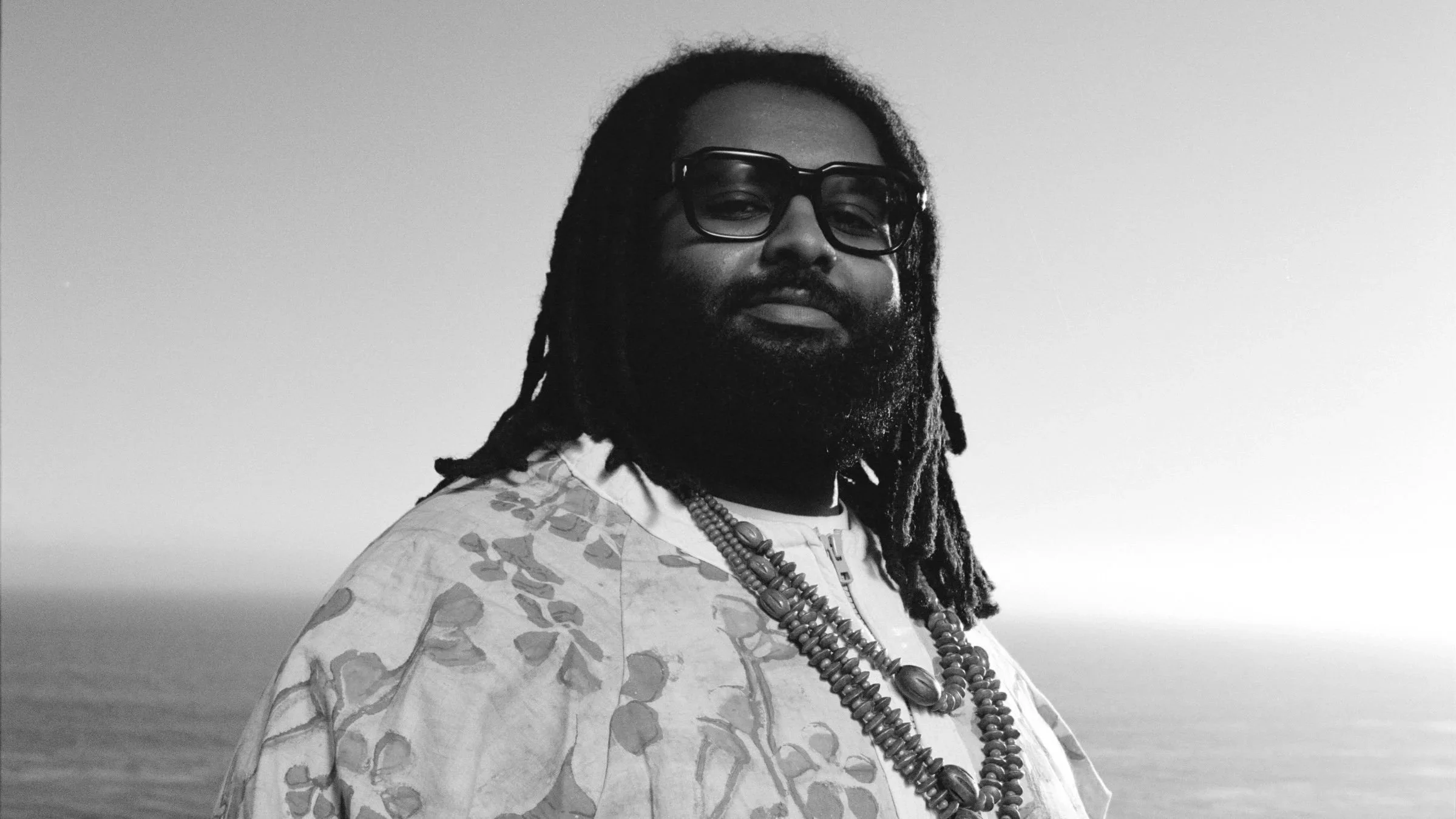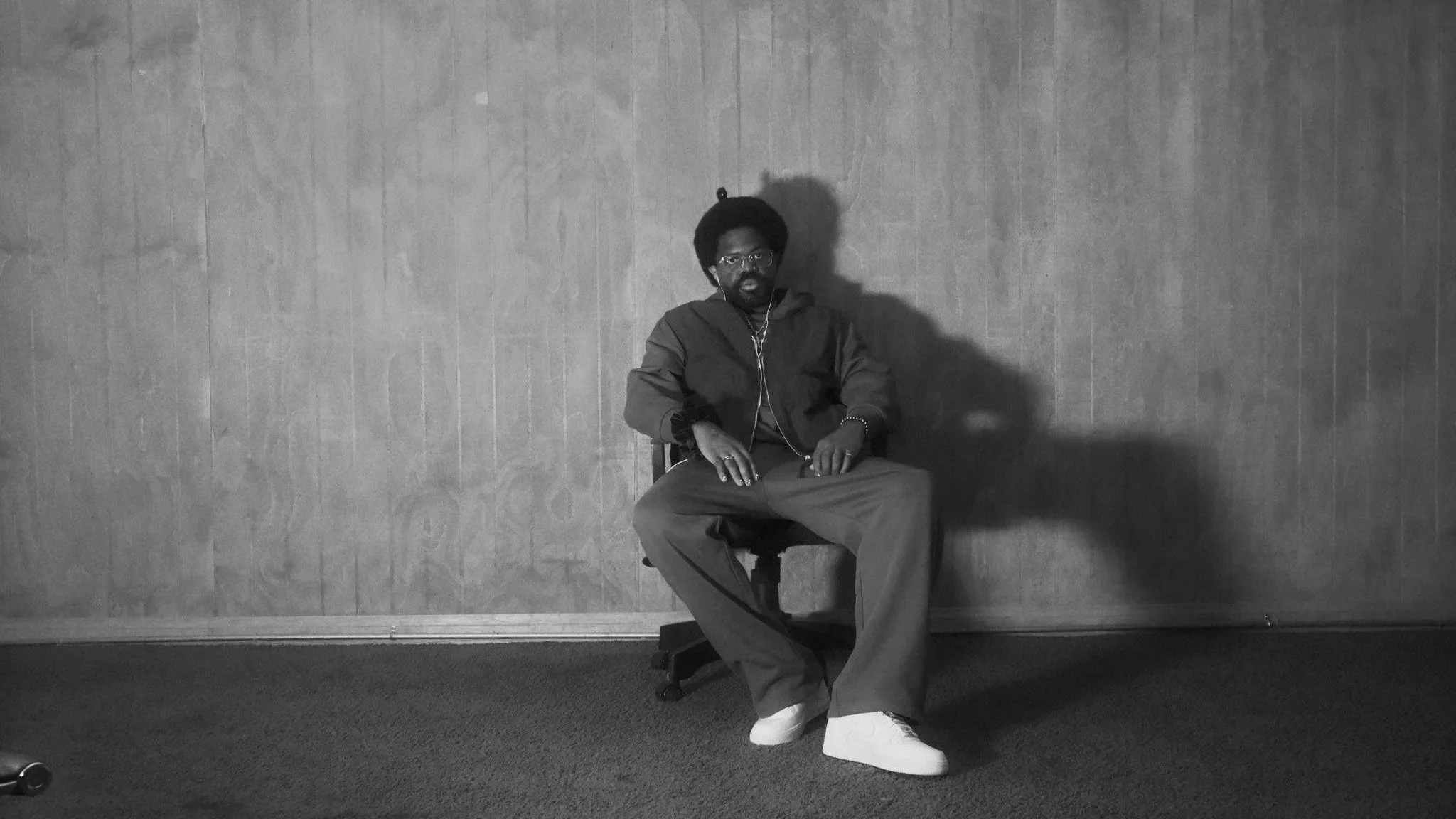
NAT MYERS: BLUES REVIVALIST
For a long time, blues music has been treated as history, discussed with respect but kept at a distance—like a museum piece. Then you hear Nat Myers, and the blues feel dangerous, intimate, and human again.
Nat Myers sits directly in that space. His music carries the fingerprints of old Delta blues, folk storytelling, punk urgency, and modern emotional honesty. It feels ancient and current at the same time. That tension is what makes him so interesting right now.
Born in Kentucky and raised partly in Nashville, Nat Myers grew up surrounded by Southern musical traditions, but his path into music was not polished or predictable. Before recording, he drifted between jobs, skate culture, photography, and underground creative scenes. That wandering energy continues to shape his music, which feels lived in rather than overly refined.
You can hear that on his breakout album, Yellow Peril. Produced by Dan Auerbach of The Black Keys, the record introduced Myers’ stripped-down yet emotionally heavy songwriting. Rather than modernize blues with slick production or genre gimmicks, he leans into its rawness.
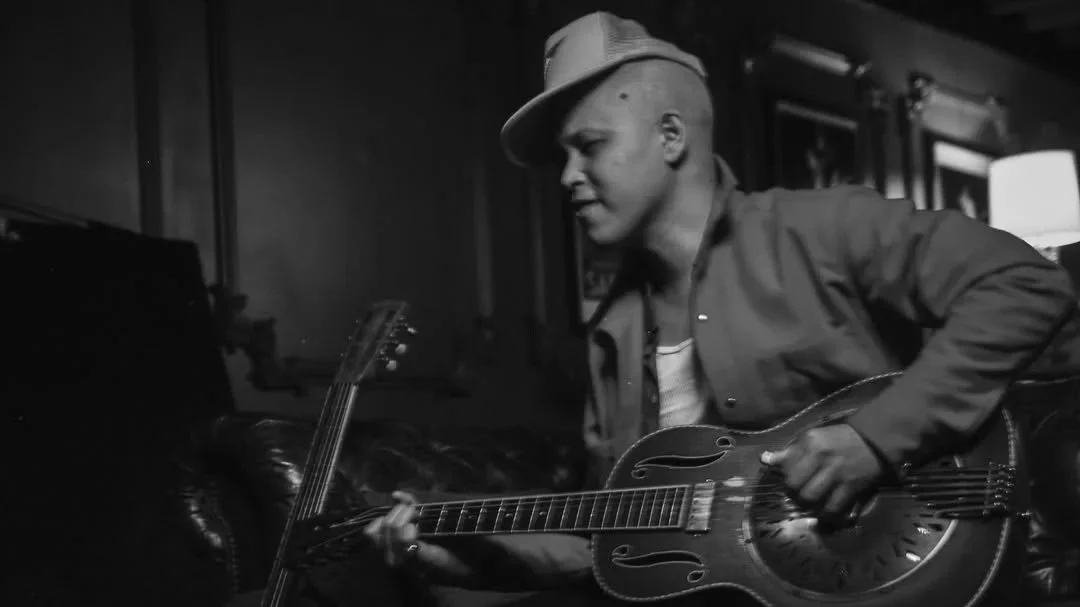
That decision changed everything. Tracks like “Yellow Peril” feel dusty, restless, and deeply reflective. The guitar playing is hypnotic and repetitive, pulling you into a trance. His vocals stay grounded and conversational. There is no overperforming. He sings like someone telling the truth before the feeling disappears.
Nat Myers understands that instinctively. Part of what makes his music stand out is how openly he discusses identity and cultural lineage in blues. Blues music has always been Black music at its core. Yet, over the decades, mainstream stories have stripped away that context. Myers approaches the genre with deep awareness of its history, while making space for himself as an Asian American artist navigating Southern music traditions.
That perspective adds another layer of depth to his work. It reflects a larger cultural shift happening now. Younger listeners are moving away from rigid genre categories. They are becoming more interested in authenticity, roots, and storytelling. You see it happening across folk, country, punk, and blues. Audiences want artists who feel connected to real experiences, not engineered trends.
Nat Myers feels like the opposite of algorithmic music. Visually, his world feels tactile and grounded. Old denim, weathered guitars, grainy photos, smoky bars, roadside Americana. But it never feels like a costume or cosplay. It feels natural because it connects directly to his life and emotions. That honesty is likely why Dan Auerbach recognized something special in him. There is a grit to his songwriting that cannot be manufactured.
While Yellow Peril established him in modern blues, newer performances and singles show him growing more confident without losing the intimacy that first drew listeners in. His live performances carry the same rawness, with extra tension and unpredictability—less concert, more emotional release.
That kind of presence is rare. Much music now feels optimized before audiences ever hear it. Nat Myers makes music out of necessity, and you hear urgency in every record. Artists like him matter—not because he’s "saving" blues, but because he reminds younger audiences these traditions are alive, evolving, and capable of expressing the present moment.
That connection between past and present is powerful. Consider this your signal if you have not tapped in yet. Nat Myers is not reviving the blues. He reminds people that it never died.