Cure For Paranoia: Bigger Than Music
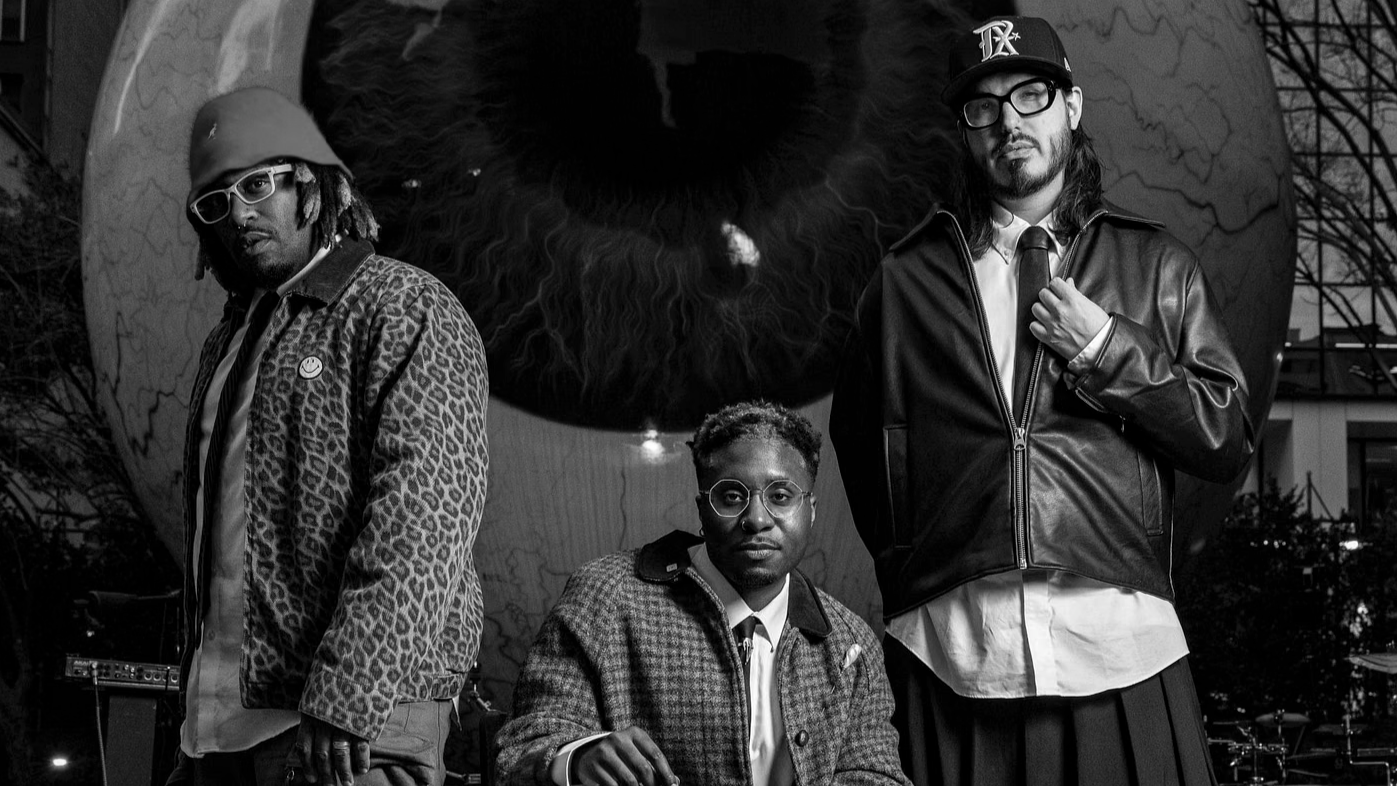
This Dallas collective has never been interested in following the loudest trend or chasing the fastest algorithm. They have quietly built one of the most thoughtful and exciting catalogs in independent hip-hop by creating music that asks bigger questions about identity, community, growth, faith, purpose, and how we move through a world that rarely slows down long enough for us to reflect.
Cure for Paranoia’s music is soulful, layered, and deeply intentional, blending hip-hop, jazz, funk, alternative soul, and live instrumentation into a sound that defies easy categorization.
That is exactly what makes them worth paying attention to.
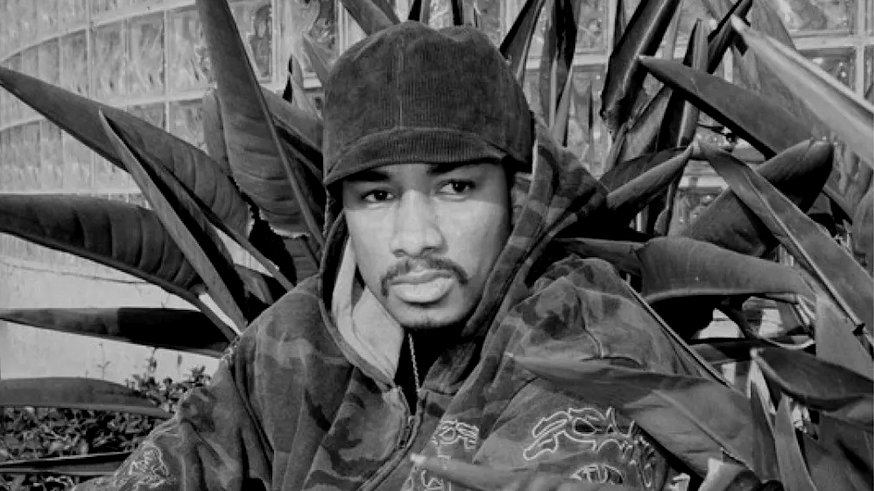
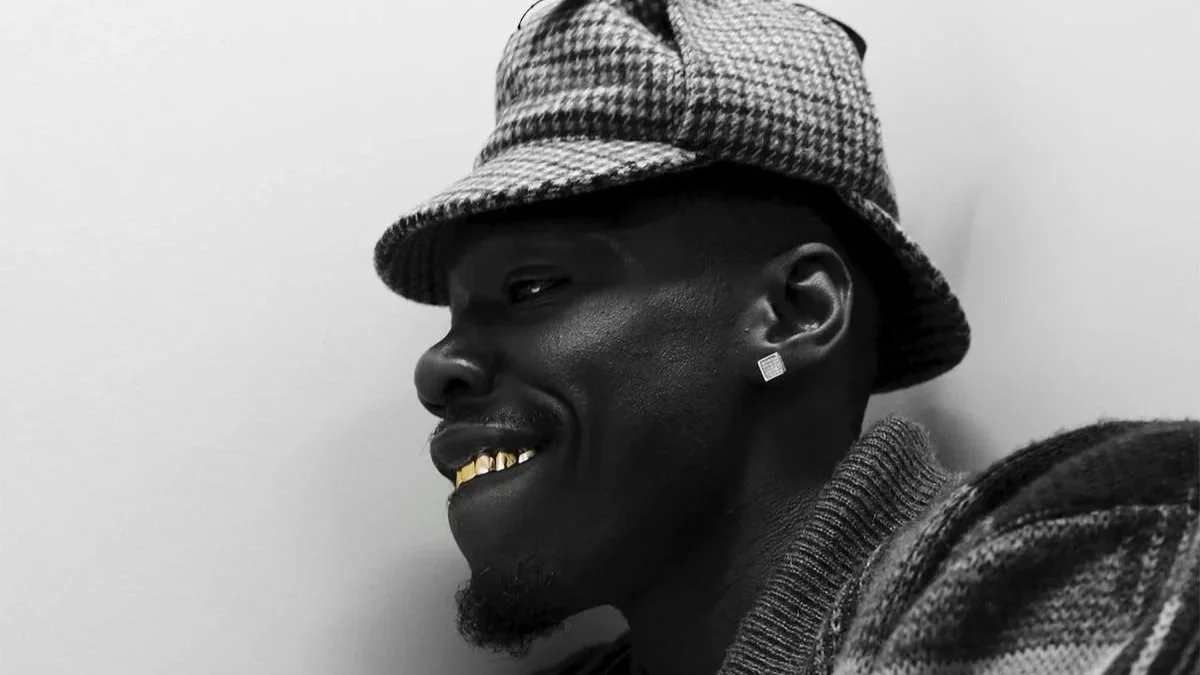
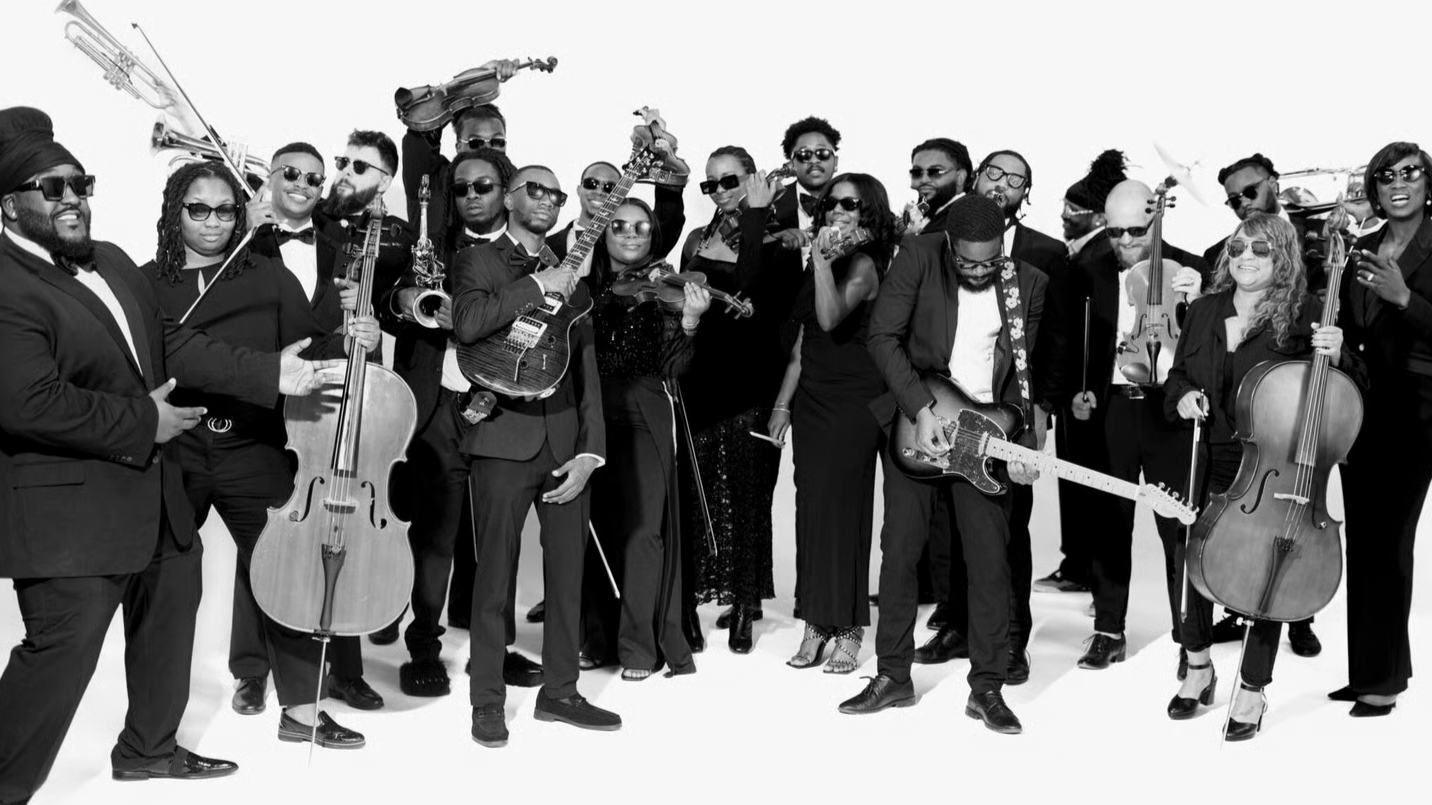
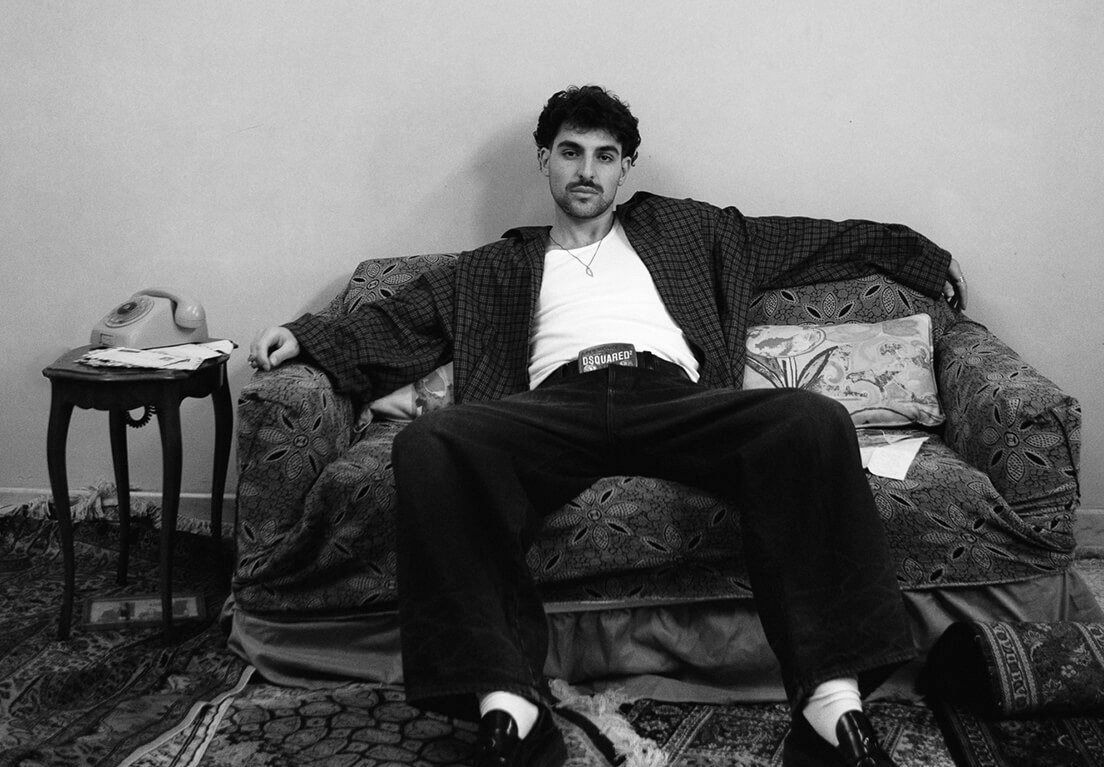
Founded in Dallas, Cure for Paranoia is led by songwriter and frontman Cameron McCloud, alongside Tomahawk Jonez and Jay Analog. Together, they have built a creative collective that feels as much like a movement as it does a band. Cameron's thoughtful writing sits at the center of the music, while the chemistry between the three members gives every performance a live, unpredictable energy.
If you have ever seen them perform, you understand immediately.
Cameron is not simply rapping. He is communicating. His presence pulls audiences into every lyric, every pause, every moment of reflection. The performances feel conversational one minute and explosive the next. It is the kind of stage presence that cannot be taught because it comes from complete belief in what you are saying.
That authenticity helped launch one of the group's defining moments.
In 2021, Cure for Paranoia won the NPR Tiny Desk Contest, earning national recognition for a performance that captured what makes them special. There were no elaborate visuals or production tricks. Just incredible musicianship, thoughtful songwriting, and a direct connection between the band and the audience. The performance introduced thousands of new listeners to a group that had been building something remarkable in Dallas for years.
Watching that Tiny Desk performance today, it still feels fresh. It reminds you that great music does not need spectacle. It needs honesty, and that honesty runs throughout their catalog.
Rather than chasing trends, the music unfolds naturally, allowing jazz textures, soulful harmonies, and intricate production to give Cameron's writing room to breathe. That patience has become one of Cure for Paranoia's defining strengths. In an era where songs are often designed for fifteen-second clips, they create records that reward full attention. The music asks listeners to stay present, think, and revisit songs long after the first listen. That approach feels increasingly rare. It also feels increasingly necessary.
The group's more recent releases continue expanding their sonic world. Every project feels like another chapter rather than a complete reinvention. They are refining their voice instead of abandoning it, proving that artistic growth does not always require chasing the next trend.
Part of what makes Cure for Paranoia resonate so deeply is that their music feels rooted in community.
Dallas has long produced artists who push hip-hop forward, but Cure for Paranoia brings something different to that legacy. They embrace collaboration over competition. Their music reflects the creative ecosystem around them, drawing on jazz musicians, spoken-word artists, producers, and visual artists to create experiences that feel larger than individual songs. That collaborative spirit mirrors where culture itself is heading.
Younger audiences are becoming less interested in rigid genre labels and more interested in authenticity. They want artists who stand for something. Artists who build community instead of simply building audiences. Cure for Paranoia understands that.
Their work belongs alongside artists like Saba, Little Simz, Mick Jenkins, and Noname. Not because they sound the same, but because they approach music with the same level of care, curiosity, and emotional intelligence.
They remind us that hip-hop has always been capable of holding difficult conversations alongside incredible production. It has always been a place for reflection as much as celebration. That is the tradition they continue to build upon.
As conversations around mental health, identity, spirituality, and social responsibility become increasingly central to younger generations, Cure for Paranoia feels less like an alternative act and more like a glimpse into where independent hip-hop is heading next.
So if you have not spent time with their music yet, let this be your signal.