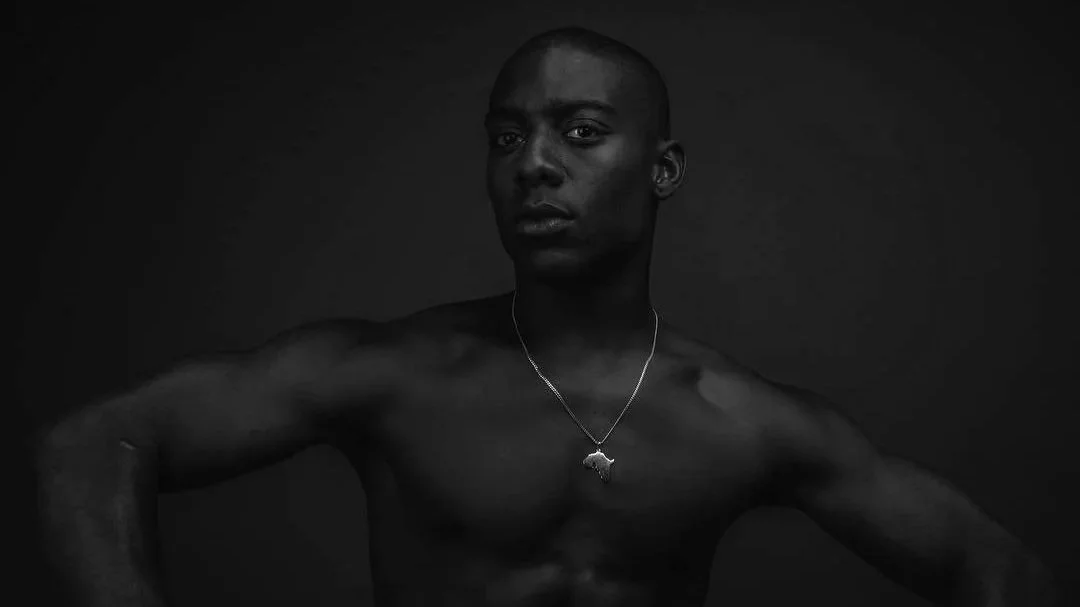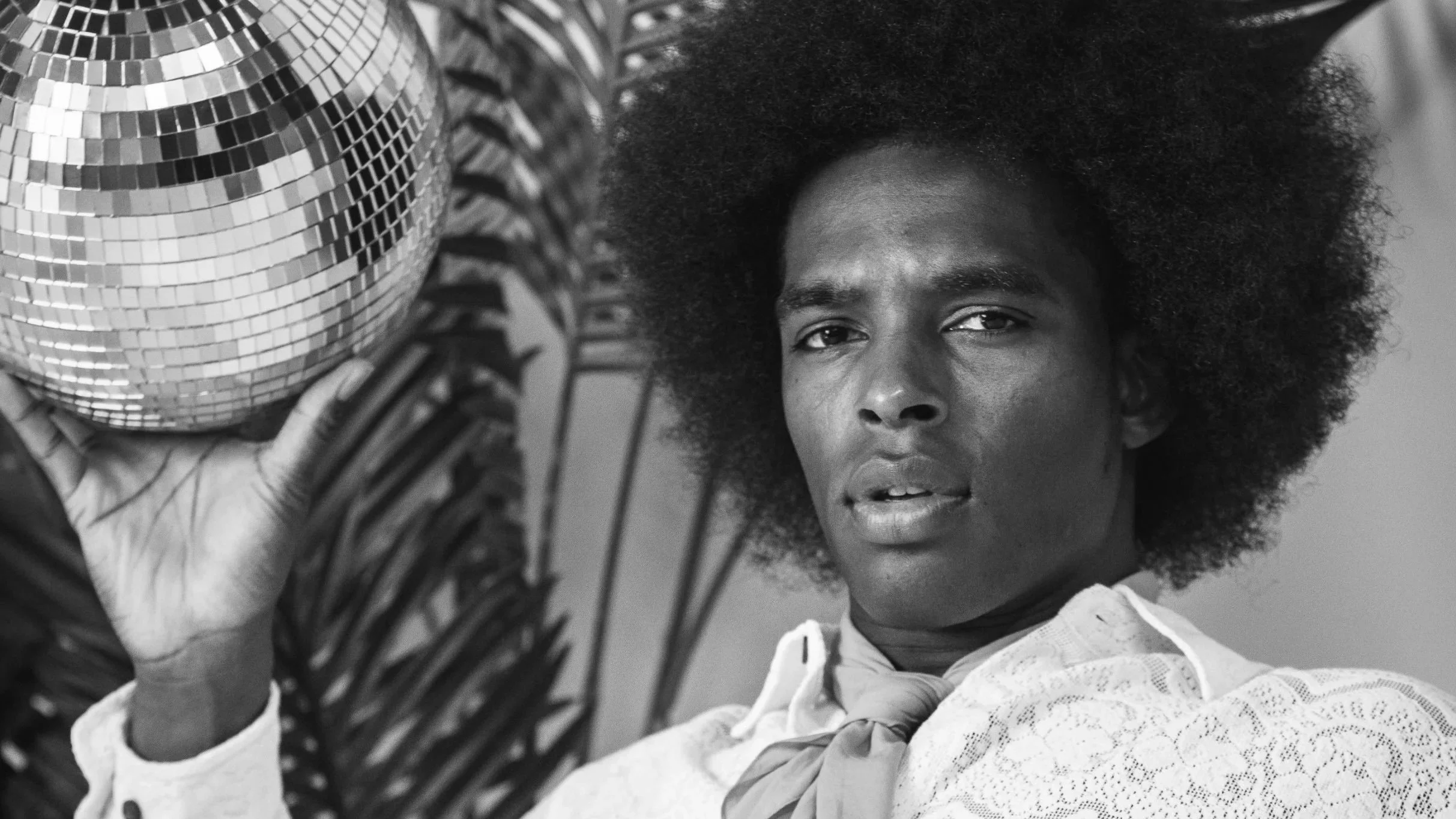
Tavares Strachan Is Expaninding The Story of Who Gets Remembered
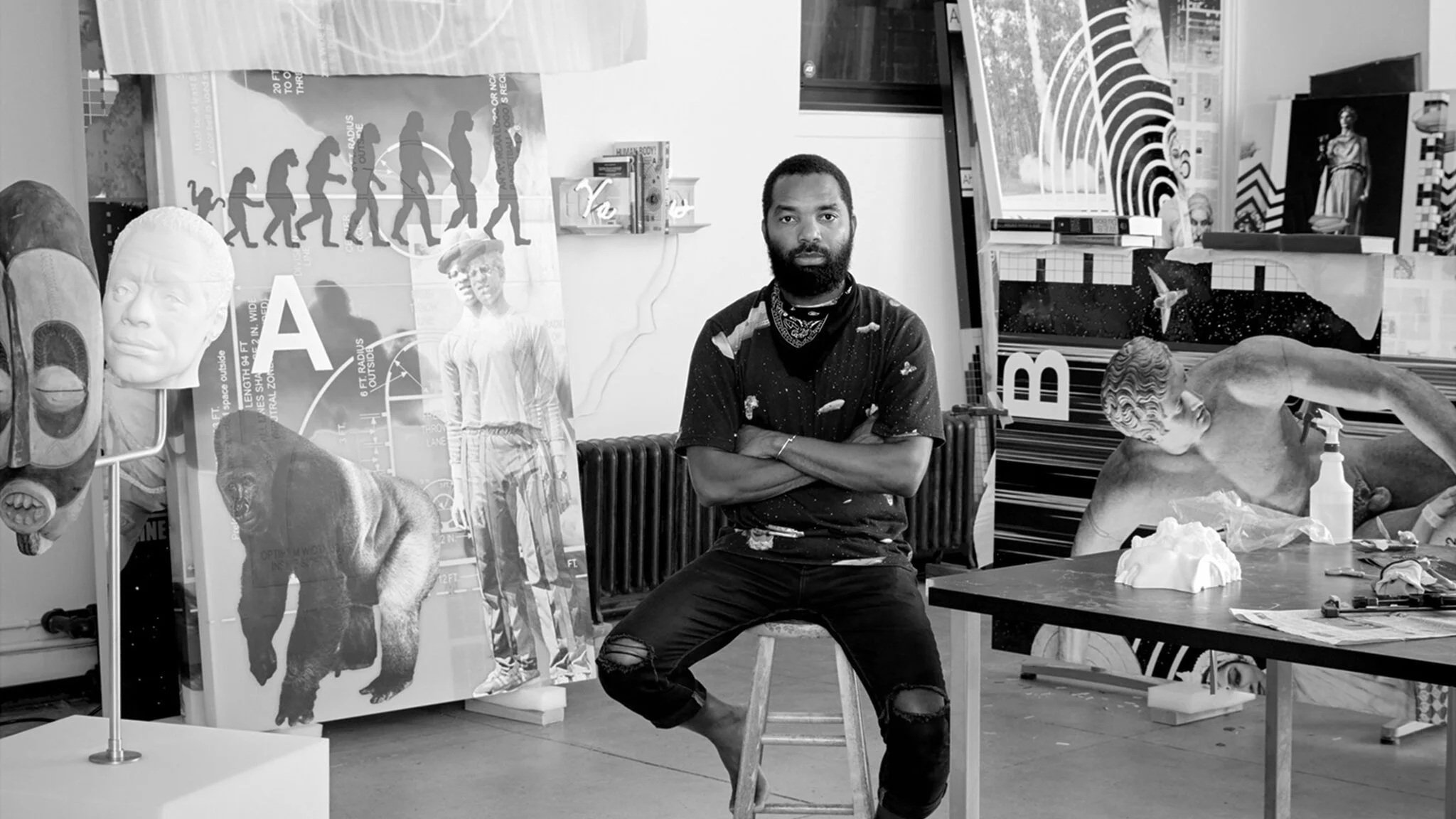
Some artists make objects. Tavares Strachan asks questions.
Questions about history. Questions about visibility. Questions about who gets celebrated, who gets erased, and who gets left out of the stories we tell ourselves about the world. His work sits at the intersection of art, science, history, exploration, and activism. It is ambitious, emotional, and difficult to fit inside a single definition. That is part of what makes it so powerful.
Born in Nassau, Bahamas, Strachan grew up far from the traditional centers of the contemporary art world. That perspective became one of his greatest strengths. Rather than accept the narratives he inherited, he began questioning them. Why are certain figures remembered while others disappear? Why do some stories become history while others become footnotes?
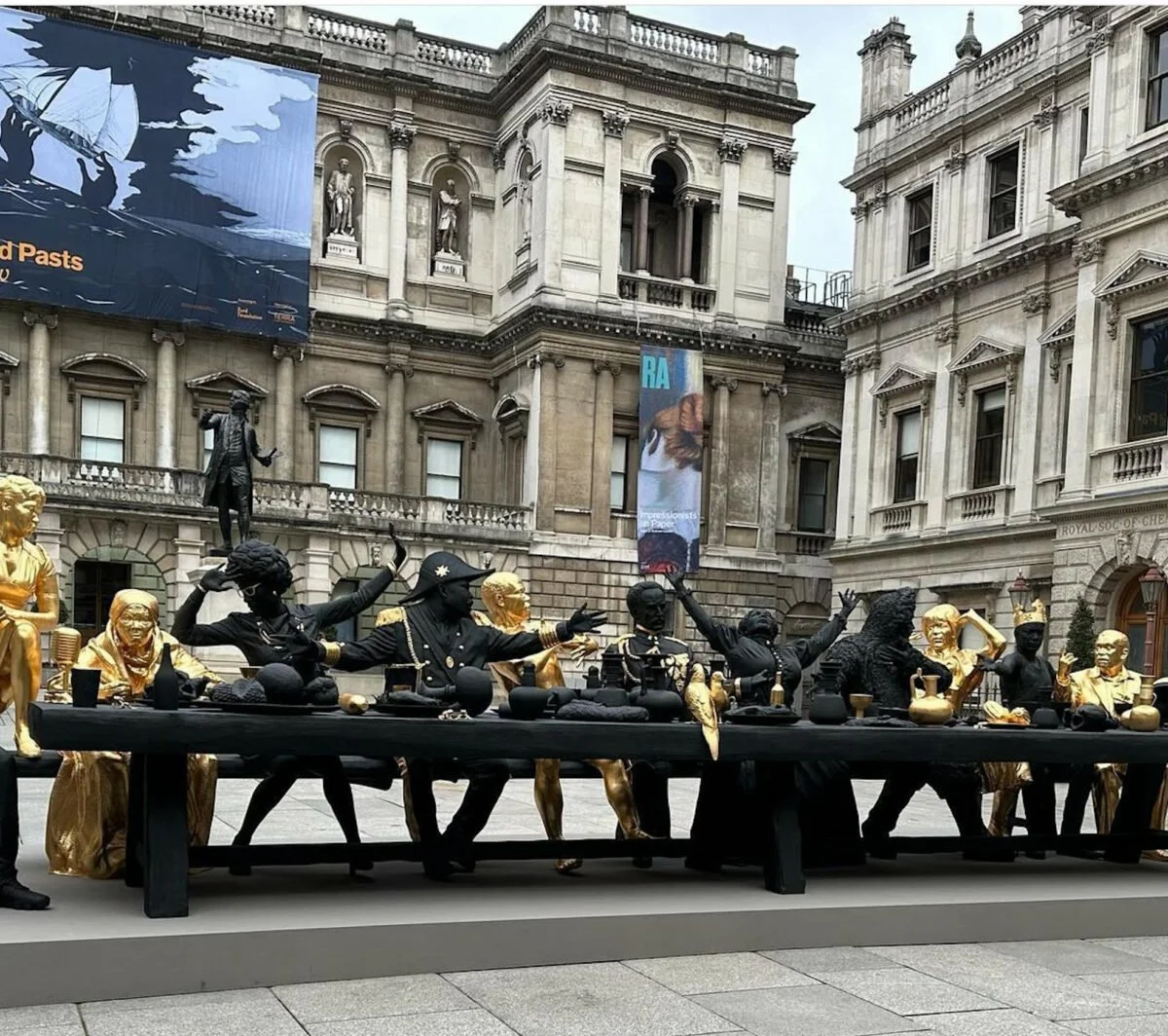
Tavares Strachan, The First Supper, 2021-23, Installation Photo © Maïa Morgensztern oumanota.journoportfolio.com
Those questions continue to drive his work today.
If you are unfamiliar with Strachan, one of the easiest ways to understand him is to think in terms of scale. Most artists work with a canvas, a sculpture, or a gallery. Strachan often works with entire systems of knowledge.
One of his earliest breakthrough projects involved traveling to the Arctic Circle to retrieve a block of ice, which he then transported back to the Bahamas. On paper, the project sounds almost absurd. In practice, it became a meditation on geography, climate, access, and the invisible connections between places that appear completely disconnected.
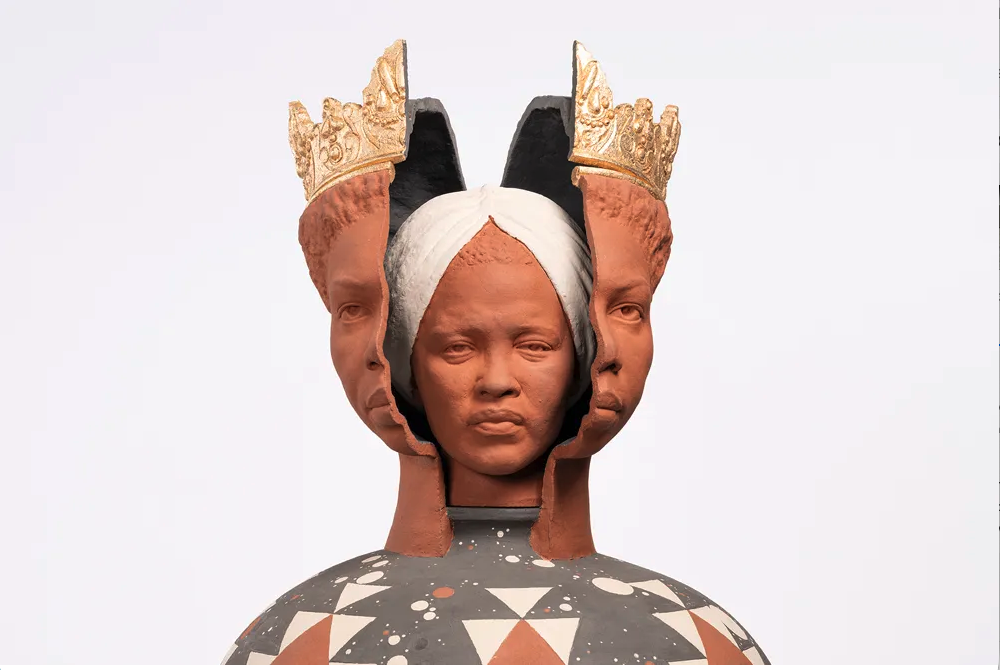
Inner Elder (Nina Simone as Queen of Sheba)
That willingness to think beyond traditional boundaries has shaped his career ever since.
Over the last decade, Strachan has built a body of work that spans sculpture, neon installations, performance, drawing, architecture, and large-scale public interventions. All of it circles back to a similar mission: making invisible stories visible.
That mission reached its most ambitious expression in The Encyclopedia of Invisibility, an ongoing project that documents overlooked individuals who have made significant contributions to history, science, culture, and society. It functions like an alternative history book, challenging the idea that traditional institutions get to decide whose stories matter.
And that idea feels incredibly relevant right now.
We live in an era when conversations about representation, historical memory, and cultural visibility are everywhere. From film and music to education and politics, people are asking who gets included in the narrative.
Tavares Strachan has been asking those questions for years.
His work feels particularly important because it does not stop at critique. It builds alternatives.
Instead of simply pointing out who has been excluded, he creates monuments, archives, and experiences that force audiences to confront their knowledge gaps.
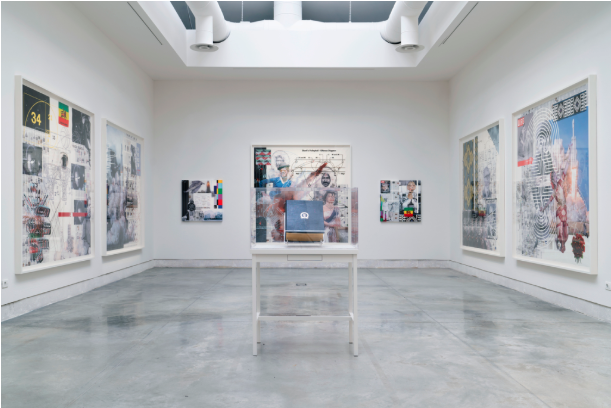
Tavares Strachan at 58th Venice Biennate (2019)
Recent exhibitions have continued to push those ideas forward. Large-scale installations featuring illuminated text, portraits of overlooked historical figures, and immersive environments have reinforced his reputation as one of the most intellectually ambitious artists working today. Despite the complexity of the ideas, the work never feels inaccessible.
That is one of Strachan's greatest strengths. The work invites curiosity. You do not need a PhD in art history to connect with it. You simply need a willingness to ask questions. Part of what makes his practice so exciting is how naturally it intersects with contemporary culture. Younger generations are increasingly interested in recovering lost histories, celebrating marginalized voices, and challenging inherited narratives. You see it in music, fashion, literature, and film.
Artists like Kendrick Lamar have spent years exploring questions around memory, identity, and cultural legacy through music. Filmmakers like Ava DuVernay and RaMell Ross have challenged traditional storytelling structures to create more expansive visions of history. Strachan works within that same broader cultural movement, using visual art as his language.
The result is work that feels both deeply personal and globally relevant.
His recent major exhibitions have further cemented his place as one of the most important voices in contemporary art. Museums and institutions around the world have embraced his work, but what makes his rise interesting is that he has never moved away from the core questions that first inspired him.
Who gets remembered?
Who gets erased?
Who defines history?
Those questions remain at the center of everything he creates.
And perhaps that is why his work resonates so strongly today. In a culture overwhelmed with information, Strachan reminds us that knowledge itself is not neutral. Every archive tells a story. Every museum makes choices. Every history book leaves something out. His art asks us to notice what is missing.
That is a powerful invitation.
So consider this your signal if you have not spent time with Tavares Strachan's work yet.