1300: No Language Barrier
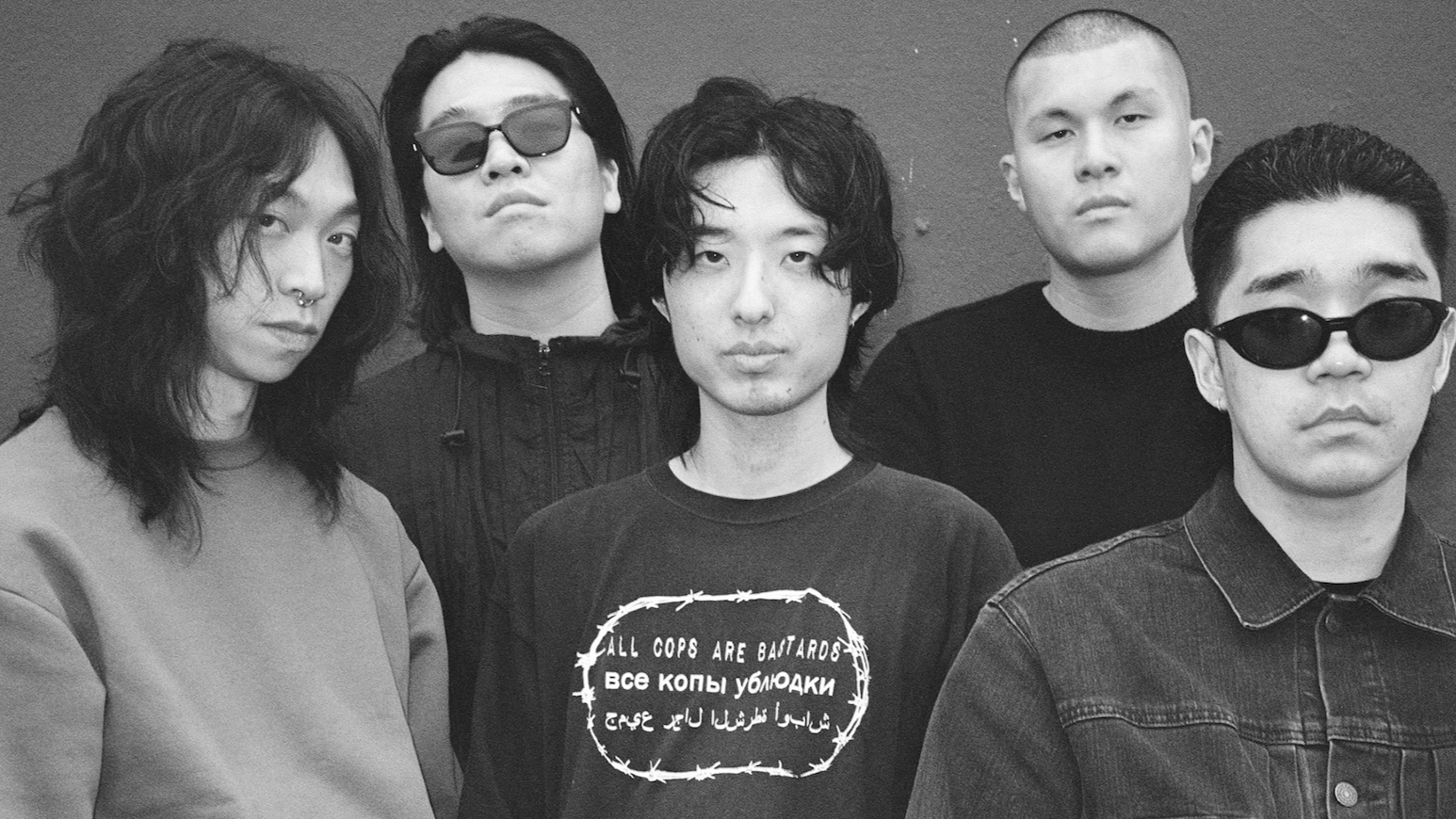
Listening to 1300, there is a moment when you realize language no longer matters. That is why 1300 works.
The Korean-Australian collective from Western Sydney has spent the last few years making some of the most restless, unpredictable hip-hop in Australia, and their sound jumps between Korean and English with the same ease as it moves through trap, electronic music, R&B, punk energy, and whatever strange idea happens to sound good in the room.
With their debut full-length album ILLSAMGONGGONG arriving in July 2026, 1300 feels less like an interesting underground discovery and more like a warning shot about where they are headed. So the rest of the world should start paying attention.
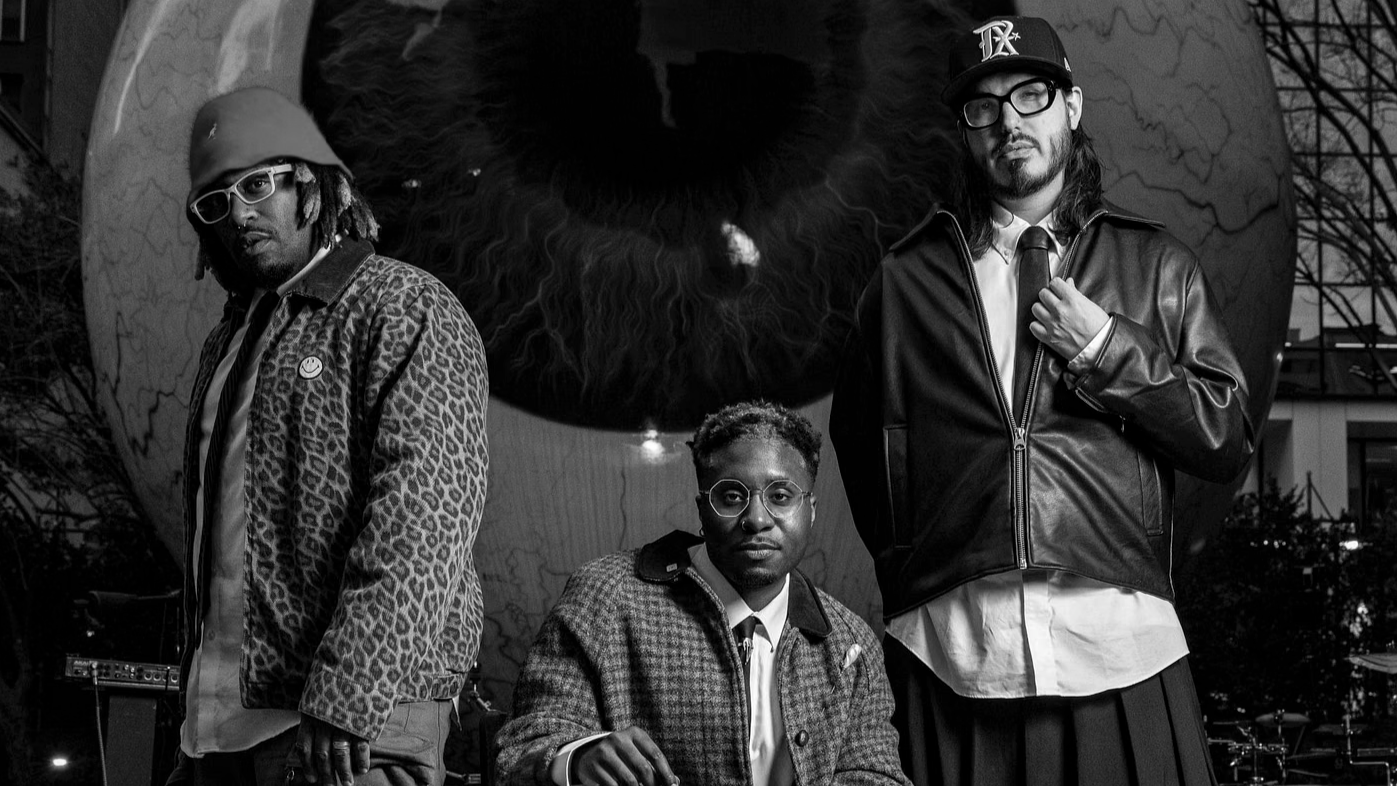
1300 is made up of rappers Rako, goyo, and DALI, alongside producers Nerdie and pokari. The group emerged from Sydney's Korean-Australian creative community around 2020 before properly announcing themselves with "Brr" in 2021. From the beginning, they sounded like five people who had absolutely no interest in asking permission.
That attitude remains their greatest strength. Plenty of artists describe themselves as genreless. Usually that means they added a guitar to an R&B song. 1300 actually sounds genreless, and that is the point.
Their music can be aggressive, hilarious, melodic, chaotic, beautiful, and occasionally ridiculous within the same few minutes. Instead of smoothing those contradictions out, they lean into them. That gives their records an unpredictability that feels increasingly valuable in a streaming economy where you can often guess what the second chorus is going to sound like before the first verse ends.
Their 2022 project Foreign Language made that philosophy impossible to ignore, showing how the group treats hip-hop less like a genre and more like a playground.
"Ralph" is a perfect example. The record shifts gears so aggressively that trying to explain it almost ruins the fun. Flows accelerate, production drops away, rhythms mutate, and suddenly the song is somewhere completely different from where it started.
Then there is "Rocksta," which captures the group's greatest weapon: momentum.
The rappers move between Korean and English without slowing down to make sure everyone understands. Goyo even plays with that tension directly, boasting in Korean about communicating with audiences who cannot speak Korean.
That is the joke, and it lands because the momentum never stops.
You understood the energy anyway.
It is tempting to frame 1300's bilingual approach as the most interesting thing about them, but that undersells what they are doing. Language matters, but only as part of the story. The bigger story is freedom. 1300 represents a generation that grew up without treating cultural influences like separate folders. There is no need to pick one. That makes them feel incredibly current.
The group's infamous triple j Like A Version performance of Psy's "Gangnam Style" captured this perfectly. It was funny. It was smart. Most importantly, it felt like 1300 because it captured their personality.
That personality is what separates them from the endless supply of technically competent artists fighting for attention online. 1300 understands that music needs character. And they have plenty.
Their videos feel connected to the same philosophy, with fashion, humor, movement, editing, and visual absurdity as extensions of the music. 1300 is building one.
The arrival of ILLSAMGONGGONG in 2026 feels like the clearest statement of that world yet, and the title matters. "1300" rendered through Korean pronunciation becomes "일삼공공," or ilsamgonggong. The album turns the group's identity back onto itself, celebrating the friendship and cultural collision that have always powered the project.
That sense of kinship is important because 1300 never feels assembled. They feel like friends. There is a difference, and you can hear it in the music.
You can hear people reacting to each other. Personalities interrupt one another. Production choices feel like someone suggested at 2 a.m. that probably should not have worked, then everyone decided to try it anyway. That looseness gives the music life. It also places 1300 within a much larger cultural shift.
For years, Asian artists entering Western music markets were often expected to explain themselves. Were they K-pop? Australian hip-hop? Korean hip-hop? Alternative music? 1300's answer seems to be: yes, and also, who cares? That may be their most important contribution. They are not making Korean music for Australian audiences or Australian music for Korean audiences. They are making 1300 music, and that distinction points to where culture is heading.
That distinction points to where culture is heading. A generation raised online does not experience geography the same way previous generations did. A kid in Sydney can discover Korean rap, Atlanta trap, London grime, Brazilian funk, Japanese jazz, and Baltimore club music before breakfast.
1300 sounds like what happens when all of that information stops being influence and becomes instinct.